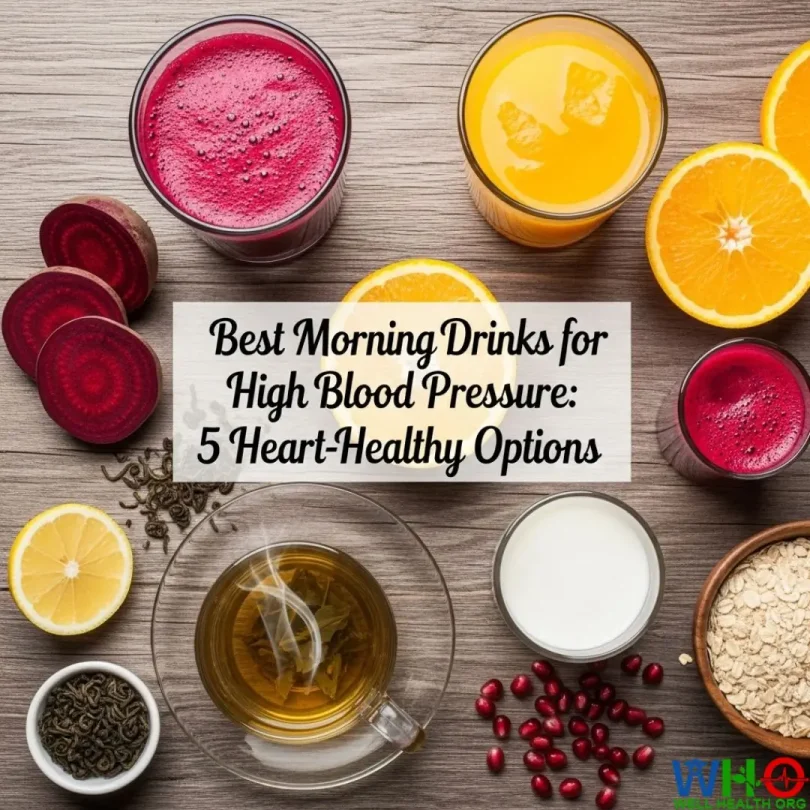
Morning Drinks That Naturally Help Lower High Blood Pressure
High blood pressure—also known as hypertension—isn’t just a number your doctor checks during routine visits. It’s one of the most common and dangerous health issues in modern society, affecting nearly one in every two American adults. Left unmanaged, it silently increases the risk of heart attack, stroke, kidney disease, and other serious complications.
- 1. Why Morning Drinks Matter for Blood Pressure Control
- 2. Water: The Ultimate Foundation for Heart Health
- How Water Impacts Blood Pressure
- How Much Water Should You Drink in the Morning?
- Expert Tip:
- 3. Beetroot Juice: A Natural Blood Pressure Powerhouse
- The Science Behind It
- How and When to Drink Beetroot Juice
- Extra Perk:
- 4. Pomegranate Juice: The Antioxidant Shield for Your Arteries
- How Pomegranate Juice Supports Healthy Blood Pressure
- Best Way to Enjoy It
- Fun Tip:
- 5. Tomato Juice: A Potassium- and Lycopene-Rich Morning Choice
- How Tomato Juice Helps Lower Blood Pressure
- How to Drink It
- Why It Works Well in the Morning
- 6. Tea: A Time-Tested Ally for Heart and Blood Vessel Health
- Green Tea: The Gentle Morning Energizer
- Black Tea: The Bold Antioxidant Option
- Best Ways to Enjoy Tea for Blood Pressure Health
- Bonus: Hibiscus Tea
- 7. Morning Drinks to Limit or Avoid
- 1. Sugary Beverages
- 2. Excessive Coffee
- 3. Alcohol
- 8. Timing and Consistency: Getting the Most Out of Your Morning Routine
- Consistency Is Key
- 9. Lifestyle Strategies to Support Blood Pressure Management
- Regular Physical Activity
- Eat a Heart-Healthy Diet
- Key Elements of the DASH Diet:
- Manage Stress and Improve Sleep
- Maintain a Healthy Weight
- 10. When to Seek Medical Attention
- When to Contact a Doctor
- Emergency Situations
- 11. Morning Routine Blueprint for Better Heart Health
- 12. Expert Insights: What Cardiologists and Nutritionists Say
- 13. Final Thoughts: Start Your Day with Heart-Healthy Choices
While medications are often necessary to bring blood pressure under control, there’s a lot you can do naturally to support healthy numbers—and it all can start first thing in the morning.
Believe it or not, what you drink after waking up can make a measurable difference in your cardiovascular health. Morning is when blood pressure tends to spike naturally due to hormonal shifts (especially an increase in cortisol and adrenaline), which help the body prepare for the day. For individuals with hypertension, this “morning surge” can be especially risky. Choosing the right beverage during this time can help stabilize blood pressure, support circulation, and nourish your heart in a gentle yet powerful way.
In this guide, we’ll explore the best morning drinks for high blood pressure, what makes them effective, when to consume them, and additional lifestyle habits that amplify their benefits. Whether you’re newly diagnosed or simply trying to protect your heart health, these scientifically backed options can help you start each day on a stronger, healthier note.
1. Why Morning Drinks Matter for Blood Pressure Control
Blood pressure follows a natural daily rhythm known as circadian variation. For most people, readings are lowest at night during sleep and rise sharply upon waking. This spike—often within the first few hours of the morning—is completely normal, but in those with hypertension, it can push numbers dangerously high.
This is why your first beverage of the day isn’t just about hydration or energy—it’s an opportunity to counterbalance that natural rise and support smoother circulation throughout the day.
Here’s why your morning drink choice matters more than you think:
- Hydration and Blood Volume Regulation: When you wake up, your body is mildly dehydrated after hours without water. Even slight dehydration can cause your blood vessels to narrow, increasing resistance and raising blood pressure.
- Nutrients That Relax Blood Vessels: Certain beverages contain natural compounds—like nitrates, potassium, polyphenols, and antioxidants—that promote vasodilation (relaxation and widening of blood vessels), leading to lower pressure.
- Reducing Inflammation and Oxidative Stress: Chronic inflammation damages blood vessel walls, making them stiff and less responsive. Drinks rich in antioxidants help combat this process.
So, before you reach for coffee or sweetened juice, consider choosing a drink that gives your cardiovascular system the morning support it deserves.
2. Water: The Ultimate Foundation for Heart Health
When it comes to managing blood pressure, water should be your number-one morning beverage. Simple, pure, and accessible—it’s the foundation for healthy circulation and overall well-being.
How Water Impacts Blood Pressure
Hydration directly affects blood viscosity (thickness) and vascular resistance. When you’re dehydrated, the body compensates by retaining sodium and constricting blood vessels, which naturally raises blood pressure. Rehydrating helps the heart pump blood more efficiently and allows blood vessels to remain flexible.
In fact, studies show that adequate daily hydration can reduce systolic blood pressure in individuals with mild hypertension. Even a small amount of water after waking can improve blood flow and prevent the morning surge many people experience.
How Much Water Should You Drink in the Morning?
Aim for 8 to 10 ounces (about one glass) of room-temperature water right after waking. Some people find adding a splash of lemon enhances the flavor and provides a small dose of vitamin C and antioxidants, both beneficial for vascular health.
If you struggle with morning sluggishness, try warm water instead of cold—it can gently stimulate digestion and promote circulation without the jitters caffeine might bring.
Expert Tip:
Keep a glass or bottle of water on your nightstand or kitchen counter so you can drink it before your morning routine. This small ritual can set the stage for better hydration and more stable blood pressure throughout the day.
3. Beetroot Juice: A Natural Blood Pressure Powerhouse
If there’s one drink that has earned a top spot in hypertension research, it’s beetroot juice. Often hailed as “nature’s nitrate supplement,” beetroot juice is loaded with dietary nitrates, compounds that your body converts into nitric oxide (NO)—a molecule that signals your blood vessels to relax and widen.
The Science Behind It
When nitric oxide levels rise, blood vessel walls dilate, blood flows more freely, and pressure against artery walls decreases. This natural mechanism has been proven in numerous studies to help lower both systolic (top number) and diastolic (bottom number) blood pressure.
For instance:
- A 2024 clinical trial found that women with high blood pressure who drank beetroot juice daily before exercise experienced significant reductions in systolic blood pressure and improved blood vessel flexibility within just seven days.
- A 2022 meta-analysis of seven randomized controlled trials revealed an average 4.95 mm Hg decrease in systolic blood pressure among people consuming beetroot juice compared to a placebo.
These results may sound small, but in public health terms, they’re huge—a sustained 5 mm Hg reduction can cut the risk of heart attack or stroke by nearly 10–15%.
How and When to Drink Beetroot Juice
For best results:
- Timing: Drink beetroot juice in the morning before breakfast on an empty stomach to maximize nitrate absorption.
- Quantity: About 250–300 ml (8–10 oz) per serving is ideal.
- Type: Always choose 100% pure beetroot juice with no added sugar or sodium.
If the earthy flavor isn’t your favorite, mix it with a splash of apple, carrot, or orange juice to improve taste without diluting its power.
Extra Perk:
Beetroot juice also supports athletic performance by enhancing oxygen delivery to muscles. So, if you work out in the morning, this drink can double as a pre-exercise energy booster that benefits both your fitness and heart.
4. Pomegranate Juice: The Antioxidant Shield for Your Arteries
Few drinks rival pomegranate juice when it comes to antioxidant concentration and cardiovascular benefits. This ruby-red elixir contains powerful polyphenols, tannins, and anthocyanins that protect the lining of your blood vessels (the endothelium) from oxidative stress—a key factor in hypertension and atherosclerosis.
How Pomegranate Juice Supports Healthy Blood Pressure
Pomegranate’s heart-protective effects go beyond general antioxidant action. Research suggests it helps:
- Enhance nitric oxide production, promoting blood vessel dilation.
- Prevent plaque buildup in arteries by reducing LDL oxidation.
- Improve blood lipid profiles and overall heart function.
A 2024 meta-analysis of 22 clinical trials confirmed that regular pomegranate juice consumption reduced systolic blood pressure by an average of 7.87 mm Hg and diastolic pressure by 3.23 mm Hg—especially among participants with baseline systolic readings above 130 mm Hg.
That’s a clinically meaningful improvement for a simple daily drink.
Best Way to Enjoy It
- Choose unsweetened, 100% pomegranate juice to avoid unnecessary sugar spikes, which can counteract heart health benefits.
- Drink 4–6 ounces (about half a cup) in the morning with or just after breakfast.
- Alternatively, dilute it with water or sparkling water if you prefer a lighter flavor.
Fun Tip:
Add a few pomegranate arils to your morning oatmeal or yogurt for extra fiber and a nutrient boost. It’s a simple way to combine flavor with function while supporting heart health.
5. Tomato Juice: A Potassium- and Lycopene-Rich Morning Choice
Tomato juice might not be the first thing that comes to mind when you think of a morning drink, but for people managing hypertension, it’s an excellent option. This savory beverage provides a potent combination of potassium, lycopene, and vitamin C—all of which have proven cardiovascular benefits.
How Tomato Juice Helps Lower Blood Pressure
Tomatoes are naturally high in potassium, a mineral that plays a crucial role in maintaining healthy blood pressure. Potassium helps balance sodium levels in the body, promoting the excretion of excess salt through urine and reducing fluid retention. High sodium intake is one of the biggest contributors to elevated blood pressure, and potassium helps counteract this effect.
In addition, tomato juice contains lycopene, a powerful antioxidant that protects cells from oxidative damage and helps keep arteries flexible. Lycopene has also been linked to improved cholesterol levels and reduced inflammation—both of which benefit overall heart function.
A 2024 longitudinal study tracking older adults found that consistent tomato consumption was associated with a lower risk of developing hypertension and slightly reduced blood pressure in individuals with stage 1 hypertension. These findings highlight the potential of tomato-based products as part of a heart-healthy diet.
How to Drink It
- Choose unsalted or low-sodium tomato juice—this is critical. Many commercial brands add significant amounts of salt, which can negate the benefits.
- A serving of 4–8 ounces in the morning is sufficient to deliver key nutrients without excess calories.
- You can also make your own fresh version by blending ripe tomatoes with a touch of celery, cucumber, or lemon juice for extra hydration and flavor.
Why It Works Well in the Morning
Drinking tomato juice early in the day replenishes potassium levels after sleep and prepares your body for better electrolyte balance throughout the day. It’s also filling, making it an ideal complement to a light breakfast or a post-workout drink.
6. Tea: A Time-Tested Ally for Heart and Blood Vessel Health
Few beverages have been studied as extensively as tea when it comes to cardiovascular benefits. Whether green, black, or herbal, tea contains a variety of bioactive compounds that promote blood vessel flexibility, reduce oxidative stress, and support healthy circulation.
Green Tea: The Gentle Morning Energizer
Green tea contains catechins, powerful plant antioxidants that enhance endothelial function (the ability of blood vessels to expand and contract). This effect helps reduce both systolic and diastolic blood pressure levels over time.
A 2020 review of clinical studies found that regular green tea consumption lowered systolic blood pressure by an average of 2–4 mm Hg and diastolic blood pressure by 1–2 mm Hg. While these changes may seem small, they add up when combined with a healthy diet and lifestyle.
Unlike coffee, green tea offers a mild caffeine boost—about 25–50 mg per cup—enough to promote alertness without triggering spikes in blood pressure or heart rate. This makes it an ideal choice for individuals sensitive to caffeine.
Black Tea: The Bold Antioxidant Option
Black tea also offers notable cardiovascular benefits. It contains theaflavins and thearubigins, antioxidants unique to black tea that support vascular health and reduce oxidative stress.
A 2023 cohort study found that people who drank black tea moderately (several times a week for over 15 years) had lower systolic blood pressure and improved overall cardiovascular outcomes compared to non-tea drinkers.
Best Ways to Enjoy Tea for Blood Pressure Health
- Brew tea for 3–5 minutes to maximize polyphenol content.
- Avoid adding sugar; if desired, use a small amount of honey or lemon for flavor.
- For those sensitive to caffeine, opt for decaffeinated green or black tea, or try herbal teas like hibiscus, which has its own blood pressure–lowering properties.
Bonus: Hibiscus Tea
Hibiscus tea deserves special mention. It’s naturally caffeine-free and rich in anthocyanins, which have vasodilatory effects similar to nitrates in beetroot juice. Multiple studies have shown hibiscus tea can reduce systolic blood pressure by up to 7 mm Hg with consistent use. Enjoying a warm cup in the morning can be both soothing and heart-protective.
7. Morning Drinks to Limit or Avoid
Just as some drinks support healthy blood pressure, others can make it worse—especially when consumed first thing in the morning.
1. Sugary Beverages
Sugar-sweetened drinks like soda, flavored coffee creamers, energy drinks, and fruit juices with added sugar can raise blood sugar levels, promote weight gain, and increase inflammation—all of which contribute to hypertension.
According to the American Heart Association (AHA), people with high blood pressure should limit sugar-sweetened beverage intake to no more than one small serving per week, or avoid them altogether.
Better alternative: Choose naturally flavored water, herbal tea, or unsweetened juices instead.
2. Excessive Coffee
Coffee is one of the most popular morning beverages worldwide, but it can have a dual effect on blood pressure. While moderate intake (one cup per day) may not cause harm, excessive consumption—especially in people with existing hypertension—can raise blood pressure temporarily due to caffeine’s stimulating effect.
A 2024 analysis published in Hypertension Journal found that individuals with poorly controlled high blood pressure who drank more than two cups of coffee daily had double the risk of cardiovascular events, including stroke and heart attack.
Tip: If you love coffee, limit intake to one cup in the morning, choose a lighter roast (which has slightly less caffeine), and monitor your blood pressure response.
3. Alcohol
Although not a typical morning beverage, it’s worth mentioning that alcohol—even in small amounts—can interfere with blood pressure control. Chronic consumption raises both systolic and diastolic blood pressure, damages the heart muscle, and increases the risk of arrhythmias.
The AHA recommends no more than one drink per day for women and two for men, though avoiding alcohol entirely provides the most consistent cardiovascular benefits.
8. Timing and Consistency: Getting the Most Out of Your Morning Routine
Timing can influence how effectively these drinks support blood pressure control. Since blood pressure tends to peak between 6:00 a.m. and 10:00 a.m., consuming a heart-healthy beverage during this window can help smooth out the morning surge.
Here’s a simple guide:
- Beetroot Juice: Best consumed on an empty stomach about 30 minutes before breakfast.
- Pomegranate or Tomato Juice: Ideal with breakfast to complement food and aid nutrient absorption.
- Green or Black Tea: Great with or after breakfast for a gentle caffeine lift without overwhelming the system.
- Water: Drink immediately upon waking to jumpstart hydration and help regulate morning blood pressure.
Consistency Is Key
It’s not about drinking beet juice once and expecting overnight results. The blood pressure–lowering effects of these beverages build gradually with regular consumption. Incorporate them into your daily morning routine and combine with lifestyle strategies like exercise, a balanced diet, and stress management for long-term benefits.
9. Lifestyle Strategies to Support Blood Pressure Management
While choosing the right morning drink is an easy and effective way to start improving your cardiovascular health, long-term control of high blood pressure requires a comprehensive lifestyle approach. The best results come when these dietary habits are combined with consistent movement, stress management, and healthy daily routines.
Regular Physical Activity
Exercise remains one of the most powerful natural tools for controlling hypertension. Physical activity helps the heart become stronger and more efficient, enabling it to pump blood with less effort and thereby lowering pressure on arterial walls.
The American College of Cardiology (ACC) recommends:
- 150 minutes of moderate-intensity exercise per week, such as brisk walking, swimming, or cycling.
- 2 or more days per week of strength training to build muscle mass, which supports metabolism and circulation.
Even small changes—like walking after meals, taking the stairs, or doing short stretching routines throughout the day—can have measurable effects on blood pressure over time.
Eat a Heart-Healthy Diet
The DASH diet (Dietary Approaches to Stop Hypertension) is widely recognized as the gold standard for managing high blood pressure. It emphasizes nutrient-dense foods that help balance electrolytes and improve vascular function.
Key Elements of the DASH Diet:
- Fruits and vegetables: At least 4–5 servings each per day for fiber, potassium, and antioxidants.
- Whole grains: Choose oats, quinoa, brown rice, or whole wheat bread instead of refined grains.
- Lean proteins: Include fish, poultry, and plant-based sources like beans, tofu, or lentils.
- Low-fat dairy: Provides calcium and vitamin D, which support vascular health.
- Reduced sodium: Limit intake to less than 1,500–2,300 mg of sodium per day. Avoid processed and packaged foods, which are often the main sources of hidden salt.
These dietary principles, combined with heart-healthy morning drinks such as beetroot juice or green tea, can enhance nitric oxide levels, improve blood vessel elasticity, and lower systolic blood pressure by 5–10 mm Hg in many people.
Manage Stress and Improve Sleep
Chronic stress activates the body’s “fight or flight” response, triggering a rise in cortisol and adrenaline levels—both of which can increase blood pressure. Incorporating daily relaxation practices can make a significant difference.
Effective stress management techniques include:
- Meditation or mindfulness breathing
- Gentle yoga or tai chi
- Spending time in nature
- Limiting screen time before bed
- Prioritizing 7–8 hours of quality sleep per night
A consistent bedtime routine, reduced caffeine intake after noon, and creating a calm sleep environment can improve rest and indirectly support healthy blood pressure regulation.
Maintain a Healthy Weight
Even modest weight loss can have a profound effect on blood pressure. According to the National Heart, Lung, and Blood Institute (NHLBI), losing just 5–10 pounds can reduce systolic pressure by 5–20 points in individuals with hypertension.
Replacing high-calorie morning drinks (like sweetened coffee or juice) with low-calorie, heart-healthy options such as green tea or beetroot juice is an easy first step toward this goal.
10. When to Seek Medical Attention
High blood pressure is often called the “silent killer” because it rarely causes obvious symptoms until it reaches dangerous levels or leads to complications. Regular monitoring—either at home with a validated digital monitor or through regular checkups—is essential.
When to Contact a Doctor
You should consult your healthcare provider if:
- Your average home readings are consistently above 130/80 mm Hg (the threshold for hypertension).
- You experience symptoms such as frequent headaches, dizziness, blurred vision, or chest discomfort.
- You notice significant fluctuations in blood pressure despite lifestyle changes.
Emergency Situations
A hypertensive crisis is a medical emergency that requires immediate attention. Seek emergency care if your blood pressure reading is 180/120 mm Hg or higher, especially if you have symptoms such as:
- Chest pain or shortness of breath
- Severe headache
- Weakness or numbness
- Vision changes
- Difficulty speaking
- Nausea or vomiting
Never attempt to lower dangerously high blood pressure on your own. Emergency care providers can safely stabilize your condition and determine the cause.
11. Morning Routine Blueprint for Better Heart Health
Creating a structured, heart-friendly morning routine can transform the way your body regulates blood pressure throughout the day. Here’s a simple example you can adapt:
| Time | Activity | Purpose |
|---|---|---|
| 6:30 a.m. | Drink a full glass (8–10 oz) of water upon waking | Rehydrates the body and supports kidney function |
| 7:00 a.m. | 10–15 minutes of light stretching or walking | Activates the calf muscle pump and promotes circulation |
| 7:30 a.m. | Enjoy a glass of beetroot juice or unsweetened pomegranate juice | Delivers nitrates and antioxidants to support vascular health |
| 8:00 a.m. | Eat a DASH-friendly breakfast (oatmeal, berries, yogurt, or eggs) | Stabilizes blood sugar and provides sustained energy |
| 8:30 a.m. | Sip on green or black tea | Enhances focus and supports long-term blood pressure control |
| Mid-morning | Practice 5 minutes of deep breathing or mindfulness | Reduces stress-induced blood pressure fluctuations |
Consistency with this type of routine helps maintain stable energy levels, balanced hydration, and smooth blood vessel function throughout the day.
12. Expert Insights: What Cardiologists and Nutritionists Say
Cardiologists emphasize that while these morning drinks are not replacements for medication, they serve as powerful complementary tools for blood pressure control.
Dr. Michael Stone, MD, FACC, a preventive cardiologist, notes:
“Dietary nitrates and antioxidants found in drinks like beetroot or pomegranate juice can enhance endothelial function and improve nitric oxide availability. For many patients, integrating these beverages into a balanced routine can support blood pressure management naturally.”
Similarly, nutrition experts highlight that the benefits of these drinks extend beyond blood pressure alone—they also support weight control, reduce oxidative stress, and improve metabolic health.
Registered Dietitian Sarah Greene, RD, adds:
“When people replace high-sugar coffee drinks or processed juices with natural, nitrate-rich alternatives, they often experience better energy levels and more consistent blood pressure readings within weeks.”
13. Final Thoughts: Start Your Day with Heart-Healthy Choices
The journey to managing high blood pressure doesn’t have to be overwhelming. Every small step—starting with what you drink in the morning—can create lasting improvements in your cardiovascular health.
By replacing high-sodium or high-sugar beverages with hydrating, nutrient-dense options like:
- Water
- Beetroot juice
- Pomegranate juice
- Unsalted tomato juice
- Green or black tea
—you are actively supporting better circulation, vascular flexibility, and overall heart function.
The key is consistency. Make these choices part of your daily morning ritual, pair them with a balanced diet and regular exercise, and work closely with your healthcare provider to track your progress. Over time, these small habits add up—helping you lower blood pressure naturally, reduce medication dependence, and protect your heart for years to come.
Medically Reviewed by Prof. Dr. Akram
Orthopedic Surgeon | Professor | Senior Medical Specialist
Prof. Dr. Akram is a distinguished surgeon with over 15 years of clinical expertise. Having served as a lead Emergency Specialist at Complex International Government Hospital, he currently leads a specialized team of 13 medical professionals at his private hospital. As a Professor at top medical universities, he ensures that every article on WellHealthOrg.com meets rigorous clinical standards.
Medical Disclaimer:
The information provided is for educational purposes only and is not a substitute for professional medical advice, diagnosis, or treatment. Always consult your physician for any medical concerns.
Our content is rigorously fact-checked by our 13-member Editorial Team under the clinical supervision of Prof. Dr. Akram.