
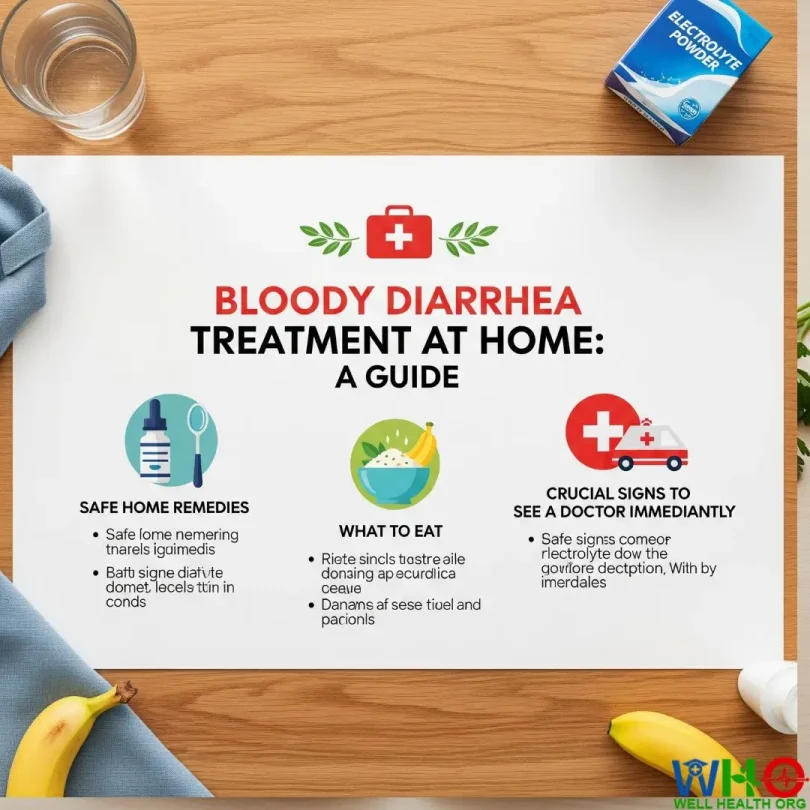
Introduction: Understanding the Seriousness of Bloody Diarrhea
Seeing blood in your stool can be one of the most unsettling health experiences. Even a small amount can cause panic — and rightly so, because bloody diarrhea isn’t a condition to take lightly. It’s your body’s way of signaling that something is seriously wrong in your digestive system.
Bloody diarrhea, also known as dysentery, refers to diarrhea that contains visible traces of blood or mucus. It’s not a disease by itself, but a symptom that indicates underlying irritation, inflammation, or infection in your intestines. Depending on the cause, the blood might appear bright red (indicating bleeding in the lower intestines or rectum) or dark and tarry (suggesting bleeding higher up in the digestive tract).
Although many people are tempted to wait and see if the problem goes away on its own, delaying treatment can be dangerous. Dehydration, infection, and blood loss can worsen rapidly, especially in children, older adults, and those with weakened immune systems.
That said, not every case of bloody diarrhea requires a hospital visit right away. Some mild infections or food-related irritations can improve with proper home care, hydration, and diet. The key lies in understanding when it’s safe to manage symptoms at home — and when it’s time to call a doctor.
This comprehensive guide walks you through the essential steps: how to care for yourself safely at home, what to eat and drink, natural remedies that can help soothe your digestive system, and the warning signs that should never be ignored.
What Bloody Diarrhea Means for Your Health
Bloody diarrhea is often a sign that the lining of your intestines is inflamed, ulcerated, or bleeding. This can result from an infection, chronic condition, or even irritation caused by certain foods or medications. It’s important to recognize that the presence of blood in your stool is never “normal.”
In some cases, the cause may be relatively minor — such as food poisoning from contaminated food or water — which typically resolves in a few days with rest and hydration. However, in other cases, it can point to more serious conditions like ulcerative colitis, Crohn’s disease, or bacterial dysentery caused by pathogens such as E. coli or Shigella.
Ignoring these symptoms can lead to complications such as severe dehydration, electrolyte imbalance, or even intestinal damage. That’s why managing bloody diarrhea properly — whether at home or with medical help — is crucial.
Even if you suspect it’s a mild infection, treat your body gently. Rest, hydration, and nutrition are your best allies during recovery.
When to Seek Urgent Medical Attention
Before you even begin home treatment, it’s important to evaluate the severity of your condition. You should seek immediate medical attention if you experience any of the following warning signs:
- Continuous or heavy bleeding: If you notice bright red or dark tarry blood in multiple bowel movements.
- Severe abdominal pain or cramping: Persistent pain may indicate inflammation or infection that requires antibiotics.
- High fever (over 101°F / 38.3°C): Suggests bacterial or viral infection that needs treatment.
- Signs of dehydration: Such as dizziness, dry mouth, sunken eyes, dark urine, or extreme fatigue.
- Prolonged symptoms: If diarrhea lasts for more than 48 hours without improvement.
- Vomiting or inability to keep fluids down.
These symptoms may indicate serious underlying issues like intestinal bleeding, bacterial infection, or inflammatory bowel disease (IBD). While home remedies can provide comfort, they are not a replacement for medical care when such red flags appear.
For infants, the elderly, or those with existing health conditions, do not delay professional help at all — dehydration and infection can progress rapidly in these groups.
Common Causes of Bloody Diarrhea
Bloody diarrhea can occur for many reasons, ranging from infections to chronic digestive conditions. Identifying the root cause helps determine whether home care is appropriate or medical treatment is necessary. Below are some of the most common causes:
Infections and Food Poisoning
One of the leading causes of bloody diarrhea is bacterial or parasitic infection, often from consuming contaminated food or water. Some of the main culprits include:
- E. coli – Commonly linked to undercooked meat or unpasteurized milk. Some strains release toxins that damage the intestinal lining.
- Shigella – Highly contagious and usually spreads through poor hygiene or contaminated food.
- Salmonella – Found in raw eggs, poultry, or unwashed produce.
- Campylobacter – A common foodborne pathogen found in undercooked chicken.
- Amoebiasis (Entamoeba histolytica) – A parasitic infection common in tropical regions and areas with poor sanitation.
These infections often cause abdominal cramps, fever, nausea, and bloody diarrhea within hours or days after exposure. Mild cases may improve with hydration and rest, but more severe infections require antibiotics or antiparasitic medications.
Inflammatory Bowel Disease and Other Chronic Causes
Chronic digestive conditions like ulcerative colitis and Crohn’s disease can also lead to bloody diarrhea. These are autoimmune disorders in which the body’s immune system mistakenly attacks its own digestive tract, leading to inflammation and ulcer formation.
Symptoms often include:
- Frequent, loose, or bloody stools
- Fatigue and weight loss
- Persistent abdominal pain
- Urgency to pass stool
Unlike infections, these conditions do not resolve on their own and require long-term medical management.
Other chronic causes include:
- Hemorrhoids (can cause streaks of bright blood, though typically not diarrhea)
- Diverticulitis, which occurs when small pouches in the colon become inflamed
- Colon polyps or colorectal cancer (especially in older adults or those with family history)
If the bleeding persists or recurs frequently, professional evaluation through tests such as stool cultures, colonoscopy, or imaging is essential.
Other Possible Triggers
- Medications: Overuse of nonsteroidal anti-inflammatory drugs (NSAIDs) like ibuprofen can irritate the intestinal lining.
- Food Allergies or Intolerances: Lactose intolerance, gluten sensitivity, and certain food reactions can cause intestinal irritation and bleeding.
- Radiation Therapy or Chemotherapy: These treatments can weaken intestinal tissue, leading to bloody diarrhea.
Understanding these causes helps you determine whether home care is appropriate or if you should seek medical advice immediately.
First Steps When You Notice Bloody Diarrhea
Once you notice blood in your stool, the first 24 hours are crucial. The goal is to stay hydrated, rest, and monitor your symptoms closely while avoiding anything that could make your condition worse.
Assessing the Severity of Your Symptoms
Start by evaluating how severe your symptoms are. A small streak of blood in otherwise normal stool might be caused by a minor irritation or hemorrhoid, but frequent bloody diarrhea with pain or fever is a sign of infection or inflammation.
Keep a record of:
- How many times you’ve had diarrhea
- The color and consistency of your stool
- Whether you experience abdominal pain, cramps, or fever
This information will be valuable if you need to visit a doctor later.
Rest, Hydration, and Symptom Monitoring
Your body needs energy to fight infection or inflammation, so get plenty of rest. Avoid unnecessary exertion, which can worsen dehydration.
Meanwhile, hydration should be your top priority (we’ll cover this in the next section). Small sips of water, herbal teas, or oral rehydration solutions can help replace lost fluids and electrolytes.
Avoid self-medicating with anti-diarrheal drugs like Imodium (loperamide) unless advised by a doctor — these medications can trap bacteria inside your intestines, worsening infection.
If your symptoms remain mild and you begin to feel better within 24–48 hours, continue with home care. But if the bleeding persists or you start feeling weak, dizzy, or feverish, seek immediate medical care.
Hydration: The Most Crucial Step to Recovery
When managing bloody diarrhea, nothing is more critical than staying hydrated. Diarrhea — especially when accompanied by bleeding — causes rapid loss of fluids and electrolytes, which are essential for maintaining normal body functions. Losing too much fluid can quickly lead to dehydration, a condition that can become dangerous if not treated promptly.
Your body needs both water and electrolytes (like sodium, potassium, and chloride) to function properly. When these are depleted, you may feel weak, dizzy, or even confused. In severe cases, dehydration can affect heart and kidney function.
Here’s what you should focus on to rehydrate safely and effectively:
Using Oral Rehydration Solutions (ORS)
The Oral Rehydration Solution (ORS) is the gold standard for treating dehydration at home. It’s a simple yet scientifically proven mixture of clean water, salt, and sugar that helps the body absorb fluids more efficiently.
You can easily prepare it at home using the following recipe:
- 1 liter of clean, boiled and cooled water
- 6 teaspoons of sugar
- ½ teaspoon of salt
Stir until the ingredients dissolve completely. Sip this solution slowly throughout the day — don’t chug it all at once. Even small, frequent sips can make a big difference.
You can also buy pre-mixed ORS packets at pharmacies or grocery stores. Brands like Pedialyte or Hydralyte are formulated to restore electrolytes more precisely and are safe for both adults and children.
If you’re experiencing nausea or find it hard to drink fluids, take tiny sips every few minutes. You can also suck on ice chips to maintain hydration.
Best Fluids to Drink and What to Avoid
Alongside ORS, there are several other fluids that can support recovery:
- Clear broths and soups: These replenish sodium and help you stay nourished. Chicken or vegetable broth is excellent because it’s light, easy to digest, and soothing for the stomach.
- Coconut water: Naturally rich in potassium and electrolytes, coconut water is a great natural rehydrator.
- Diluted fruit juices: Opt for non-acidic juices like apple juice, diluted with water to avoid irritating your stomach.
- Herbal teas: Chamomile, ginger, or peppermint tea can soothe stomach discomfort while keeping you hydrated.
However, certain beverages can make things worse:
- Avoid caffeine (coffee, tea, energy drinks) — it increases fluid loss.
- Avoid alcohol — it irritates the intestines and worsens dehydration.
- Avoid sugary sodas and sports drinks — these can upset the stomach and increase diarrhea.
- Avoid dairy products if you suspect lactose intolerance, as they may worsen symptoms.
Remember, hydration is not just about water — it’s about replacing the lost minerals your body needs to recover.
The Right Diet for Recovery
When your stomach is upset, food choices matter. Eating the wrong thing can prolong diarrhea or trigger more irritation. On the other hand, choosing gentle, bland foods can help your digestive system rest and heal faster.
The BRAT Diet and Its Benefits
The BRAT diet — which stands for Bananas, Rice, Applesauce, and Toast — is a trusted approach for anyone recovering from diarrhea. These foods are soft, easy to digest, and low in fiber, giving your digestive system time to repair itself.
Let’s look at why each food helps:
- Bananas: They’re rich in potassium, a mineral that diarrhea tends to deplete. Bananas also contain pectin, a soluble fiber that helps absorb liquid in the intestines, making stools firmer.
- Rice: Plain white rice is excellent for binding your stool and reducing bowel movements. Avoid fried or flavored rice.
- Applesauce: Like bananas, applesauce is high in pectin. It also adds a touch of sweetness that’s gentle on your stomach.
- Toast: Plain white toast (without butter or jam) provides simple carbohydrates that give you energy without upsetting your gut.
Start small — half a banana or a few spoonfuls of rice — and see how your body reacts. As your condition improves, you can gradually add other bland foods like boiled potatoes, plain oatmeal, and skinless chicken.
The BRAT diet should not be followed for more than a few days because it lacks nutrients like protein and healthy fats. It’s meant as a short-term recovery diet to give your digestive system a break.
Foods to Avoid During Recovery
While your intestines heal, certain foods can make symptoms worse. Avoid anything that’s greasy, spicy, or high in fiber. These can trigger more bowel activity or irritate inflamed tissues.
Here’s a list of foods to stay away from:
- Fried or fatty foods: Burgers, fried chicken, chips, and butter-heavy meals can worsen diarrhea.
- Spicy foods: Hot sauces, chili, and curry can irritate your gut lining.
- Raw vegetables and high-fiber foods: Cabbage, broccoli, beans, and legumes are normally healthy but too harsh for an inflamed digestive system.
- Dairy products: Milk, cheese, and cream can be difficult to digest, especially if your body has temporarily lost its ability to process lactose.
- Caffeinated or carbonated drinks: These can cause bloating and worsen dehydration.
- Sugary foods or artificial sweeteners: Candies, sodas, and sugar substitutes like sorbitol can have a laxative effect.
Once your symptoms subside, you can slowly reintroduce your regular foods, but start small and monitor how your body responds.
Gradual Transition Back to Normal Meals
When you start feeling better, reintroduce foods gradually. Jumping straight back into rich or spicy foods can cause a relapse.
Here’s a recommended progression:
- Start with soft, bland foods — such as mashed potatoes, soft-boiled eggs, or steamed carrots.
- Add lean proteins — like baked fish or skinless chicken, which are easy to digest and help repair tissues.
- Incorporate complex carbohydrates — such as plain pasta, rice porridge, or oatmeal.
- Reintroduce fiber slowly — once stools are normal, begin adding fruits, cooked vegetables, and whole grains in small amounts.
Take your time. It’s better to eat small portions frequently than large meals that overwhelm your stomach.
Helpful Home Remedies and Natural Treatments
Home remedies can complement your diet and hydration efforts by soothing inflammation, easing discomfort, and restoring gut balance. While these remedies should not replace medical treatment for serious infections, they can provide natural relief for mild cases.

Probiotics and Fermented Foods
Your gut is home to trillions of bacteria — some good, some harmful. During diarrhea, especially if caused by infection or antibiotics, this delicate balance gets disrupted. Probiotics help restore healthy bacteria, speeding up recovery.
Natural probiotic sources include:
- Yogurt: Choose plain, unsweetened yogurt with live cultures like Lactobacillus or Bifidobacterium.
- Kefir: A fermented milk drink rich in beneficial bacteria.
- Sauerkraut and kimchi: Fermented vegetables that promote gut health (but avoid spicy varieties while you’re healing).
- Probiotic supplements: Available in capsules or powder form if you can’t tolerate dairy.
These foods help reduce inflammation, strengthen digestion, and may even shorten the duration of diarrhea.
Pomegranate Juice, Fenugreek, and Ginger
Pomegranate juice has been used for centuries to treat digestive ailments. It contains antioxidants and tannins that help reduce intestinal inflammation. Drink a small glass (half a cup) of freshly extracted juice once or twice a day.
Fenugreek seeds are another excellent remedy. Their mucilage content forms a protective coating on the stomach and intestines, soothing irritation. Soak a teaspoon of seeds in water overnight and chew them in the morning for relief.
Ginger is famous for its anti-inflammatory and antibacterial properties. You can make a simple ginger tea by boiling a few slices of fresh ginger in water for 10 minutes. Add a teaspoon of honey (optional) for sweetness — but avoid this if you have diabetes or severe symptoms.
Other Gentle Herbal Soothers
- Chamomile tea: Calms stomach cramps and inflammation.
- Mint tea: Relieves gas and bloating.
- Carrot soup or puree: Provides nutrients and soothes the gut.
- Turmeric water: Acts as a natural anti-inflammatory agent.
Remember, always drink these teas in moderation and monitor how your body reacts. If symptoms worsen, stop the remedy and consult a healthcare provider.
Over-the-Counter Medications: When and How to Use Them Safely
When managing diarrhea, some people reach for over-the-counter (OTC) medications right away. While these can be effective in mild, non-bloody diarrhea, they should be used with extreme caution in cases of bloody diarrhea.
Loperamide (Imodium) and bismuth subsalicylate (Pepto-Bismol) can help reduce bowel movements and soothe stomach upset. However, if an infection is causing your bloody diarrhea, these medications can actually trap bacteria inside your intestines, making the condition worse.
If you decide to use any medication:
- Consult a healthcare professional first.
- Avoid anti-diarrheal drugs if you have a high fever, severe pain, or mucus/blood in your stool.
- For pain relief, use acetaminophen (paracetamol) instead of NSAIDs, which can irritate the gut.
When in doubt, it’s always better to let your body flush out the infection naturally while staying hydrated and resting.
Preventing Future Episodes of Bloody Diarrhea
Once you’ve recovered from bloody diarrhea, prevention becomes the top priority. Taking simple yet consistent precautions can protect you and your family from recurring digestive issues. Since the majority of bloody diarrhea cases stem from contaminated food, water, or poor hygiene, prevention largely revolves around cleanliness, safe eating habits, and gut health maintenance.
Hygiene and Food Safety Practices
Practicing good hygiene is the most powerful defense against gastrointestinal infections. Most harmful bacteria and parasites enter your body through the fecal-oral route, meaning that contaminated hands, surfaces, or food transfer the infection.
Here’s how to keep yourself safe:
- Wash your hands thoroughly and regularly: Always wash your hands with soap and clean running water before eating, preparing food, and after using the bathroom. Scrub for at least 20 seconds, paying attention to the fingertips and under the nails.
- Avoid cross-contamination: Use separate cutting boards and utensils for raw meats, seafood, and vegetables. Wash them thoroughly after each use.
- Cook food properly: Ensure all meat, poultry, and eggs are fully cooked. Avoid tasting undercooked dishes, even “just to check.”
- Store food safely: Refrigerate leftovers immediately, and never leave cooked food sitting at room temperature for more than two hours.
- Be cautious when dining out or traveling: Street food or roadside stalls can be risky if hygiene is questionable. Choose bottled or boiled water and avoid raw salads in areas with poor sanitation.
- Keep your kitchen clean: Regularly disinfect countertops, sinks, and sponges, which can harbor bacteria.
These small habits create a big impact, drastically lowering your risk of developing foodborne illnesses that can lead to bloody diarrhea.
Supporting Gut Health Naturally
Your gut health plays a crucial role in immunity and overall well-being. A balanced digestive system helps fend off harmful bacteria and absorb nutrients efficiently. To keep your gut strong:
- Eat a diverse diet: Include plenty of fiber from fruits, vegetables, and whole grains once your gut has healed. Fiber promotes healthy digestion and nourishes beneficial gut bacteria.
- Include fermented foods: Yogurt, kefir, kimchi, and sauerkraut help maintain good bacteria balance.
- Stay hydrated daily: Water helps regulate digestion and prevents constipation or bloating.
- Manage stress: Chronic stress affects gut motility and microbial balance. Try relaxation techniques like yoga, meditation, or deep breathing.
- Avoid unnecessary antibiotics: Overuse of antibiotics can destroy beneficial gut bacteria, leaving your intestines more vulnerable to infections.
- Exercise regularly: Physical activity promotes bowel regularity and improves metabolism.
By nurturing your gut health, you strengthen your body’s natural defense system, reducing the likelihood of another episode of intestinal distress.
When to Call a Doctor: Warning Signs You Shouldn’t Ignore
While home remedies and dietary adjustments can help in mild cases, some symptoms demand immediate professional attention. Bloody diarrhea isn’t something you should ignore, especially if it persists beyond a couple of days or is accompanied by severe discomfort.
Here are the red-flag symptoms that require urgent medical care:
- High fever (above 101°F or 38.3°C) lasting more than 24 hours.
- Persistent or heavy bleeding in stool.
- Severe or sharp abdominal pain that doesn’t subside.
- Vomiting or inability to keep fluids down.
- Dehydration signs: Dry mouth, rapid heartbeat, dizziness, or reduced urination.
- Unexplained weight loss or fatigue.
- Recurring episodes of bloody diarrhea that happen every few weeks or months.
These could indicate serious underlying conditions such as:
- Bacterial or parasitic infections needing antibiotics or antiparasitic medications.
- Inflammatory bowel disease (IBD) such as Crohn’s or ulcerative colitis.
- Gastrointestinal bleeding due to ulcers or polyps.
- Colon cancer or other chronic intestinal issues.
Doctors can perform stool tests, blood tests, or imaging to identify the exact cause. Never attempt to self-medicate or delay professional evaluation if you have ongoing bleeding — it’s better to be safe than sorry.
Final Thoughts: Acting Early, Staying Safe, and Healing Naturally
Bloody diarrhea can be frightening, but in many mild cases, calm and careful management at home can make a significant difference. The key is to respond promptly — stay hydrated, rest your body, and choose gentle, nourishing foods that help your digestive system recover.
Natural remedies such as ginger tea, fenugreek water, or probiotic-rich foods can offer extra support during recovery. However, always remember that these home treatments are complementary, not replacements for medical care, especially when symptoms persist or worsen.
To recap the essentials:
- Hydration comes first. ORS, coconut water, and clear soups can save you from dangerous dehydration.
- Eat bland, gentle foods. Follow the BRAT diet initially, then slowly reintroduce other foods.
- Avoid irritants. Steer clear of caffeine, alcohol, spicy meals, and high-fat foods.
- Monitor your body. Keep track of changes in stool color, frequency, and accompanying symptoms.
- Seek medical help early if you experience any alarming signs.
Your digestive system is resilient, but it needs care and attention. With the right mix of rest, nourishment, and vigilance, you can recover faster and prevent future episodes of digestive distress.
FAQs About Bloody Diarrhea and Home Care
1. Can I treat bloody diarrhea at home safely?
Yes, mild cases caused by food poisoning or minor irritation can often be managed at home with hydration, rest, and a bland diet. However, persistent or severe symptoms require professional medical evaluation to rule out serious conditions.
2. How long does it take to recover from bloody diarrhea?
Recovery time depends on the cause. Minor food-related cases may improve within 1–3 days. Infections may take up to a week. Chronic or inflammatory causes, like ulcerative colitis, require ongoing treatment under medical supervision.
3. Is it safe to take Imodium or Pepto-Bismol for bloody diarrhea?
Not without consulting a doctor. These medications can slow down your bowel movements, which might trap harmful bacteria in your intestines and worsen infection. It’s better to let your body flush out the toxins naturally while maintaining hydration.
4. Can certain foods trigger bloody diarrhea?
Yes. Spicy foods, contaminated or undercooked meat, unpasteurized milk, and high-fat meals can irritate your digestive system or introduce harmful bacteria. Always ensure food is cooked thoroughly and stored safely.
5. What’s the best way to prevent bloody diarrhea when traveling?
Stick to bottled or boiled water, avoid raw vegetables or salads, and only eat hot, freshly cooked food. Carry hand sanitizer and avoid street food in areas with questionable sanitation. Probiotic supplements can also help strengthen your gut during travel.
Conclusion
Bloody diarrhea is never a symptom to overlook. While it can be distressing, understanding its causes and knowing the right home-care strategies can help you recover safely and confidently. The cornerstones of treatment are hydration, diet, and awareness — hydrate consistently, eat mindfully, and watch your symptoms closely.
If at any point you feel that your condition is worsening, don’t hesitate to seek medical attention. Quick intervention can prevent complications and lead to a faster, more complete recovery. By maintaining proper hygiene, eating safely, and supporting your gut health, you can protect yourself and your family from future episodes of this uncomfortable and alarming condition.
Medically Reviewed by Prof. Dr. Akram
Orthopedic Surgeon | Professor | Senior Medical Specialist
Prof. Dr. Akram is a distinguished surgeon with over 15 years of clinical expertise. Having served as a lead Emergency Specialist at Complex International Government Hospital, he currently leads a specialized team of 13 medical professionals at his private hospital. As a Professor at top medical universities, he ensures that every article on WellHealthOrg.com meets rigorous clinical standards.
Medical Disclaimer:
The information provided is for educational purposes only and is not a substitute for professional medical advice, diagnosis, or treatment. Always consult your physician for any medical concerns.
Our content is rigorously fact-checked by our 13-member Editorial Team under the clinical supervision of Prof. Dr. Akram.







