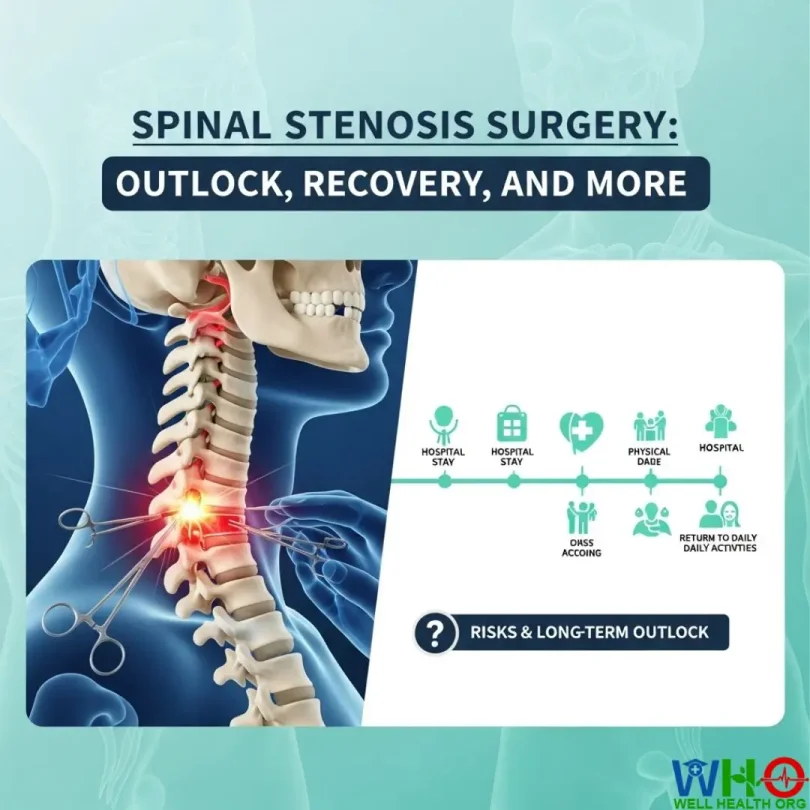
Understanding Cervical Spinal Stenosis
What Is Cervical Spinal Stenosis Surgery?
Cervical spinal stenosis is a condition where the open spaces within the spinal canal in your neck become narrower, creating pressure on the spinal cord and surrounding nerves. Think of your spine as a highway for nerve signals; when that highway narrows due to bone overgrowth, disc herniation, or thickened ligaments, it slows or even blocks nerve traffic, leading to pain, weakness, or numbness.
- Understanding Cervical Spinal Stenosis
- What Is Cervical Spinal Stenosis Surgery?
- How Spinal Narrowing Affects Your Nerves and Daily Life
- Common Causes and Risk Factors
- Recognizing Early Symptoms and Getting a Diagnosis
- Warning Signs You Shouldn’t Ignore
- How Doctors Diagnose Cervical Spinal Stenosis
- Imaging Tests and Their Purpose
- When Surgery Becomes Necessary
- Non-Surgical Treatments and Their Limitations
- Signs That Indicate Surgery May Be Needed
- Exploring Surgical Options for Cervical Spinal Stenosis
- Laminectomy: Relieving Pressure Through Decompression
- Laminoplasty: Expanding the Spinal Canal Without Bone Removal
- Spinal Fusion: Restoring Strength and Stability
- What to Expect Before, During, and After Surgery
- Preparing for Surgery: Key Steps for Success
- The Surgical Procedure Explained
- Immediate Post-Operative Care and Recovery
- Recovery and Rehabilitation After Spinal Surgery
- The Importance of Post-Surgical Rehabilitation
- Understanding the Risks and Complications of Spinal Surgery
- Common Risks Associated with Cervical Spine Surgery
- How to Minimize Surgical Risks
- Long-Term Outlook and Life After Spinal Surgery
- Expected Outcomes and Recovery Milestones
- Long-Term Lifestyle Adjustments
- Considering Non-Surgical Alternatives
- Physical Therapy: Building Strength and Stability
- Medications and Injections
- Lifestyle and Ergonomic Modifications
- When Non-Surgical Treatments Aren’t Enough
- Expert Insights: Q&A with a Spine Specialist
- Q1. When Should Someone Consider Surgery for Cervical Spinal Stenosis?
- Q2. What Happens If You Leave Cervical Spinal Stenosis Untreated?
- Q3. How Successful Is Surgery for Cervical Spinal Stenosis?
- Q4. What’s the Difference Between Cervical and Lumbar Spinal Stenosis Surgery?
- Q5. Can Cervical Spinal Stenosis Come Back After Surgery?
- Making an Informed Decision About Surgery
- 1. Get an Accurate Diagnosis
- 2. Understand Your Treatment Options
- 3. Evaluate Your Lifestyle and Goals
- 4. Seek a Second Opinion
- 5. Prepare Mentally and Physically
- Conclusion: Regaining Freedom Through Knowledge and Action
- Frequently Asked Questions (FAQs)
- 1. How Long Does It Take to Recover from Cervical Spinal Stenosis Surgery?
- 2. Will I Lose Neck Mobility After Surgery?
- 3. Can Cervical Spinal Stenosis Heal Without Surgery?
- 4. What Should I Avoid After Spinal Surgery?
- 5. Is Cervical Spinal Stenosis Surgery Covered by Insurance?
- Final Thoughts
This condition most commonly develops gradually over time, especially as part of the natural aging process. Degenerative changes in the spine—such as arthritis, disc wear, or bone spurs—are the usual culprits. However, younger individuals can also develop cervical stenosis due to congenital spinal narrowing or injury.
People often first notice stiffness in the neck or tingling in their hands and arms. Over time, these sensations may evolve into persistent pain, weakness, or balance problems. If left untreated, severe cervical stenosis can lead to spinal cord compression, a serious condition known as cervical myelopathy, which can significantly affect mobility and coordination.
Understanding the underlying mechanisms of spinal stenosis is vital. The spinal canal serves as a protective tunnel for the spinal cord; when it becomes too tight, even slight movement can irritate the nerves. This irritation leads to inflammation, impaired communication between the brain and body, and a gradual decline in daily function.
How Spinal Narrowing Affects Your Nerves and Daily Life
When the spinal canal tightens, it doesn’t just cause discomfort—it disrupts how your body functions. The compression of nerves in the cervical spine can result in a cascade of neurological symptoms. Many patients report that simple activities like buttoning a shirt, holding a cup, or typing on a keyboard become increasingly difficult.
Some individuals experience shooting pain that radiates from the neck down into the shoulders, arms, or even the legs. Others describe a persistent tingling or “pins and needles” sensation. Because these nerves control both movement and sensation, the symptoms can vary greatly depending on which part of the spinal cord is affected.
If the pressure becomes severe, it can affect the spinal cord itself, leading to issues with balance, walking, or fine motor control. In rare but serious cases, patients may lose control of bladder or bowel function—a clear sign of advanced nerve compression requiring immediate medical attention.
The emotional toll shouldn’t be overlooked either. Chronic pain and reduced mobility can contribute to anxiety, sleep disturbances, and even depression. Understanding this interplay helps patients and their families grasp why early diagnosis and proactive treatment are crucial for long-term well-being.
Common Causes and Risk Factors
Cervical spinal stenosis has multiple potential causes, most of which are related to aging and wear-and-tear on the spine. The most common cause is osteoarthritis, where the cartilage cushioning the joints breaks down over time, leading to inflammation and the growth of bone spurs that encroach on the spinal canal.
Other causes include:
- Herniated discs: When the soft inner material of a spinal disc bulges or ruptures, it can press on nearby nerves.
- Thickened ligaments: Ligaments that stabilize the spine can thicken with age, narrowing the spinal canal.
- Congenital factors: Some people are born with naturally smaller spinal canals.
- Spinal injuries: Traumatic events like car accidents or sports injuries can cause swelling or fractures that compress the spinal cord.
- Tumors or infections: Although rare, abnormal growths or infections can narrow the canal and irritate the spinal nerves.
Risk factors include being over 50, having a history of spinal arthritis, poor posture, obesity, and repetitive neck strain from certain occupations or lifestyle habits.
Interestingly, researchers have also noted a genetic component—if close relatives suffer from spinal issues, you might be more predisposed to developing them as well. Knowing your personal risk can help you adopt preventive habits early, such as maintaining proper posture, staying active, and strengthening your core muscles.
Recognizing Early Symptoms and Getting a Diagnosis
Warning Signs You Shouldn’t Ignore
Cervical spinal stenosis symptoms typically develop gradually, which is why many people dismiss them as simple neck stiffness or aging. However, ignoring the early signs can allow the condition to progress to a more serious stage.
Key symptoms include:
- Chronic neck pain or stiffness
- Tingling, numbness, or burning sensations in the arms, hands, or fingers
- Weakness in the arms or shoulders, affecting grip and dexterity
- Problems with balance or walking due to nerve signal disruption
- Loss of fine motor control, making daily tasks difficult
- In advanced cases, loss of bladder or bowel control
While these symptoms might not appear all at once, their persistence or progression is a major red flag. If you notice them, it’s essential to consult a doctor or spine specialist as soon as possible.
Early diagnosis is critical because the longer the nerves remain compressed, the harder it becomes to reverse the damage. Many patients who seek help early respond well to conservative treatments, while those who delay often require surgery to regain normal function.
How Doctors Diagnose Cervical Spinal Stenosis
A proper diagnosis begins with a comprehensive medical history and physical examination. Your doctor will ask detailed questions about your symptoms—when they started, how severe they are, and what makes them worse or better. They’ll also test your reflexes, muscle strength, and balance to assess the extent of nerve involvement.
If cervical stenosis is suspected, imaging tests are usually ordered to confirm the diagnosis and identify the exact location and severity of the narrowing.
Imaging Tests and Their Purpose
- X-rays:
These provide a clear picture of the bones in your neck. X-rays can reveal bone spurs, misalignment, or narrowing between vertebrae. Although they don’t show soft tissues like nerves or discs, they offer valuable structural insight. - MRI (Magnetic Resonance Imaging):
The MRI is the gold standard for diagnosing spinal stenosis. It creates detailed images of soft tissues—including the spinal cord, discs, and ligaments—allowing doctors to see where nerves are being compressed. - CT Scan or CT Myelogram:
A CT scan offers a more detailed look at bone structures. When combined with a myelogram (a dye injection into the spinal fluid), it provides a highly accurate image of nerve pathways and spinal canal narrowing. - Electromyography (EMG):
This test measures the electrical activity of muscles to determine how well your nerves are functioning. It’s particularly helpful in distinguishing spinal stenosis from other nerve-related conditions.
When Surgery Becomes Necessary
Non-Surgical Treatments and Their Limitations
In many cases, doctors begin with non-surgical treatments aimed at managing pain, reducing inflammation, and improving mobility. These can include:
- Physical therapy: Strengthens the muscles supporting the spine, improves posture, and enhances flexibility.
- Medications: Over-the-counter pain relievers or prescription drugs to reduce inflammation and discomfort.
- Steroid injections: Corticosteroid shots can relieve pressure and inflammation around compressed nerves.
- Lifestyle modifications: Avoiding activities that strain the neck, using ergonomic supports, and practicing gentle stretches.
While these methods often help in the early stages, they don’t address the underlying structural problem—the narrowed spinal canal. Over time, symptoms may return or worsen, signaling that conservative treatments are no longer enough.
Signs That Indicate Surgery May Be Needed
Surgery is typically recommended when:
- Pain and numbness persist despite months of non-surgical care
- There’s progressive weakness or loss of coordination
- You experience difficulty walking or balancing
- There’s loss of bowel or bladder control
- Imaging tests show severe nerve or spinal cord compression
At this point, surgery’s goal is to decompress the spinal cord and nerves, restoring normal function and preventing permanent nerve damage. As Dr. John Doe, a leading neurosurgeon, notes, “The decision to proceed with surgery isn’t just about pain—it’s about preserving quality of life and preventing long-term disability.”
Exploring Surgical Options for Cervical Spinal Stenosis
When conservative treatments no longer provide relief, surgery becomes the next logical step. The aim of surgical intervention is straightforward yet crucial — to decompress the spinal cord and nerves, allowing them to function freely again. However, surgery is not a one-size-fits-all solution. The right approach depends on the location of stenosis, the severity of compression, and the patient’s overall health.
Let’s explore the most common and effective surgical options available today for cervical spinal stenosis.
Laminectomy: Relieving Pressure Through Decompression
Laminectomy is one of the most widely performed surgeries for cervical spinal stenosis. In this procedure, the surgeon removes part of the vertebral bone called the lamina — the rear portion that forms the roof of the spinal canal. By removing this segment, additional space is created for the spinal cord and nerves, alleviating pressure.
During a cervical laminectomy:
- The patient is placed under general anesthesia.
- A small incision is made in the back of the neck.
- The surgeon carefully moves muscles aside to expose the vertebrae.
- The lamina is removed or trimmed, along with any bone spurs or thickened ligaments compressing the nerves.
Once decompression is complete, the incision is closed, and the muscles are repositioned. In some cases, spinal fusion may also be performed immediately after to stabilize the spine, particularly when multiple vertebrae are involved.
Advantages:
- Provides significant and immediate relief from nerve pressure.
- Proven long-term success rates (up to 90% in many clinical studies).
- Often improves strength, sensation, and mobility within weeks.
Drawbacks:
- It may slightly reduce spinal flexibility.
- Recovery can take longer if combined with fusion.
- As with all surgeries, there’s a small risk of infection, bleeding, or nerve injury.
Many patients describe the difference after surgery as “night and day.” One patient, John (62), shared that after years of constant neck pain and hand weakness, he was able to drive and work again within three months of his procedure.
Laminoplasty: Expanding the Spinal Canal Without Bone Removal
Unlike laminectomy, laminoplasty preserves the lamina rather than removing it. This innovative technique is designed specifically for the cervical spine, where maintaining mobility and stability is essential.
Here’s how it works:
- The surgeon creates a hinge on one side of the vertebra and an opening on the other.
- The lamina is gently lifted open, like a door, to enlarge the spinal canal.
- A small metal plate or bone graft holds it in the new position, maintaining extra space for the spinal cord.
This technique allows decompression while keeping the spinal structure intact, reducing the likelihood of postoperative instability.
Benefits of Laminoplasty:
- Preserves more natural neck motion compared to laminectomy with fusion.
- Less risk of postoperative deformity.
- Reduced need for additional stabilization hardware.
- Suitable for patients with multi-level stenosis.
Potential Drawbacks:
- May not be ideal for those with pre-existing spinal instability.
- Some patients report residual neck stiffness.
- Recovery can still take several months for full strength to return.
Laminoplasty offers a middle ground — it provides decompression without sacrificing the spine’s architecture. Many spine specialists recommend this approach for patients who want to maintain flexibility and motion after surgery.
Spinal Fusion: Restoring Strength and Stability
Spinal fusion is often performed alongside a laminectomy or discectomy to restore spinal stability. In this procedure, two or more vertebrae are permanently joined together using bone grafts and metal implants (plates, rods, or screws). The goal is to prevent movement between affected vertebrae and reduce the risk of further nerve irritation.
Here’s what typically happens during spinal fusion:
- The surgeon removes any damaged or compressed tissue.
- A bone graft (taken from the patient’s pelvis or a donor source) is placed between the vertebrae.
- Metal hardware is used to hold the vertebrae in place until the bones fuse naturally over time.
Advantages:
- Provides strong, lasting stability.
- Prevents recurrence of spinal compression.
- Helps correct spinal deformities or misalignments.
Limitations:
- Reduces flexibility at the fused levels.
- Bone fusion can take 6 to 12 months to fully heal.
- In rare cases, bones fail to fuse properly, requiring revision surgery.
Despite these limitations, spinal fusion remains an essential tool for patients with severe cervical instability. It’s particularly beneficial when decompression involves multiple vertebrae or when the spine shows signs of degenerative deformity.
What to Expect Before, During, and After Surgery
Understanding what happens at each stage of spinal stenosis surgery can greatly reduce anxiety and help you prepare mentally and physically for the experience. Let’s walk through the full process.
Preparing for Surgery: Key Steps for Success
Preparation begins weeks before your operation. Your surgical team will perform a detailed medical evaluation, including blood tests, imaging studies, and an assessment of your heart and lung function.
Here are some crucial steps to take before surgery:
- Medication Review: Inform your doctor about all medications, vitamins, and supplements you take. Some, like blood thinners, may need to be paused to reduce bleeding risk.
- Lifestyle Adjustments: Quit smoking (it delays healing) and reduce alcohol intake. Eat a balanced diet rich in protein, calcium, and vitamins to promote recovery.
- Preoperative Instructions: You’ll receive detailed guidance on fasting before surgery, showering with antiseptic soap, and arranging post-surgery transportation.
- Mental Preparation: Surgery can feel overwhelming. Consider relaxation techniques such as deep breathing, meditation, or journaling to manage stress beforehand.
A positive mindset and good physical preparation can have a real impact on surgical outcomes. Patients who stay active and optimistic often report smoother recoveries.
The Surgical Procedure Explained
Cervical spinal stenosis surgery is performed under general anesthesia, meaning you’ll be asleep and pain-free throughout. The exact steps depend on the type of surgery (laminectomy, laminoplasty, or fusion), but the general process follows a similar outline:
- Incision: A small cut is made at the back (or sometimes front) of the neck.
- Exposure: Muscles and tissues are carefully moved aside to expose the spine.
- Decompression: The surgeon removes or repositions the bone or ligament causing compression.
- Stabilization (if needed): Plates, screws, or bone grafts are added for stability.
- Closure: Once the nerves are free, the tissues are replaced, and the incision is closed with sutures or surgical glue.
The procedure can take anywhere from two to four hours, depending on the complexity and number of vertebrae treated.
Some patients qualify for minimally invasive surgery, which uses smaller incisions and specialized instruments to minimize muscle damage. This approach usually results in less pain, less blood loss, and a quicker recovery.
Immediate Post-Operative Care and Recovery
After surgery, you’ll spend several hours in a recovery room while medical staff monitor your vital signs and comfort. Most patients remain in the hospital for one to three days, depending on the procedure.
Common early experiences include:
- Mild neck stiffness and soreness (manageable with pain medication).
- Fatigue and temporary difficulty swallowing or speaking if surgery was performed from the front of the neck.
- A neck brace or cervical collar may be prescribed to support healing and maintain alignment.
The first few weeks are focused on gentle movement and avoiding strain. Walking short distances is encouraged to promote circulation and prevent blood clots.
If a spinal fusion was performed, you may need to avoid bending, twisting, or lifting anything heavier than five pounds for several months.
By four to six weeks, most patients begin physical therapy to rebuild strength and flexibility. The therapist will guide you through neck-stabilizing exercises and safe movement patterns to prevent reinjury.
Recovery timelines vary — some people return to light work within a few weeks, while others (especially those with fusion) may take up to a year to fully heal. The key to success is patience and consistency in following your surgeon’s instructions.
Recovery and Rehabilitation After Spinal Surgery
The road to full recovery doesn’t end when you leave the hospital. In fact, the rehabilitation phase is just as important as the surgery itself. A carefully structured recovery plan ensures lasting results and reduces the risk of complications.
The Importance of Post-Surgical Rehabilitation
Rehabilitation usually begins four to six weeks after surgery, depending on your progress. Your medical team will evaluate your condition before starting any physical therapy program.
A trained physiotherapist will:
- Design exercises that restore neck strength and improve posture.
- Teach safe ways to move, lift, and perform daily activities.
- Monitor your range of motion and adjust therapy intensity over time.
Simple exercises like chin tucks, gentle neck rotations, and shoulder blade squeezes can dramatically enhance recovery when performed consistently.
Along with physical therapy, doctors often recommend:
- Hydration and nutrition: Adequate protein, calcium, and vitamin D support bone healing.
- Pain management: Over-the-counter painkillers or prescription medications can be used as needed.
- Sleep optimization: Proper rest speeds up recovery and minimizes inflammation.
A full recovery timeline typically spans 3–6 months, but it can extend to a year for those undergoing fusion surgery. With commitment and guidance, most patients regain nearly full function and return to their normal activities — often with less pain and greater freedom of movement than before surgery.
Understanding the Risks and Complications of Spinal Surgery
No surgical procedure is entirely without risk, and spinal surgery is no exception. While the success rate for cervical spinal stenosis surgery is impressively high, it’s important to be aware of the potential complications so you can make an informed decision and prepare for recovery.
Modern advancements in surgical technology, anesthesia, and infection control have made spinal surgery far safer than it used to be. However, each patient’s risk level varies depending on factors such as age, overall health, and the complexity of the procedure.
Common Risks Associated with Cervical Spine Surgery
Here are some of the most commonly discussed risks and side effects that can occur after cervical spinal stenosis surgery:
- Infection:
Any time the skin is opened, there’s a risk of infection. Surgeons take extensive precautions, including sterile environments and antibiotics, to minimize this risk. - Bleeding or Blood Clots:
Although bleeding during surgery is typically minimal, rare cases may require additional monitoring or intervention. Walking soon after surgery helps reduce the risk of clots. - Nerve Injury:
Since the operation is performed close to the spinal cord and nerve roots, there’s a small risk of nerve irritation or damage. This may cause temporary numbness, weakness, or tingling, which usually resolves over time. - Adverse Reactions to Anesthesia:
Modern anesthesia is extremely safe, but some patients may experience nausea, dizziness, or rare allergic reactions. - Hardware Problems:
In fusion procedures, plates, rods, or screws can occasionally become loose or break over time, requiring correction or revision. - Failed Fusion (Nonunion):
In some cases, the bones may not fuse completely after surgery. This can lead to instability and may require another operation. - Voice or Swallowing Issues:
When the surgery is performed through the front of the neck, temporary hoarseness or difficulty swallowing is common. These symptoms usually fade within a few weeks. - Scar Tissue Formation:
Excessive scar tissue can cause mild stiffness or irritation but rarely leads to significant complications.
Dr. Emily White, a rehabilitation specialist, notes, “Understanding surgical risks doesn’t mean expecting the worst — it means being prepared. The more informed you are, the smoother your recovery tends to be.”
How to Minimize Surgical Risks
The good news is that most risks can be effectively reduced with proper planning and post-operative care.
Here are expert-recommended strategies to protect your recovery and optimize your results:
- Choose an experienced spine surgeon — experience directly correlates with lower complication rates.
- Follow pre-surgery instructions carefully, including fasting, medication adjustments, and hygiene preparation.
- Maintain good overall health — managing blood pressure, blood sugar, and quitting smoking improves healing.
- Stay active after surgery — light walking encourages blood flow and reduces clot risk.
- Attend all follow-up appointments — your surgeon can detect early warning signs before they become serious.
In most cases, complications are mild and short-lived. The vast majority of patients recover well and enjoy long-lasting relief from their symptoms.
Long-Term Outlook and Life After Spinal Surgery
The long-term prognosis after cervical spinal stenosis surgery is highly encouraging. For most patients, surgery not only reduces pain and numbness but also restores independence and quality of life.
Expected Outcomes and Recovery Milestones
Studies show that 80–90% of patients experience significant improvement in symptoms following decompression surgery. Pain, weakness, and numbness often decrease within weeks, while mobility and coordination continue to improve over several months.
Typical recovery milestones include:
- 1–2 weeks post-surgery: Most patients experience reduced pain and improved neck mobility.
- 4–6 weeks: Return to light activities or desk work, depending on your surgeon’s approval.
- 3–4 months: Most patients resume moderate physical activity and regain strength.
- 6–12 months: Full bone fusion (if performed) and restoration of near-normal function.
That said, every recovery journey is unique. Some patients heal faster due to good physical conditioning and adherence to rehabilitation, while others may take longer if pre-surgery nerve damage was severe.
Long-Term Lifestyle Adjustments
To protect your spine after surgery and prevent recurrence of symptoms, consider these lifestyle recommendations:
- Maintain good posture: Keep your spine neutral during work, driving, and daily tasks.
- Exercise regularly: Strengthen neck, shoulder, and core muscles to support spinal alignment.
- Avoid heavy lifting or repetitive strain: Gradually return to physical activities under professional guidance.
- Manage weight: Extra body weight can place stress on your spine and slow recovery.
- Prioritize bone health: A diet rich in calcium and vitamin D, along with weight-bearing exercises, supports spinal strength.
Patients often describe a profound difference in their daily lives after surgery. For instance, Mary, 55, reported being able to return to yoga and gardening without pain, while Robert, 70, resumed long walks and social activities after completing rehabilitation.
These real-world successes highlight that spinal surgery, when combined with disciplined aftercare, can truly be life-changing.
Considering Non-Surgical Alternatives
Surgery is not always the first or only answer. In many cases, non-surgical treatments can successfully manage cervical spinal stenosis symptoms — especially if the condition is caught early or symptoms are mild.
Physical Therapy: Building Strength and Stability
Physical therapy (PT) remains the cornerstone of conservative care for spinal stenosis. A customized program designed by a physical therapist helps improve flexibility, strengthen neck and back muscles, and correct posture.
Key therapy components include:
- Stretching exercises to maintain mobility in the cervical spine.
- Strength training for neck, shoulder, and core muscles to support the spine.
- Manual therapy techniques to relieve stiffness and muscle tension.
- Postural training to reduce strain during sitting or standing.
Regular PT not only alleviates pain but can also delay the need for surgery by improving spinal stability and blood flow to nerve tissues.
Medications and Injections
Pain management plays an essential role in improving comfort and function.
Common medications include:
- NSAIDs (e.g., ibuprofen or naproxen): To reduce inflammation and discomfort.
- Muscle relaxants: To ease muscle spasms.
- Neuropathic pain drugs: Such as gabapentin, which targets nerve pain.
In more severe cases, corticosteroid injections may be administered directly into the epidural space of the spine. These injections can provide weeks or months of relief by decreasing inflammation and easing nerve pressure.
While medications and injections can’t cure stenosis, they can effectively manage flare-ups and improve daily function.
Lifestyle and Ergonomic Modifications
Small changes in your everyday routine can make a big difference in managing cervical stenosis symptoms:
- Use ergonomic chairs and adjustable monitors to keep your neck aligned while working.
- Avoid prolonged sitting — take breaks every 30–45 minutes to stretch.
- Sleep with supportive pillows that maintain the natural curve of your neck.
- Stay active through low-impact exercises such as walking, swimming, or cycling.
- Practice stress management techniques like yoga, tai chi, or meditation, which reduce tension and promote spinal flexibility.
Even simple habits like maintaining proper hydration and limiting screen time can help reduce neck stiffness and muscle strain over time.
When Non-Surgical Treatments Aren’t Enough
For some, non-surgical treatments can only go so far. If pain and nerve compression continue to interfere with your ability to work, sleep, or move comfortably, surgery may be the next logical step.
As spine specialist Dr. Jane Smith explains,
“We don’t jump to surgery immediately, but when symptoms start to limit a person’s independence or cause progressive nerve damage, delaying surgical intervention can sometimes do more harm than good.”
In such cases, discussing surgical options with a qualified spine specialist ensures that you make a well-informed, confident decision.
Expert Insights: Q&A with a Spine Specialist
To further clarify what patients can expect, we asked leading spine specialists to address some of the most common questions about cervical spinal stenosis surgery.
Q1. When Should Someone Consider Surgery for Cervical Spinal Stenosis?
Answer:
Surgery should be considered when non-surgical treatments have failed or when symptoms become severe and start affecting daily life. This includes significant weakness, numbness, balance problems, or loss of bladder or bowel control — all of which may indicate spinal cord compression.
Dr. Jane Smith, a spine surgeon with over 20 years of experience, explains:
“The decision to have surgery isn’t based on pain alone. It’s about function. When your symptoms start to interfere with your ability to work, walk, or perform normal activities, surgery often becomes the best option.”
Q2. What Happens If You Leave Cervical Spinal Stenosis Untreated?
Answer:
Without proper treatment, cervical stenosis can gradually worsen. Continuous pressure on the spinal cord may lead to permanent nerve damage, resulting in chronic pain, weakness, or even paralysis in severe cases.
Early medical evaluation allows for more conservative management, but delaying care increases the risk of irreversible outcomes. Untreated stenosis can also lead to cervical myelopathy, which can severely limit your mobility and coordination.
Q3. How Successful Is Surgery for Cervical Spinal Stenosis?
Answer:
Surgical outcomes for cervical stenosis are overwhelmingly positive. Success rates for decompression procedures like laminectomy or laminoplasty range between 80% and 90%, depending on the severity of compression and patient health.
Most patients report a dramatic reduction in pain and numbness within a few weeks. Functional improvements, such as better balance, coordination, and grip strength, typically continue to improve over several months.
While every surgery carries some risk, studies consistently show that most patients experience long-lasting relief and return to their normal routines with proper rehabilitation.
Q4. What’s the Difference Between Cervical and Lumbar Spinal Stenosis Surgery?
Answer:
The main difference lies in location and surgical approach. Cervical stenosis affects the neck and often requires more delicate surgical techniques to protect the spinal cord. Lumbar stenosis affects the lower back and focuses on relieving nerve pressure that causes leg pain or sciatica.
Procedures like laminectomy and fusion can be performed in both regions, but laminoplasty is unique to the cervical spine because of the need to maintain neck mobility.
Q5. Can Cervical Spinal Stenosis Come Back After Surgery?
Answer:
While it’s rare for stenosis to recur in the same location, degenerative changes can occur at other spinal levels over time. Maintaining a healthy lifestyle — staying active, practicing good posture, and following up with your spine specialist — greatly reduces the risk of recurrence.
Regular check-ups and imaging tests can detect early signs of spinal changes before they cause symptoms again. Many patients go years, even decades, without needing any further intervention.
Making an Informed Decision About Surgery
Choosing to undergo spinal surgery is a major health decision — one that requires careful thought and professional guidance. Here’s how to make sure you’re ready:
1. Get an Accurate Diagnosis
Start with a comprehensive evaluation by a spine specialist. Imaging tests like MRI or CT scans can confirm the severity and location of stenosis.
2. Understand Your Treatment Options
Ask your doctor about both surgical and non-surgical options. Some patients may benefit from minimally invasive surgery, while others require traditional open procedures for optimal results.
3. Evaluate Your Lifestyle and Goals
Think about how your symptoms affect your daily life. If neck pain, numbness, or balance problems are keeping you from working or enjoying normal activities, surgery might help restore your independence.
4. Seek a Second Opinion
It’s always wise to consult another qualified specialist before proceeding with surgery. A second opinion ensures that all alternatives have been considered and that the proposed treatment is appropriate for your condition.
5. Prepare Mentally and Physically
Recovery success depends heavily on your mindset and physical condition before surgery. Focus on improving your overall health through proper nutrition, exercise, and stress management.
Making a well-informed decision gives you confidence going into surgery and greatly improves your odds of a successful recovery.
Conclusion: Regaining Freedom Through Knowledge and Action
Cervical spinal stenosis can be a life-altering condition — one that affects not just your mobility, but also your confidence, independence, and emotional well-being. Fortunately, modern medical advances have made diagnosis and treatment more effective than ever before.
From early symptom recognition and accurate diagnosis to surgical innovation and rehabilitation, every step of the journey plays a vital role in recovery. Whether you choose to manage symptoms through conservative care or proceed with surgery, understanding your options empowers you to take control of your health.
Most importantly, remember that spinal stenosis surgery is not just about pain relief — it’s about reclaiming your life. Thousands of patients each year regain movement, strength, and joy after undergoing successful cervical decompression procedures. With the right care, discipline, and support, you can too.
Frequently Asked Questions (FAQs)
1. How Long Does It Take to Recover from Cervical Spinal Stenosis Surgery?
Recovery time varies by patient and surgical type. Many people return to light activities within 4–6 weeks, but full recovery — especially after spinal fusion — can take 6–12 months. Adhering to physical therapy and follow-up appointments greatly improves outcomes.
2. Will I Lose Neck Mobility After Surgery?
Some loss of neck movement is possible, particularly after fusion, but most patients retain good flexibility. Techniques like laminoplasty are designed specifically to decompress the spine while preserving motion.
3. Can Cervical Spinal Stenosis Heal Without Surgery?
In mild cases, symptoms can often be managed effectively with physical therapy, medications, or lifestyle changes. However, once nerve compression becomes severe, surgery is the only definitive way to relieve pressure and prevent permanent damage.
4. What Should I Avoid After Spinal Surgery?
During recovery, avoid heavy lifting, twisting, or sudden neck movements. Use proper posture while sitting or sleeping and follow your surgeon’s instructions closely. Avoid smoking, as it can delay bone healing and increase the risk of complications.
5. Is Cervical Spinal Stenosis Surgery Covered by Insurance?
In most cases, yes. When medically necessary and recommended by a specialist, spinal surgery is typically covered by insurance providers. It’s important to confirm coverage details, copays, and pre-authorization requirements before the procedure.
Final Thoughts
Living with cervical spinal stenosis can feel overwhelming, but it doesn’t have to define your life. By understanding your condition and taking proactive steps — from early diagnosis to proper treatment — you can move toward a healthier, more comfortable future.
Whether your path involves physical therapy, lifestyle adjustments, or surgery, the goal remains the same: to restore mobility, relieve pain, and enhance your overall quality of life.
Medically Reviewed by Prof. Dr. Akram
Orthopedic Surgeon | Professor | Senior Medical Specialist
Prof. Dr. Akram is a distinguished surgeon with over 15 years of clinical expertise. Having served as a lead Emergency Specialist at Complex International Government Hospital, he currently leads a specialized team of 13 medical professionals at his private hospital. As a Professor at top medical universities, he ensures that every article on WellHealthOrg.com meets rigorous clinical standards.
Medical Disclaimer:
The information provided is for educational purposes only and is not a substitute for professional medical advice, diagnosis, or treatment. Always consult your physician for any medical concerns.
Our content is rigorously fact-checked by our 13-member Editorial Team under the clinical supervision of Prof. Dr. Akram.