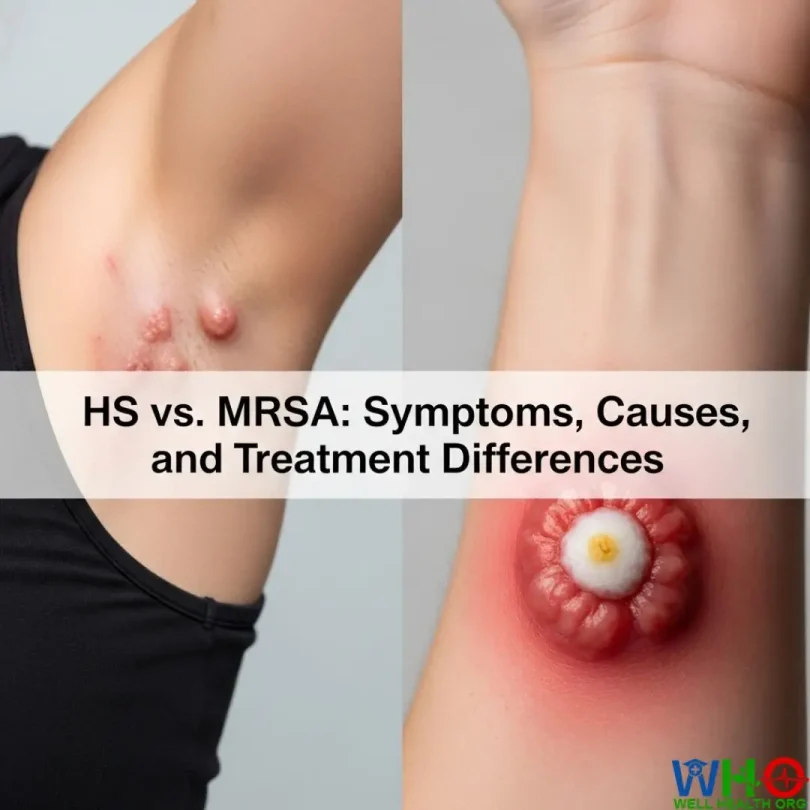
HS vs MRSA: Understanding the Key Differences and How to Protect Your Skin Health
When it comes to skin conditions that cause painful bumps, redness, and swelling, hidradenitis suppurativa (HS) and methicillin-resistant Staphylococcus aureus (MRSA) often top the list of culprits. At first glance, these two can look surprisingly similar — both may present as inflamed, pus-filled boils that cause severe discomfort. However, beneath the surface, they’re entirely different conditions with distinct causes, symptoms, and treatment approaches.
- HS vs MRSA: Understanding the Key Differences and How to Protect Your Skin Health
- HS vs. MRSA: What’s the Difference?
- Symptoms: Where and How They Appear
- HS Symptoms: A Chronic, Recurrent Condition
- MRSA Symptoms: A Rapidly Spreading Infection
- Causes and Risk Factors: Why They Develop
- HS Causes and Risk Factors
- MRSA Causes and Risk Factors
- How Doctors Diagnose HS and MRSA
- Diagnosing HS
- Diagnosing MRSA
- Treatment Options: Managing HS and MRSA Effectively
- HS Treatment: Managing a Chronic Condition
- 1. Topical Treatments
- 2. Oral Medications
- 3. In-Office Procedures and Surgical Treatments
- 4. Lifestyle and Self-Care Tips
- MRSA Treatment: Fighting a Resistant Bacterial Infection
- 1. Antibiotic Therapy
- 2. Surgical Drainage
- 3. Supportive Care
- 4. Hospitalization for Severe Cases
- Prevention Tips: Reducing Your Risk of HS and MRSA
- Managing HS: Reducing Flare-Ups and Skin Friction
- Preventing MRSA: Practicing Excellent Hygiene
- When to Seek Medical Attention
- Living with HS or Recovering from MRSA: What to Expect
- Conclusion
- Frequently Asked Questions (FAQs)
Understanding how to tell them apart isn’t just about comfort — it’s crucial for getting the right diagnosis and avoiding complications. HS is a chronic inflammatory skin disorder, while MRSA is a serious bacterial infection that can spread rapidly if left untreated. This comprehensive guide breaks down their differences, exploring causes, symptoms, treatments, and prevention strategies so you can make informed decisions about your health.
HS vs. MRSA: What’s the Difference?
Both HS and MRSA can manifest as painful, red bumps filled with pus, but they develop for entirely different reasons. HS originates from inflammation and blockage of hair follicles in areas where skin frequently rubs together. MRSA, by contrast, is caused by bacteria that have developed resistance to many antibiotics, making it more difficult to treat.
While HS tends to linger and recur over time, MRSA infections are acute and infectious, requiring prompt medical care. Understanding these core distinctions is key to preventing misdiagnosis and ensuring proper treatment.
Symptoms: Where and How They Appear
One of the most important ways to differentiate between HS and MRSA lies in where the symptoms appear and how they progress. Let’s look at each condition more closely.
HS Symptoms: A Chronic, Recurrent Condition
Hidradenitis suppurativa (HS) is a long-term, inflammatory disease that usually develops in areas of the body where skin friction is common. These are called intertriginous zones — areas like the armpits, groin, inner thighs, under the breasts, and buttocks.
The hallmark of HS is the formation of deep, painful nodules that feel like hard lumps beneath the skin. These bumps can swell, rupture, and drain pus with an unpleasant odor. Over time, repeated flare-ups may lead to the formation of sinus tracts — tunnels under the skin that connect lesions — and scarring, which can be disfiguring and emotionally distressing.
Common symptoms of HS include:
- Tender, pea-sized lumps under the skin that may persist for weeks or months.
- Abscesses that rupture and leak foul-smelling fluid.
- Scarring and thickening of the skin in affected areas.
- Itching, burning, and general discomfort before a flare-up.
Unlike bacterial infections, HS isn’t contagious. It’s an auto-inflammatory condition, meaning your immune system mistakenly attacks healthy tissue, causing chronic inflammation. HS tends to affect both sides of the body symmetrically and often recurs in the same locations.
Real-life impact example:
Many people living with HS report that flare-ups worsen with heat, sweating, or stress. Some find that tight clothing or shaving triggers new outbreaks. Over time, the physical pain and emotional burden of HS can interfere with work, relationships, and self-esteem — highlighting the importance of early diagnosis and ongoing care.
MRSA Symptoms: A Rapidly Spreading Infection
MRSA (methicillin-resistant Staphylococcus aureus) is a bacterial skin infection that can develop anywhere on the body. It typically begins as a small red bump — often mistaken for a pimple, insect bite, or ingrown hair — but quickly becomes swollen, painful, and filled with pus.
As the infection progresses, the surrounding skin becomes warm and tender, and the lesion may enlarge rapidly. MRSA can cause fever, fatigue, and chills — signs that the infection may be spreading beyond the skin into the bloodstream.
Typical signs of MRSA infection include:
- A red, swollen bump that is painful and filled with pus.
- The area feels hot and may grow quickly.
- Fluid or pus drainage from the lesion.
- Fever or chills (indicating a possible systemic infection).
While HS develops slowly and chronically, MRSA moves fast — sometimes within a matter of hours or days. Left untreated, MRSA can lead to serious complications such as cellulitis, abscesses, pneumonia, or even sepsis, a potentially life-threatening condition.
Quick tip:
If a skin bump becomes unusually painful, expands quickly, or you develop a fever, do not try to pop or squeeze it. Seek medical attention immediately — especially if you have a weakened immune system or recently had surgery or an open wound.
Causes and Risk Factors: Why They Develop
Though they may look alike, the origins of HS and MRSA couldn’t be more different. HS stems from inflammation, while MRSA is caused by antibiotic-resistant bacteria.
HS Causes and Risk Factors
The exact cause of HS remains somewhat mysterious, but experts believe it’s triggered by a combination of genetic, hormonal, and environmental factors. It starts when hair follicles become blocked, trapping sweat and bacteria beneath the skin. This blockage triggers inflammation, which can cause painful nodules and abscesses.
Key risk factors for HS include:
- Genetics:
If you have a family member with HS, you are more likely to develop it. Studies suggest that up to 40% of HS patients have a genetic link. - Hormonal changes:
HS tends to flare up after puberty and may worsen during menstruation or with hormonal fluctuations, indicating a possible hormonal component. - Smoking:
Tobacco use is one of the strongest triggers. Nicotine may influence immune system responses and worsen inflammation. - Being overweight or obese:
Excess weight increases skin friction and can exacerbate HS symptoms. - Stress and heat:
Emotional stress, hot weather, or sweating can aggravate HS flare-ups.
While HS isn’t caused by poor hygiene, maintaining clean and dry skin can help reduce irritation. It’s also important to understand that HS is not contagious — you cannot “catch” it from another person.
MRSA Causes and Risk Factors
MRSA, in contrast, is purely infectious. It’s caused by a strain of Staphylococcus aureus that has developed resistance to several commonly used antibiotics, including methicillin, amoxicillin, and penicillin. This makes MRSA a major concern in both hospitals and communities.
The bacteria can enter the body through small cuts, scrapes, or surgical wounds and spread quickly — especially in environments where people have close contact or share personal items.
Common risk factors for MRSA infection include:
- Recent hospitalization: Hospitals are a frequent source of MRSA exposure, especially for patients with open wounds or IV lines.
- Nursing home or ICU stays: Long-term care settings increase the risk due to close contact and frequent antibiotic use.
- Invasive procedures: Surgeries, catheters, and dialysis can provide entry points for bacteria.
- Recent antibiotic use: Overuse or misuse of antibiotics can disrupt normal bacterial balance, making it easier for resistant strains to thrive.
- Skin injuries: Cuts, burns, or insect bites can allow MRSA to enter the bloodstream.
- Weakened immune system: People with conditions like diabetes, HIV, or cancer are more vulnerable.
MRSA infections are contagious and can spread through direct contact with an infected wound or contaminated surfaces such as towels, razors, gym equipment, or even doorknobs.
Example scenario:
Athletes who share locker rooms or sports equipment are at higher risk of MRSA, particularly if they have small skin abrasions. Similarly, healthcare workers who frequently handle patients or wounds must take extra precautions with hand hygiene and protective gear.
How Doctors Diagnose HS and MRSA
Accurate diagnosis is vital since mistaking one condition for the other can delay proper treatment. Although both can cause painful boils, doctors use different diagnostic methods for HS and MRSA.
For HS, diagnosis is primarily clinical. A dermatologist evaluates the appearance, pattern, and recurrence of the lesions — particularly whether they occur in typical HS areas and how long they’ve been present.
For MRSA, lab testing is required. A sample of pus or tissue is collected and cultured to confirm the presence of antibiotic-resistant Staphylococcus aureus bacteria.
Let’s look at each process more closely.
Diagnosing HS
There are no blood tests or imaging scans specifically for HS. Diagnosis depends on three main clinical features:
- Location: Lesions occur in intertriginous areas like the armpits or groin.
- Recurrence: The condition persists or recurs over months or years.
- Lesion type: Presence of nodules, abscesses, and sinus tracts.
Doctors may take a swab from any draining wound to check for secondary infection (since HS lesions can become infected with bacteria like MRSA), but the underlying cause remains inflammatory, not infectious.
Dermatologists often grade HS using the Hurley staging system:
- Stage I: Single or multiple abscesses without sinus tracts or scarring.
- Stage II: Recurrent abscesses with limited tunneling and scarring.
- Stage III: Extensive, interconnected sinus tracts and widespread scarring.
Early diagnosis can prevent progression to severe stages, reducing pain and scarring.
Diagnosing MRSA
Diagnosis of MRSA focuses on identifying the bacteria and determining antibiotic resistance. Doctors typically:
- Collect a sample: A swab of the infected area or drainage fluid is sent to a lab.
- Culture the bacteria: The sample is tested to see if Staphylococcus aureus grows.
- Antibiotic sensitivity testing: Determines which antibiotics remain effective.
If MRSA spreads to the bloodstream, lungs, or urinary tract, blood cultures or imaging may be needed.
Rapid molecular tests can now detect MRSA DNA within hours — a major advancement in preventing severe complications.
Treatment Options: Managing HS and MRSA Effectively
Since HS and MRSA have completely different underlying causes, their treatments differ substantially. HS treatment revolves around controlling inflammation, managing flare-ups, and preventing long-term damage. MRSA, on the other hand, focuses on eradicating the bacterial infection and preventing its spread. Understanding how each condition is treated can help you or your loved ones receive faster, more effective care.
HS Treatment: Managing a Chronic Condition
There’s currently no known cure for hidradenitis suppurativa, but various treatment strategies can significantly reduce symptoms, minimize flare-ups, and improve quality of life. Because HS varies in severity, treatment is typically personalized — combining medication, lifestyle adjustments, and sometimes surgical intervention.
1. Topical Treatments
For mild HS, topical therapies are often the first line of defense.
- Antibiotic creams or gels: Topical clindamycin can reduce bacterial growth and calm inflammation.
- Resorcinol cream: This keratolytic agent helps remove dead skin cells and open clogged follicles, easing pain and swelling.
- Antiseptic washes: Daily cleansing with antiseptic solutions like chlorhexidine can help reduce bacterial buildup on the skin.
2. Oral Medications
When topical solutions aren’t enough, doctors may prescribe systemic treatments:
- Oral antibiotics: Tetracyclines (such as doxycycline or minocycline) help reduce inflammation and bacterial infection.
- Hormonal therapy: Birth control pills or anti-androgen drugs like spironolactone can help balance hormone levels, especially in women who experience HS flare-ups during menstruation.
- Retinoids: Drugs like acitretin can normalize skin cell turnover and prevent follicle blockage.
- Biologics: These are advanced medications like adalimumab (Humira) or infliximab that target specific parts of the immune system. They’ve shown great promise in controlling moderate to severe HS by reducing chronic inflammation.
3. In-Office Procedures and Surgical Treatments
When HS lesions become large, painful, or unresponsive to medication, minor procedures can provide relief:
- Corticosteroid injections: Reduce swelling and pain within individual nodules.
- Laser hair removal: Can decrease flare-ups by targeting hair follicles and reducing bacterial growth.
- Deroofing: A minimally invasive procedure that removes the “roof” of tunnels or sinus tracts, allowing for better drainage and faster healing.
- Wide excision: In severe cases, surgeons may remove large areas of affected tissue to prevent recurrence.
4. Lifestyle and Self-Care Tips
In addition to medical treatment, daily habits play a crucial role in managing HS:
- Maintain a healthy weight to reduce friction and inflammation.
- Quit smoking, which can worsen symptoms and delay healing.
- Wear loose, breathable clothing to prevent irritation.
- Use antibacterial washes and avoid shaving affected areas.
- Apply warm compresses during flare-ups to ease discomfort.
Real-world insight:
Patients who actively track their triggers — such as stress, heat, certain foods, or hormonal changes — often manage HS better. Keeping a journal can help identify patterns and prevent future flare-ups.
MRSA Treatment: Fighting a Resistant Bacterial Infection
Because MRSA is resistant to many antibiotics, proper diagnosis and targeted treatment are essential. The goal of MRSA management is to control the infection, prevent complications, and stop transmission.
1. Antibiotic Therapy
Treatment for MRSA depends on the severity and location of the infection.
- Oral antibiotics: For mild skin infections, medications such as trimethoprim-sulfamethoxazole (Bactrim), doxycycline, or clindamycin are commonly prescribed.
- Intravenous (IV) antibiotics: For severe or systemic MRSA infections, stronger IV drugs like vancomycin, linezolid, or daptomycin are necessary. Hospitalization is often required in these cases.
- Monitoring: Doctors may switch antibiotics based on lab results showing which drugs the bacteria respond to.
2. Surgical Drainage
If an abscess forms, surgical drainage is often the most effective step.
A doctor will make a small incision to release trapped pus, easing pressure and pain. This procedure helps speed recovery and prevents bacteria from spreading deeper into tissues.
3. Supportive Care
- Pain management: Over-the-counter medications like ibuprofen or acetaminophen can reduce pain and fever.
- Wound care: Keeping the infected area clean, covered, and dry helps prevent reinfection and spread to others.
- Rest and hydration: Supporting the immune system through adequate sleep and fluid intake aids healing.
4. Hospitalization for Severe Cases
If MRSA spreads to the bloodstream (bacteremia) or internal organs, immediate hospitalization is required. This situation can lead to pneumonia, sepsis, or endocarditis (heart infection) — all potentially life-threatening conditions that demand intensive treatment.
Important note:
Never try to drain a suspected MRSA abscess yourself. This can worsen the infection or spread bacteria to others. Always seek medical care.
Prevention Tips: Reducing Your Risk of HS and MRSA
Preventing HS flare-ups and MRSA infections requires different strategies — one focusing on inflammation management, the other on hygiene and infection control.
Managing HS: Reducing Flare-Ups and Skin Friction
Although you can’t completely prevent HS, you can reduce its severity and frequency with consistent self-care and medical follow-up.
Practical tips for HS management:
- Keep the skin dry: Use gentle, non-comedogenic cleansers and pat your skin dry instead of rubbing.
- Choose soft, breathable fabrics: Cotton or moisture-wicking materials minimize friction and heat.
- Avoid tight clothing: Pressure from tight clothes can irritate sensitive areas and trigger flare-ups.
- Eat an anti-inflammatory diet: Include omega-3-rich foods (like salmon and flaxseed) and reduce dairy, sugar, and processed foods, which can fuel inflammation.
- Quit smoking: Smoking is one of the most significant risk factors for HS progression.
- Manage stress: Stress-reduction practices such as yoga, meditation, or journaling may help minimize flare-ups.
Expert insight:
Dermatologists often recommend regular follow-ups to monitor HS progression and adjust treatments. Catching new lesions early can prevent tunnel formation and severe scarring.
Preventing MRSA: Practicing Excellent Hygiene
Because MRSA spreads through contact, good hygiene is the cornerstone of prevention — especially in hospitals, schools, gyms, and other communal settings.
Top strategies to prevent MRSA infection:
- Wash your hands frequently with soap and warm water for at least 20 seconds.
- Keep wounds clean and covered until fully healed.
- Avoid sharing personal items such as towels, razors, clothing, or athletic equipment.
- Disinfect surfaces that come into contact with skin, especially in shared environments.
- Shower immediately after sports or gym workouts.
- Use alcohol-based hand sanitizers when soap and water aren’t available.
- Handle antibiotics responsibly: Only take them as prescribed and complete the full course, even if symptoms improve early.
Real-life scenario:
Schools and sports teams that implemented strict hygiene protocols — including regular handwashing and cleaning of shared equipment — saw a significant reduction in MRSA outbreaks.
When to Seek Medical Attention
Both HS and MRSA require medical evaluation, but the urgency differs.
For HS, see a dermatologist if you experience:
- Recurring painful lumps in your armpits, groin, or under the breasts.
- Lesions that don’t heal or return after treatment.
- Drainage with an unpleasant odor or scarring.
Early diagnosis can prevent progression and minimize long-term skin damage. Many people live with HS for years before receiving a proper diagnosis — don’t hesitate to seek help early.
For MRSA, medical attention is critical if you notice:
- A red, swollen, and painful bump that grows quickly.
- Pus or fluid drainage with spreading redness.
- Fever, chills, or signs of infection spreading beyond the skin.
Warning:
Untreated MRSA can lead to life-threatening complications like sepsis or pneumonia. The Centers for Disease Control and Prevention (CDC) estimates that MRSA causes thousands of serious infections and deaths annually in the United States. Prompt treatment greatly improves recovery outcomes.
Living with HS or Recovering from MRSA: What to Expect
Living with HS often means learning how to manage a chronic condition over time. Joining support groups, maintaining follow-up care with a dermatologist, and making healthy lifestyle choices can make a major difference in comfort and confidence.
For MRSA survivors, focusing on hygiene, wound care, and immune system support (through good nutrition and rest) helps prevent reinfection. With proper treatment and vigilance, most MRSA skin infections heal fully.
Conclusion
While hidradenitis suppurativa and MRSA may appear similar on the surface, they are fundamentally different in nature. HS is a non-contagious, chronic inflammatory condition, whereas MRSA is a highly contagious bacterial infection requiring antibiotic treatment. Recognizing their unique symptoms, risk factors, and treatment options is vital for effective management.
If you notice recurring painful bumps in specific body areas, consult a dermatologist — it might be HS. If a painful, pus-filled lesion appears suddenly and spreads rapidly, seek medical care immediately — it could be MRSA. Early diagnosis and targeted treatment can make all the difference in recovery and long-term health.
Frequently Asked Questions (FAQs)
1. Can HS turn into MRSA?
HS itself cannot become MRSA, but HS lesions can become secondarily infected with MRSA bacteria. This is why it’s crucial to keep the skin clean and consult your doctor if you notice new pain, warmth, or drainage.
2. Is MRSA always serious?
Not always. Some MRSA infections are mild and limited to the skin, but others can become severe if untreated. Immediate care helps prevent complications.
3. Can diet affect HS?
Yes. Diets rich in anti-inflammatory foods and low in dairy, sugar, and processed carbs may help reduce HS flare-ups. Many patients report improvement after dietary adjustments.
4. How long does it take for MRSA to heal?
With proper treatment, most skin-based MRSA infections heal within 7–14 days. Severe cases requiring IV antibiotics may take longer.
5. Is there a cure for HS?
There’s no permanent cure yet, but consistent treatment and lifestyle changes can greatly reduce symptoms and prevent flare-ups.
Medically Reviewed by Prof. Dr. Akram
Orthopedic Surgeon | Professor | Senior Medical Specialist
Prof. Dr. Akram is a distinguished surgeon with over 15 years of clinical expertise. Having served as a lead Emergency Specialist at Complex International Government Hospital, he currently leads a specialized team of 13 medical professionals at his private hospital. As a Professor at top medical universities, he ensures that every article on WellHealthOrg.com meets rigorous clinical standards.
Medical Disclaimer:
The information provided is for educational purposes only and is not a substitute for professional medical advice, diagnosis, or treatment. Always consult your physician for any medical concerns.
Our content is rigorously fact-checked by our 13-member Editorial Team under the clinical supervision of Prof. Dr. Akram.