
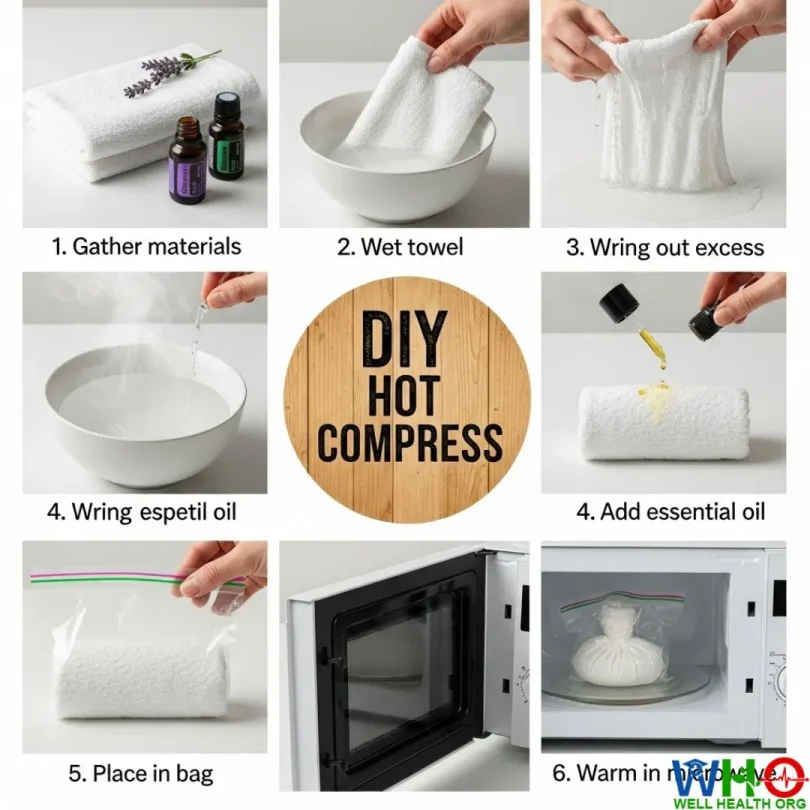
DIY Hot Compress
When your muscles ache, your neck feels stiff, or menstrual cramps leave you doubled over, the last thing you want is to reach for another pill bottle. Sometimes, the most soothing solutions are the simplest ones—and a DIY hot compress is a perfect example. With just a few household materials, you can create a natural, affordable, and deeply relaxing source of relief right at home.
- DIY Hot Compress
- Why Heat Therapy Works: The Science Behind the Soothing Warmth
- What You’ll Need to Make a DIY Hot Compress
- For a Moist Hot Compress:
- For a Dry Hot Compress:
- How to Make a Moist Hot Compress: Two Easy Methods
- Method 1: The Bowl Method
- Method 2: The Microwave Bag Method
- How to Make a Dry Hot Compress (Rice Sock Method)
- Step-by-Step Instructions:
- Safety Tips for Using a Hot Compress
- Adding a Touch of Aromatherapy
- Creative Variations of Hot Compresses
- When to Use (and When to Avoid) a Hot Compress
- The Benefits of a DIY Hot Compress
- Pairing Heat Therapy with Other Natural Remedies
- A Natural Path to Pain Relief
- Conclusion: Discover the Healing Power of Simple Warmth
- Frequently Asked Questions (FAQs)
- Final Thoughts
Heat therapy has been trusted for centuries to calm pain, ease stiffness, and promote faster healing. Whether you’re dealing with sore muscles after a long day, tension headaches from stress, or lingering cramps that won’t quit, a warm compress helps by increasing circulation, loosening tight tissue, and signaling your nervous system to relax.
In this detailed guide, you’ll learn exactly how to make and use a hot compress at home, explore both moist and dry heat methods, and discover safety tips, variations, and expert insights so you can enjoy all the benefits without any risks.
Why Heat Therapy Works: The Science Behind the Soothing Warmth
Before diving into the DIY steps, it helps to understand why a hot compress feels so good. Heat therapy, also known as thermotherapy, works by increasing the temperature of the affected area. This gentle warmth dilates blood vessels, improves circulation, and brings more oxygen and nutrients to the tissues.
That increased blood flow helps flush out metabolic waste that builds up in sore muscles and inflamed joints. At the same time, warmth relaxes the muscle fibers themselves, reducing tension and stiffness. For chronic aches or repetitive strain, a hot compress can also calm nerve irritation by blocking pain signals from traveling to your brain.
According to physiotherapists, moist heat penetrates more deeply than dry heat, making it ideal for deep-seated tension or chronic pain, while dry heat offers longer-lasting comfort and is more convenient for daily use.
Heat therapy can be beneficial for:
- Muscle soreness or stiffness after workouts
- Menstrual cramps and lower abdominal pain
- Tension headaches or migraines
- Arthritis and joint stiffness
- Back pain or neck strain
- Sinus congestion or ear discomfort
- Stress and overall relaxation
What You’ll Need to Make a DIY Hot Compress
Creating a hot compress doesn’t require fancy equipment or expensive materials. You probably already have everything you need at home. The process and materials differ slightly depending on whether you’re making a moist or dry compress.
For a Moist Hot Compress:
- A clean towel or washcloth
- A bowl of water (preferably filtered or distilled for cleanliness)
- A microwave and a microwave-safe ziplock bag (optional alternative method)
For a Dry Hot Compress:
- A clean, long sock (cotton or another heat-safe fabric)
- Uncooked rice, flaxseed, or salt (to retain heat evenly)
- A microwave
Optional additions to both types of compresses include:
- A few drops of essential oils (like lavender, eucalyptus, or peppermint) for added relaxation
- A soft outer cover or small pillowcase to protect your skin from excessive heat
How to Make a Moist Hot Compress: Two Easy Methods
Moist heat is often preferred by physical therapists because it penetrates deeper into muscle tissue. It’s particularly effective for relieving chronic pain, menstrual cramps, and stiff joints. Below are two quick and easy ways to make one at home.
Method 1: The Bowl Method
- Fill a medium-sized bowl with hot (but not boiling) water. The ideal temperature is between 104°F and 113°F (40°C–45°C).
- Submerge a clean towel or washcloth into the water and let it soak for about 30 seconds.
- Carefully remove the towel and wring out the excess water until it’s damp but not dripping.
- Fold the towel into a square and place it on the affected area.
- Re-wet and reapply the compress every 10–15 minutes to maintain consistent warmth.
This method works beautifully when you want instant heat without using the microwave, and it’s especially soothing for abdominal cramps or sinus pressure.
Method 2: The Microwave Bag Method
- Dampen two small towels with water. Wring them out until they’re just slightly moist.
- Place one towel inside a microwave-safe ziplock bag, leaving the bag open slightly so steam can escape.
- Microwave the bag for 1½ to 2 minutes. Use caution when removing it, as it will be hot.
- Seal the bag and wrap the second damp towel around it for added comfort.
- Apply to the sore or tense area for 15–20 minutes.
This method creates a quick, portable heating pad that can stay warm for up to 25 minutes.
How to Make a Dry Hot Compress (Rice Sock Method)
A dry compress is ideal for situations where moisture might be uncomfortable or inconvenient, such as neck stiffness, tension headaches, or lower back pain.
Step-by-Step Instructions:
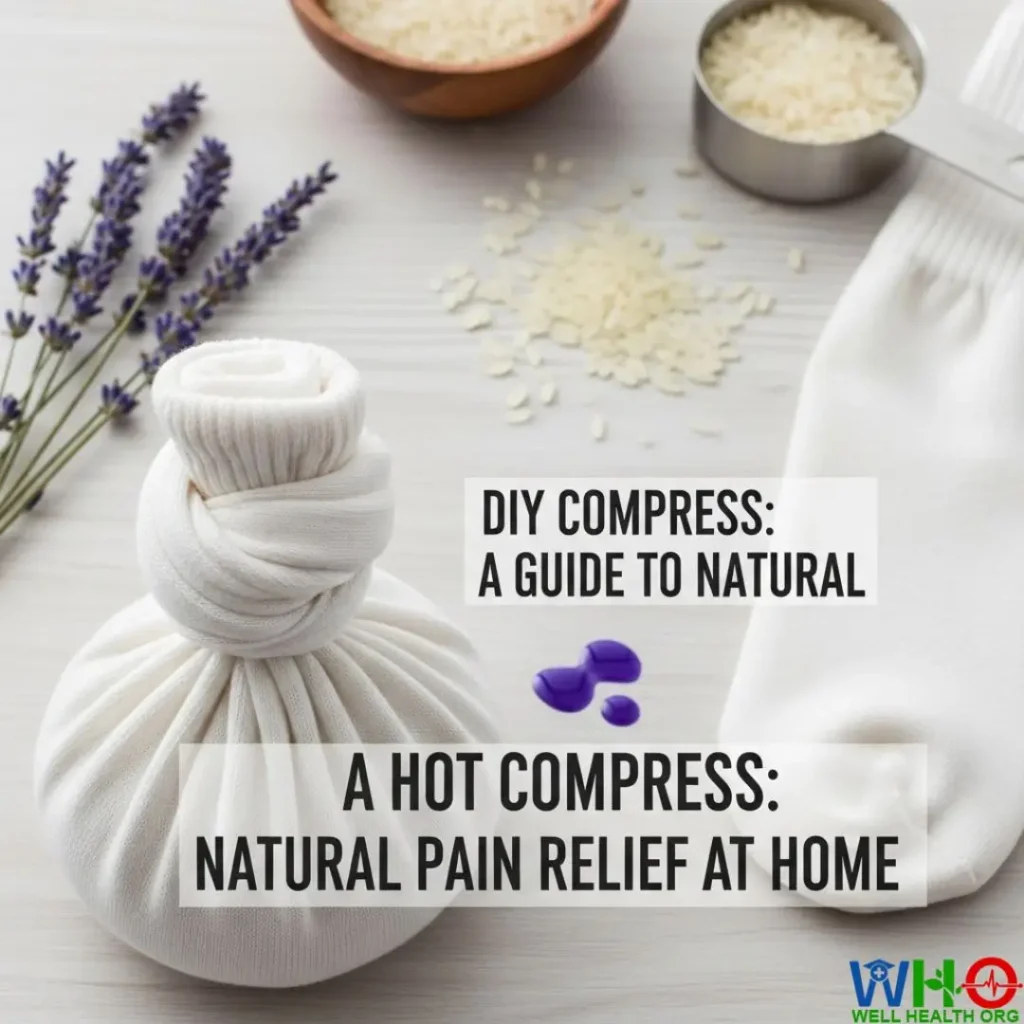
- Take a clean cotton sock or small fabric pouch.
- Fill it about ⅔ full with uncooked rice. You can also use flaxseed, corn, or salt as alternatives—they all retain heat well.
- Tie a tight knot or secure the open end with a rubber band.
- Microwave the sock for 30–45 seconds.
- Carefully remove it and check the temperature on your wrist before applying it to the affected area.
- Reheat in 15-second intervals if you need more warmth.
A rice sock compress typically stays warm for about 20–30 minutes and molds easily to different body parts, making it perfect for the neck, shoulders, or lower abdomen.
For an extra touch of aromatherapy, mix in dried herbs or essential oils before sealing your compress. Lavender promotes relaxation, while eucalyptus helps open airways for sinus relief.
Safety Tips for Using a Hot Compress
Heat therapy is simple, but using it incorrectly can lead to burns, irritation, or worsened inflammation. Here’s how to use your compress safely and effectively:
- Always test the temperature first. The skin on your wrist or inner arm is a good test area. It should feel comfortably warm, not hot.
- Use a protective barrier. Never apply a hot compress directly to the skin—wrap it in a thin towel or cloth first.
- Limit use to 15–20 minutes at a time. Longer exposure can cause redness or irritation.
- Avoid using heat on fresh injuries. If you’ve just sprained an ankle, strained a muscle, or have visible swelling, use a cold compress for the first 48 hours instead.
- Don’t use on broken skin or infections. Heat can worsen inflammation or spread bacteria.
- Stay alert. Never fall asleep with a hot compress in place.
- Consult a healthcare professional if you have diabetes, neuropathy, circulatory problems, or skin sensitivity before using heat therapy.
- Supervise children and elderly users. Their skin may be thinner or less sensitive to temperature changes.
Adding a Touch of Aromatherapy
Want to take your heat therapy up a notch? Combine your hot compress with essential oils or herbs for an enhanced sensory experience. Here are a few combinations you can try:
| Purpose | Essential Oil / Herb | Benefit |
|---|---|---|
| Relaxation | Lavender | Calms nerves, promotes sleep |
| Pain Relief | Peppermint | Provides a cooling, analgesic sensation |
| Sinus Relief | Eucalyptus | Clears nasal passages and reduces congestion |
| Menstrual Cramps | Clary Sage | Eases uterine spasms and discomfort |
| Stress Relief | Chamomile | Soothes anxiety and muscle tension |
Simply add 2–3 drops of your chosen essential oil to your rice sock or towel before heating. Be sure not to oversaturate the fabric, as oils can burn or cause irritation.
Creative Variations of Hot Compresses
You can personalize your compress to fit your needs. Here are a few ideas:
- Herbal Compress: Wrap dried herbs like lemongrass, ginger, or turmeric in cotton and heat it. This traditional Thai-style compress soothes sore muscles and invigorates the senses.
- Weighted Heat Pad: Fill your fabric pouch with rice and a few tablespoons of dried beans for extra weight and pressure.
- Reusable Fabric Packs: Sew a small pillow-style pouch from old cotton shirts or towels. It’s eco-friendly and easy to reheat.
- DIY Eye Compress: Use a smaller version with flaxseed for relieving tired eyes or sinus pressure.
When to Use (and When to Avoid) a Hot Compress
A hot compress can be a wonderful part of your home care routine—but it’s not suitable for every situation.
Use heat for:
- Chronic pain or stiffness
- Sore muscles after exercise
- Menstrual or abdominal cramps
- Tension headaches or neck pain
- Arthritis-related stiffness
Avoid heat if you have:
- Recent injury or visible swelling
- Open wounds, bruises, or infections
- Deep vein thrombosis (DVT) or circulatory problems
- Sensory nerve damage (can’t feel temperature properly)
If you’re unsure, always consult your healthcare provider before applying heat.
The Benefits of a DIY Hot Compress
- Natural pain relief: No need for medication; warmth naturally reduces pain and tension.
- Promotes circulation: Increases oxygen delivery to sore muscles for faster recovery.
- Relieves stress: The gentle heat helps calm the body and mind.
- Affordable and sustainable: Made with simple, reusable materials.
- Customizable: Adjust temperature, scent, and size to your needs.
Regular use can improve flexibility, reduce chronic tension, and even promote better sleep.
Pairing Heat Therapy with Other Natural Remedies
For even greater relief, combine your hot compress routine with these simple self-care techniques:
- Gentle stretching after using heat helps loosen muscles further.
- Hydration supports tissue repair and reduces inflammation.
- Massage therapy before or after applying heat can enhance muscle relaxation.
- Magnesium-rich foods (like spinach, bananas, and almonds) help prevent cramps.
- Deep breathing exercises during your heat session reduce stress and improve oxygen flow.
A Natural Path to Pain Relief
A DIY hot compress is proof that simple, time-tested remedies can still deliver incredible results. Whether you prefer the penetrating moisture of a warm towel or the long-lasting comfort of a rice sock, this easy home treatment can relieve sore muscles, calm cramps, and soothe your body in minutes.
Best of all, it’s safe, affordable, and fully customizable. By following the steps and precautions above, you can enjoy the soothing benefits of heat therapy anytime—without needing expensive equipment or medication.
So, the next time discomfort strikes, skip the pills and reach for your homemade hot compress instead. Your body—and your wallet—will thank you.
Conclusion: Discover the Healing Power of Simple Warmth
A DIY hot compress might seem like an old-fashioned remedy, but sometimes, the simplest solutions are the most effective. Whether you’re struggling with stiff muscles after a workout, tension headaches from long work hours, or menstrual cramps that just won’t ease up, the gentle warmth of a homemade compress can offer deep, natural relief.
What makes this method so powerful is its combination of accessibility, safety, and versatility. With materials you already have at home—a towel, a sock, and some rice—you can create an instant comfort tool that eases pain, improves circulation, and relaxes your entire body. Moist compresses penetrate deep into sore tissues, while dry versions are clean, portable, and perfect for everyday use.
Beyond physical benefits, warmth also brings emotional comfort. It signals your nervous system to relax, reduces tension, and even helps you unwind after a stressful day. By integrating this simple self-care practice into your routine, you’re not just treating discomfort—you’re promoting overall well-being.
Of course, safety always comes first. Always test the temperature, avoid direct skin contact with extreme heat, and never use heat on fresh injuries or open wounds. When used correctly, your homemade hot compress can become one of the most trusted remedies in your natural wellness toolkit.
So, before you reach for medication, try heat therapy. This soothing, budget-friendly approach has been used for centuries—and for good reason. Sometimes, all your body really needs is a little warmth.
Frequently Asked Questions (FAQs)
1. How long should I leave a hot compress on?
Apply the hot compress for 15–20 minutes at a time. This duration is enough to relax muscles and improve blood flow without irritating your skin. If you need longer relief, allow your skin to rest for 10–15 minutes between applications.
2. Can I reuse my rice sock compress?
Yes! A rice sock can be reused many times. Just ensure it stays dry and clean. If it develops an unpleasant odor, you can sprinkle a little baking soda inside before microwaving or replace the rice completely.
3. Which is better—moist or dry heat?
It depends on your needs. Moist heat (like a warm towel) penetrates deeper, making it ideal for chronic pain or muscle stiffness. Dry heat (like a rice sock) provides longer-lasting warmth and is more convenient for daily use or when you don’t want added moisture.
4. Can I add essential oils to my compress?
Absolutely. Essential oils can enhance your heat therapy experience. Add 2–3 drops of lavender, eucalyptus, or peppermint oil to your compress for added relaxation and aromatherapy benefits. However, avoid direct skin contact with undiluted oils, as they can cause irritation when heated.
5. Is it safe to use a hot compress during pregnancy?
Yes—but with caution. A warm compress can help relieve back pain and tension during pregnancy, but it should never be too hot or placed directly on the abdomen. Always consult your healthcare provider before using heat therapy while pregnant.
6. Can I use a hot compress for swelling or new injuries?
No. For recent injuries, sprains, or swelling, use a cold compress during the first 48 hours to reduce inflammation. After swelling subsides, you can switch to heat therapy to promote healing and relaxation.
7. How often can I use a hot compress?
You can safely use a hot compress 2–3 times daily for chronic pain or tension. Listen to your body—if your skin becomes red, irritated, or overly sensitive, take a break.
8. Why does heat help with menstrual cramps?
Heat increases blood flow to the uterus and relaxes the muscles that cause cramping. Applying a warm compress or heating pad to your lower abdomen can significantly ease menstrual discomfort, often as effectively as over-the-counter pain medication.
9. Can I use my DIY hot compress for sinus congestion?
Yes! A warm, moist compress placed over your sinuses (forehead and nose area) helps open nasal passages, reduce pressure, and promote drainage. Add a few drops of eucalyptus oil for an even more soothing effect.
10. What’s the best fabric for a homemade heat pack?
Choose natural fibers like cotton or linen—they’re breathable and can safely withstand heat. Avoid synthetic materials, as they may melt or release harmful chemicals when microwaved.
Final Thoughts
Your DIY hot compress is more than a home remedy—it’s a reminder that nature’s simplest therapies often bring the deepest comfort. With minimal effort and no side effects, you can ease tension, soothe pain, and nurture both body and mind.
So the next time life leaves you sore, stressed, or stiff, skip the pills and reach for your homemade compress. Sometimes, all healing needs is a little warmth, a quiet moment, and a touch of self-care.
Medically Reviewed by Prof. Dr. Akram
Orthopedic Surgeon | Professor | Senior Medical Specialist
Prof. Dr. Akram is a distinguished surgeon with over 15 years of clinical expertise. Having served as a lead Emergency Specialist at Complex International Government Hospital, he currently leads a specialized team of 13 medical professionals at his private hospital. As a Professor at top medical universities, he ensures that every article on WellHealthOrg.com meets rigorous clinical standards.
Medical Disclaimer:
The information provided is for educational purposes only and is not a substitute for professional medical advice, diagnosis, or treatment. Always consult your physician for any medical concerns.
Our content is rigorously fact-checked by our 13-member Editorial Team under the clinical supervision of Prof. Dr. Akram.







