
Middle ear infections can appear suddenly, bringing that familiar throbbing pain, a heavy pressure deep inside the ear, and a frustrating sense of muffled hearing. Whether you are comforting a child in distress or dealing with an ear infection yourself, the discomfort can be overwhelming. While many middle ear infections resolve naturally without the need for antibiotics, the symptoms can make even simple tasks feel unbearable — which is why people often turn to home remedies for comfort and fast relief.
- Understanding Middle Ear Infections
- A Closer Look at How Ear Infections Develop
- Causes and Symptoms
- Common Causes Include:
- Typical Symptoms of Middle Ear Infections
- A Real-Life Example
- Risk Factors
- Factors That Increase the Risk Include:
- 5 Safe & Effective Home Remedies
- 1. Apply a Warm Compress
- Why It Works
- How to Use a Warm Compress Effectively
- Warm + Cold Alternating Therapy
- 2. Use Over-the-Counter Pain Relievers
- Why OTC Pain Relievers Are Helpful
- Recommended Options
- Important Precautions
- A Note on Fever
- 3. Try Nasal Irrigation
- Why Nasal Irrigation Works
- How to Perform Nasal Irrigation Safely
- Important Safety Tips
- Additional Ways to Reduce Congestion
- 4. Consider Garlic-Infused Oil
- Why Garlic Is Used in Ear Remedies
- How to Use Garlic-Infused Oil Safely (External Use Only)
- Why the Oil Should Not Be Placed Inside the Ear
- 5. Explore Chiropractic Care
- Why Some People Try Chiropractic Adjustments
- What Chiropractic Care Typically Involves
- Important Precautions
- Know When to See a Doctor
- When Symptoms Persist
- Signs That Require Immediate Medical Attention
- Special Considerations for Infants
- Why Medical Care Matters
- Take Steps to Prevent Future Infections
- 1. Practice Good Hygiene
- 2. Stay Up to Date on Vaccinations
- 3. Avoid Secondhand Smoke
- 4. Breastfeed When Possible
- 5. Manage Allergies Effectively
- 6. Encourage Upright Feeding for Babies
- 7. Promote a Healthy Environment
- 8. Build Strong Immunity
- Your Path to Earache Relief
- Frequently Asked Questions (FAQs)
- 1. How long does a middle ear infection typically last?
- 2. Can I fly on an airplane if I have an ear infection?
- 3. Are antibiotics always necessary for ear infections?
- 4. Does pulling on the ear indicate an infection in children?
- 5. Can middle ear infections be prevented naturally?
What many don’t realize is that safe, effective, and soothing remedies do exist. These natural methods don’t replace medical care when it’s needed, but they can support healing and significantly reduce discomfort. This comprehensive guide not only rewrites your original content but expands it into a deeply detailed, human-centered resource you can trust. You’ll find clear explanations, practical applications, real-world tips, and insights into when home care is appropriate — and when medical help becomes essential.
Understanding Middle Ear Infections
A middle ear infection — or otitis media — occurs when the space behind the eardrum becomes inflamed, often due to fluid buildup. This small pocket, normally filled with air, can become a warm environment where viruses or bacteria flourish. When this happens, the body’s inflammatory response increases pressure in the ear, and that’s when the pain, congestion, and muffled hearing begin.
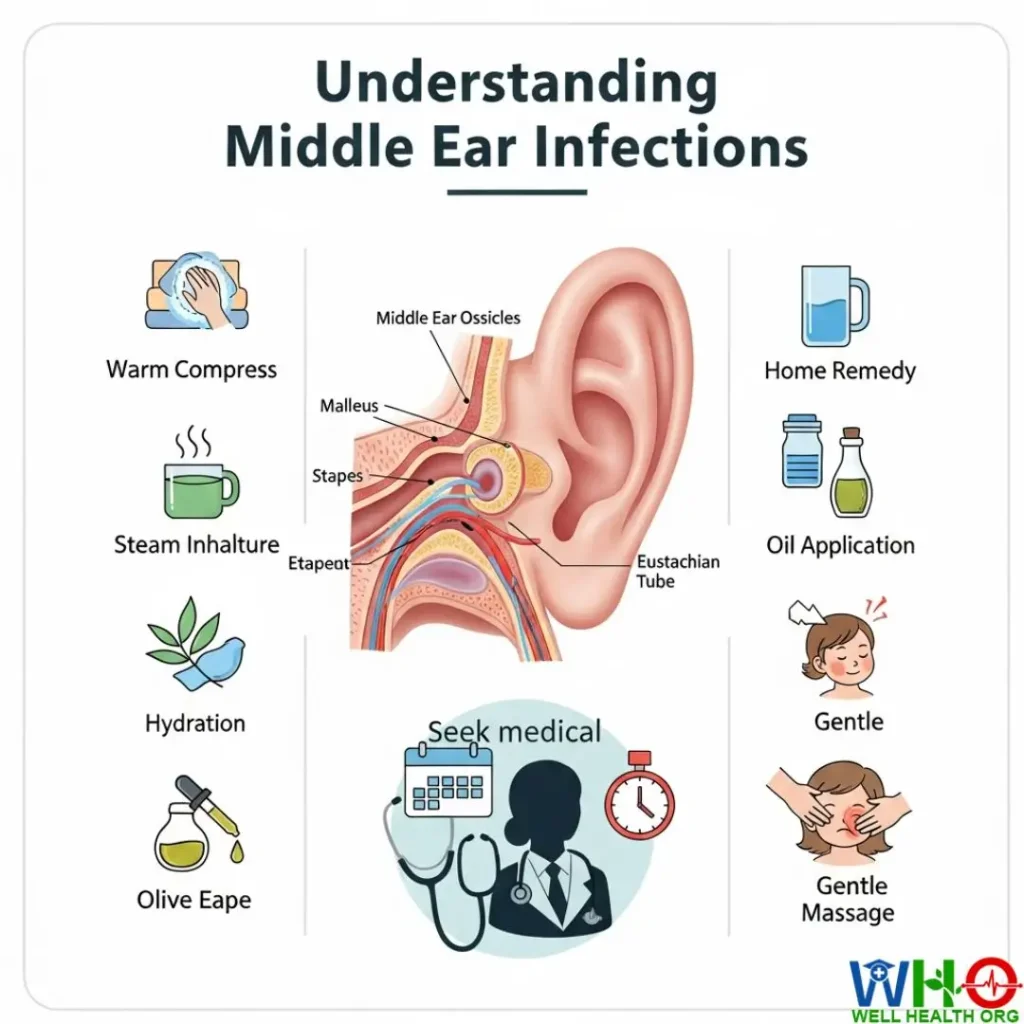
What causes this fluid buildup? In most cases, it starts with the eustachian tubes, the tiny channels that drain fluid from the middle ear into the throat. When these tubes become blocked—often due to a cold, sinus infection, or allergies—fluid can no longer drain effectively. The trapped liquid creates the perfect breeding ground for infection.
A Closer Look at How Ear Infections Develop
Middle ear infections often begin subtly. A runny nose becomes congestion, congestion becomes sinus pressure, and before long, the ear may start to feel plugged. When the eustachian tubes swell shut, pressure builds behind the eardrum. Imagine trying to open a sealed bottle that’s been shaken — that tight, pressurized feeling is similar to what happens during an ear infection.
Children are especially prone to this situation because their eustachian tubes are shorter and more horizontal than adults’, making them much easier to block. That’s why ear infections are so common during childhood — especially after colds, seasonal allergies, or exposure to irritants like cigarette smoke.
Causes and Symptoms
While eustachian tube dysfunction is the primary cause, the underlying triggers vary. Viral colds, bacterial infections, allergies, and even sudden pressure changes (like airplane takeoff) can contribute.
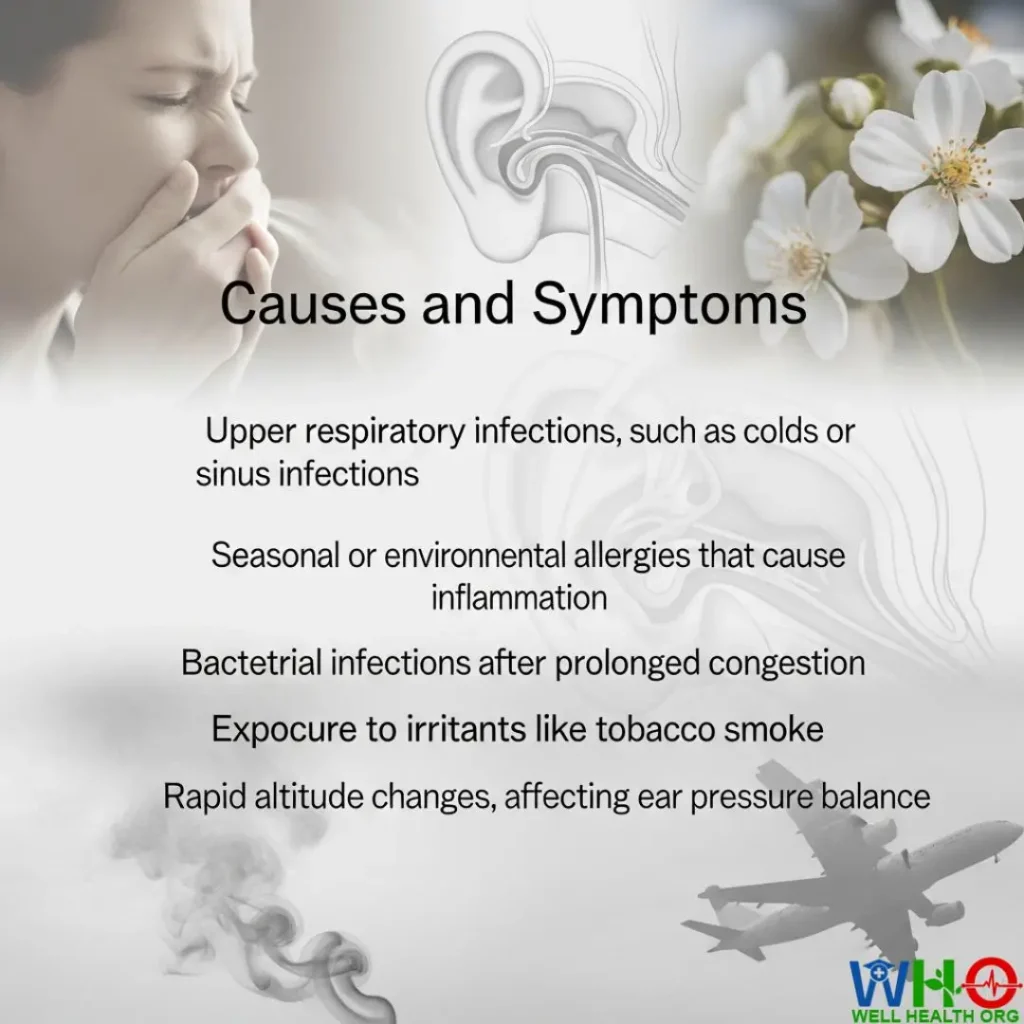
Common Causes Include:
- Upper respiratory infections, such as colds or sinus infections
- Seasonal or environmental allergies that cause inflammation
- Bacterial infections after prolonged congestion
- Exposure to irritants like tobacco smoke
- Rapid altitude changes, affecting ear pressure balance
While the causes are varied, the symptoms tend to be consistent and recognizable.
Typical Symptoms of Middle Ear Infections
Many individuals first notice the sensation of fullness or pressure. This feeling may come and go or intensify rapidly. Other symptoms may include:
- Persistent or sharp ear pain
- Muffled or reduced hearing due to fluid buildup
- A feeling of blockage or fullness within the ear
- Fever, especially in children
- Ear drainage, which may signal a ruptured eardrum
- Irritability, restlessness, or sleep trouble (common in infants and toddlers)
In adults, the pain is often more localized and intense, while children may simply tug at the affected ear or become unusually fussy.
A Real-Life Example
Imagine a child who wakes in the middle of the night crying inconsolably, refusing to lie on one side, or pressing a pillow against their ear for comfort. Parents often describe this as one of the most stressful experiences because the pain can appear suddenly and severely. Adults, on the other hand, may feel a deep, throbbing ache accompanied by a strange echoing sensation when talking or chewing.
Risk Factors
Although anyone can develop a middle ear infection, some people are more susceptible than others.

Factors That Increase the Risk Include:
- Age (infants and young children are most vulnerable)
- Recent respiratory infections, such as the flu or a cold
- Seasonal allergies, which cause inflammation and congestion
- Exposure to tobacco smoke or air pollution
- Bottle-feeding while lying down, which can affect pressure in infants
- Family history of frequent ear infections
- Attending daycare, increasing exposure to viruses
Children between six months and two years old experience the highest rates of ear infections due to their developing immune systems and ear anatomy. Recognizing these risk factors can help parents and adults take preventive steps, especially during peak cold and flu seasons.
5 Safe & Effective Home Remedies
When ear pain strikes, natural home remedies can offer meaningful relief while the body works to clear the infection. These remedies don’t kill bacteria or replace medical treatment, but they ease inflammation, promote drainage, and help manage discomfort.

Let’s explore each remedy in detail, including how to use it and what to expect.
1. Apply a Warm Compress
A warm compress is one of the most widely trusted and gentle methods for soothing ear discomfort. The deep warmth relaxes the small muscles around the ear, increases blood circulation, and helps relieve the dull, throbbing pain that often accompanies middle ear infections.
Why It Works
Heat stimulates blood flow, bringing oxygen and nutrients to the affected area. Increased circulation encourages fluid drainage, which helps reduce the pressure behind the eardrum.
If you’ve ever placed your hands around a sore muscle and felt instant comfort, the same idea applies here — warmth encourages the tissue to relax and reduces tension inside the middle ear.
How to Use a Warm Compress Effectively
- Wet a clean washcloth with comfortably warm water (avoid high heat).
- Wring out excess water so it doesn’t drip.
- Place the warm cloth gently over the outer ear.
- Keep it in place for 10–15 minutes.
- Repeat several times a day as needed.
Some people prefer using a warm heating pad wrapped in a towel, but always keep the temperature moderate, especially for children, to avoid burns.
Warm + Cold Alternating Therapy
Alternate between a warm compress and a cold compress to reduce swelling while easing pain.
- Apply warmth for 15 minutes
- Switch to a cold pack wrapped in a towel for another 10 minutes
- Repeat as needed
This contrast method can be especially helpful for sharp, pulsing pain.
2. Use Over-the-Counter Pain Relievers
Over-the-counter (OTC) pain relievers are often the first line of defense when middle ear infections cause intense discomfort. These medications don’t cure the infection, but they significantly reduce pain, lower fever, and make rest easier — which is essential because quality sleep supports the immune system’s ability to fight infections naturally.
Why OTC Pain Relievers Are Helpful
Middle ear infections cause inflammation around the eardrum, leading to pressure buildup and nerve irritation. Pain relievers like acetaminophen and ibuprofen work by reducing inflammation and blocking the brain’s pain signals. For many people, this can bring relief within 20–40 minutes, making them a reliable and accessible remedy.
They also help manage fever, which is common in both adults and children during an ear infection. A high temperature can make children more irritable and adults more fatigued, so managing fever improves overall comfort.
Recommended Options
- Ibuprofen (Advil, Motrin)
Effective for pain and inflammation. Suitable for adults and children (with proper dosing). - Acetaminophen (Tylenol)
Ideal for reducing pain and fever, especially for individuals who cannot take ibuprofen.
Both medications are widely used and generally safe when taken as directed.
Important Precautions
Because ear infections commonly affect children, it’s essential to keep safety in mind:
✔ Always read and follow the dosage instructions.
✔ Use age-specific formulations for infants and children.
✔ Never give ibuprofen to infants under six months unless a doctor approves.
✔ Avoid doubling up. Some cold and flu medicines already contain acetaminophen or ibuprofen.
✔ Consult a doctor before giving any medication to a child under two years old.
✔ Do not use aspirin for children — it is associated with Reye’s syndrome.
Parents often find that alternating acetaminophen and ibuprofen (with a doctor’s guidance) helps manage persistent pain, especially at bedtime. However, this method should only be used if a healthcare professional approves the timing and dosages.
A Note on Fever
A fever during an ear infection isn’t always dangerous — it’s often a sign that the body is fighting the infection. However, fevers above 102.2°F (39°C), or those lasting more than two days, should be evaluated by a doctor.
3. Try Nasal Irrigation
Because middle ear infections often develop after congestion, clearing the sinuses can help relieve pressure in the ears. Nasal irrigation is one of the most effective home remedies for reducing sinus blockage, thinning mucus, and improving airflow through the nasal passages.
Why Nasal Irrigation Works
The eustachian tubes rely on normal nasal airflow to function properly. When mucus builds up in the sinuses, these tubes can’t drain efficiently, creating pressure in the middle ear.
Nasal irrigation:
- Flushes out excess mucus
- Removes allergens and irritants
- Reduces inflammation
- Improves breathing
- Helps normalize ear pressure
Many people notice that after performing a saline rinse, their ears “pop” or feel less full — a sign of improved drainage.
How to Perform Nasal Irrigation Safely
You can use a neti pot, squeeze bottle, or sterile saline spray. Follow these steps:
- Use sterile saline solution (distilled, boiled and cooled, or pre-packaged).
- Lean over the sink with your head slightly tilted to one side.
- Pour the solution into one nostril.
- Allow it to flow through the nasal passage and out the opposite nostril.
- Gently blow your nose to clear remaining fluid.
- Repeat on the other side.
Important Safety Tips
- Never use tap water in a neti pot unless boiled and cooled.
- Clean your device thoroughly after each use.
- Do not perform nasal irrigation if you have a severe nosebleed or blocked nasal passage.
Additional Ways to Reduce Congestion
Nasal irrigation works even better when paired with humidity and gentle steam:
✔ Use a cool-mist humidifier in the bedroom
✔ Inhale steam from a warm shower
✔ Drink warm fluids like tea or broth to thin mucus
✔ Elevate the head during sleep to improve drainage
These practices support sinus health and can indirectly alleviate middle ear pressure.
4. Consider Garlic-Infused Oil
Garlic has long been used in traditional medicine due to its natural antibacterial, antiviral, and anti-inflammatory properties. While garlic does not directly treat middle ear infections inside the ear, it may help reduce irritation around the outer ear and provide a comforting warming sensation when applied properly.
Why Garlic Is Used in Ear Remedies
Garlic contains allicin — a compound known for its antimicrobial benefits. Some people believe that when garlic-infused oil is applied externally, it may help reduce inflammation in the surrounding tissues and soothe the area.
This remedy must be used carefully, however. Middle ear infections occur behind the eardrum, where oil cannot reach. For this reason, nothing should be placed inside the ear canal without a doctor’s approval, especially when symptoms could indicate a ruptured eardrum.
How to Use Garlic-Infused Oil Safely (External Use Only)
- Lightly warm a small amount of olive oil with one crushed garlic clove.
- Allow the mixture to cool to a warm—not hot—temperature.
- Dip a clean cotton ball into the oil.
- Apply gently around the outer ear, avoiding the canal itself.
- Use once or twice daily for mild relief.
Why the Oil Should Not Be Placed Inside the Ear
Despite being a popular online remedy, putting oils directly into the ear canal can:
- Obstruct the canal and worsen pain
- Increase the risk of infection if the canal is irritated
- Be unsafe if the eardrum is perforated
- Provide no real access to the middle ear
Most ear, nose, and throat specialists advise avoiding placing any homemade remedy inside the ear. Applying garlic-infused oil externally, however, can still feel soothing.
5. Explore Chiropractic Care
Chiropractic care is considered a complementary therapy for easing ear infection symptoms, especially when related to tension or misalignment around the upper neck and jaw.
Why Some People Try Chiropractic Adjustments
The theory is that misalignments (subluxations) in the cervical spine may affect nerve signals involved in the function of the eustachian tubes. When these nerves are under stress, the tubes may not drain fluid efficiently, increasing the risk of middle ear pressure and infections.
Although research is mixed and still developing, many parents report that chiropractic adjustments help their children experience improved drainage and less discomfort.
What Chiropractic Care Typically Involves
A chiropractor may:
- Assess the alignment of the upper spine and neck
- Perform gentle adjustments
- Apply light pressure techniques for infants and children
- Teach posture and muscle relaxation exercises
- Provide guidance on supporting lymphatic drainage
Important Precautions
Chiropractic care should never replace medical treatment for a confirmed or severe ear infection. Instead, it can be used as a supportive therapy.
If you decide to try this option:
✔ Choose a licensed, experienced chiropractor
✔ Ensure they specialize in pediatrics if treating a child
✔ Inform them of any recent injuries, medical conditions, or chronic ear problems
Many families use chiropractic care alongside traditional home remedies to encourage better drainage and reduce recurring infections.
Know When to See a Doctor
While home remedies can provide meaningful and comforting relief, they are not a substitute for professional medical evaluation—especially when symptoms worsen or fail to improve. Middle ear infections vary widely in severity. Some resolve naturally within a couple of days, while others may require antibiotics or additional medical care to prevent complications.

Understanding when to seek help is a crucial part of safely managing ear infections.
When Symptoms Persist
If ear pain continues for more than 48 to 72 hours despite using home remedies, it’s time to consult a healthcare professional. Persistent pain may indicate that the infection is bacterial rather than viral, or that excess fluid is trapped behind the eardrum and needs medical attention.
Some individuals experience recurrent ear infections due to chronic sinus issues, allergies, or structural differences in the ear. In these cases, a doctor may suggest a long-term management plan to reduce future episodes.
Signs That Require Immediate Medical Attention
Certain symptoms should never be ignored. Seek prompt care if you or your child experience:
- Severe or worsening ear pain that does not respond to OTC medication
- High fever, especially above 102.2°F (39°C)
- Fluid, blood, or pus draining from the ear, which could signal a ruptured eardrum
- Sudden hearing loss, which may indicate significant fluid buildup or damage
- Dizziness or vertigo, suggesting the inner ear may be affected
- Severe headache accompanying ear symptoms
- Facial weakness or asymmetry, which may point to nerve involvement
These symptoms can indicate complications such as mastoiditis, chronic ear disease, or a more advanced infection.
Special Considerations for Infants
Infants under six months old should always be evaluated by a healthcare provider at the first sign of a possible ear infection. Babies have immature immune systems and smaller anatomical structures, which can make infections progress more quickly. Early evaluation ensures safe and effective treatment.
Parents should watch for signs such as:
- Excessive crying
- Ear pulling
- Difficulty feeding
- Trouble sleeping
- Irritability or restlessness
- Fever
Even subtle changes can indicate discomfort or pressure in a baby’s middle ear.
Why Medical Care Matters
A healthcare provider can examine the eardrum with an otoscope, identify the cause of symptoms, and determine whether antibiotics or other interventions are necessary. Most middle ear infections in children resolve without antibiotics, but in certain situations—especially when symptoms are severe or prolonged—medication can prevent complications.
Timely care ensures that temporary discomfort doesn’t escalate into long-term hearing problems or chronic infections.
Take Steps to Prevent Future Infections
Taking preventive steps can significantly reduce the chance of future middle ear infections. Because many cases develop after colds, sinus congestion, or allergy flare-ups, prevention focuses on supporting the immune system and maintaining healthy ear and nasal function.

1. Practice Good Hygiene
Handwashing is one of the simplest and most effective ways to reduce the spread of viruses that lead to colds—and subsequently, ear infections. Encourage frequent handwashing before eating, after sneezing, and after being in public spaces.
2. Stay Up to Date on Vaccinations
Vaccines such as the influenza vaccine and pneumococcal vaccine play a role in reducing ear infections by preventing illnesses that commonly trigger them. Children who receive recommended vaccinations tend to experience fewer ear-related complications.
3. Avoid Secondhand Smoke
Exposure to cigarette smoke, even in small amounts, irritates the eustachian tubes and increases the likelihood of fluid buildup in the middle ear. Infants and young children are particularly vulnerable, and eliminating smoke exposure can dramatically lower their risk.
4. Breastfeed When Possible
Breast milk contains antibodies that help strengthen a baby’s immune system. Infants who are breastfed for at least six months generally experience fewer infections of all types, including otitis media.
5. Manage Allergies Effectively
Allergies contribute to inflammation in the nose and sinuses. When left unmanaged, they can cause chronic congestion, making eustachian tube blockages more likely. Identifying triggers, using appropriate medications, and reducing exposure to allergens can significantly reduce the frequency of ear infections.
6. Encourage Upright Feeding for Babies
Feeding infants while they are lying flat can cause milk to flow toward the eustachian tubes, increasing the risk of infection. Keeping a baby upright during feeding helps prevent fluid from entering the tubes.
7. Promote a Healthy Environment
A clean, well-ventilated home with a balanced humidity level helps support respiratory health. Dry air can irritate nasal passages, while overly humid environments can encourage mold growth. Using a humidifier during dry seasons can help maintain a comfortable balance.
8. Build Strong Immunity
Healthy habits strengthen the body’s natural defenses. Encourage:
- A nutrient-rich diet
- Consistent sleep schedules
- Adequate hydration
- Regular physical activity
A well-supported immune system is less susceptible to the viruses and infections that often lead to ear problems.
Your Path to Earache Relief
Middle ear infections can disrupt daily life, but understanding how to manage the symptoms makes a world of difference. Home remedies like warm compresses, OTC pain relievers, and nasal irrigation can offer gentle yet effective relief, helping the body recover while easing discomfort.
However, the key to safe home treatment is knowing your limits: if symptoms worsen or do not improve, medical care is essential. Ear infections are common, but they should never be ignored when pain becomes severe or unusual symptoms appear.
By combining smart home care with informed decision-making, you can navigate ear infections confidently—whether you’re caring for a child or managing symptoms yourself. Relief is possible, and with the right approach, healing often comes sooner than expected.
Frequently Asked Questions (FAQs)
1. How long does a middle ear infection typically last?
Most middle ear infections resolve within two to three days, especially if caused by a virus. Some symptoms, like muffled hearing or mild ear fullness, may linger for a week or more while fluid drains.
2. Can I fly on an airplane if I have an ear infection?
Flying with an ear infection can be uncomfortable due to pressure changes. If you must fly, use nasal decongestants or perform swallowing exercises during takeoff and landing to reduce pressure. Avoid travel if pain is severe.
3. Are antibiotics always necessary for ear infections?
No. Many ear infections, especially viral ones, improve on their own. Antibiotics are typically prescribed only when symptoms persist or become severe.
4. Does pulling on the ear indicate an infection in children?
Ear pulling can suggest discomfort, but it doesn’t always mean infection. Teething, fatigue, or curiosity can also cause this behavior. Seek medical advice if ear pulling is accompanied by fever or irritability.
5. Can middle ear infections be prevented naturally?
Yes. Supporting immune health, managing allergies, practicing good hygiene, and avoiding secondhand smoke can significantly reduce the risk of infections.
Medically Reviewed by Prof. Dr. Akram
Orthopedic Surgeon | Professor | Senior Medical Specialist
Prof. Dr. Akram is a distinguished surgeon with over 15 years of clinical expertise. Having served as a lead Emergency Specialist at Complex International Government Hospital, he currently leads a specialized team of 13 medical professionals at his private hospital. As a Professor at top medical universities, he ensures that every article on WellHealthOrg.com meets rigorous clinical standards.
Medical Disclaimer:
The information provided is for educational purposes only and is not a substitute for professional medical advice, diagnosis, or treatment. Always consult your physician for any medical concerns.
Our content is rigorously fact-checked by our 13-member Editorial Team under the clinical supervision of Prof. Dr. Akram.