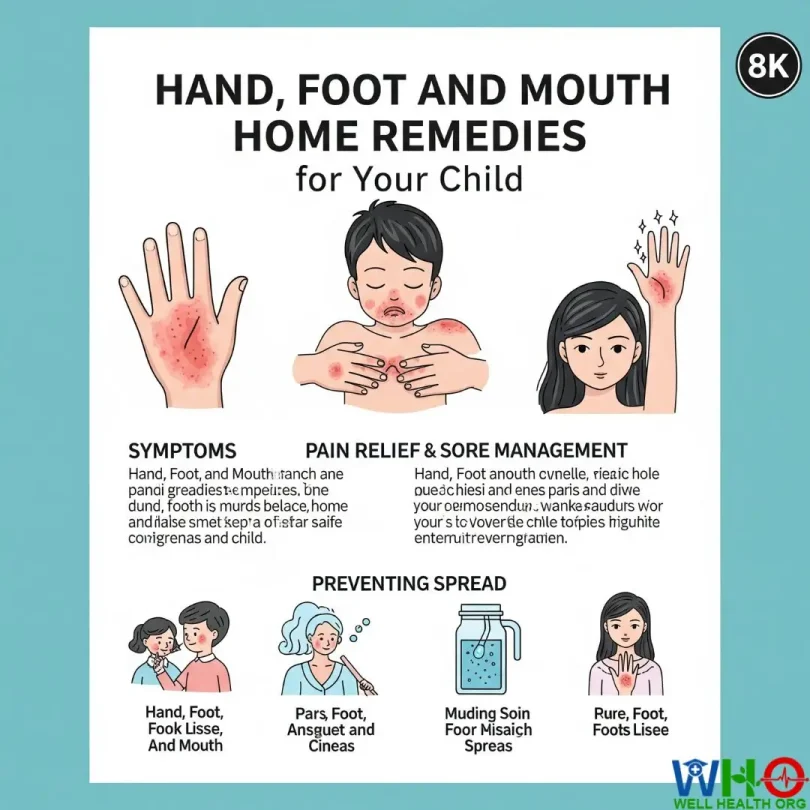
Hand Foot and Mouth Disease (HFMD) can turn an otherwise ordinary week into a stressful one for families, especially when it strikes young children who don’t yet have the words to express how uncomfortable they feel. The fever, rash, and painful mouth sores can make even the calmest little one irritable and fatigued. While HFMD is typically mild and clears up on its own, the symptoms often feel anything but mild to a child going through it. That’s why understanding how to soothe discomfort at home can make a big difference—not only in your child’s recovery but in your peace of mind as a parent.
- Understanding Hand, Foot, and Mouth Disease (HFMD)
- Common Symptoms of HFMD
- Fever and Flu-Like Symptoms
- Painful Mouth Sores (Herpangina)
- Skin Rash or Blisters
- General Discomfort
- How HFMD Spreads
- 1. Close Personal Contact
- 2. Respiratory Droplets
- 3. Contact With Fluid From Blisters
- 4. Contaminated Objects and Surfaces
- Why HFMD Spreads So Easily Among Children
- Home Remedies for Hand, Foot, and Mouth Disease
- Soothing Painful Mouth Sores
- 1. Offer Cool, Soothing Foods and Drinks
- 2. Avoid Foods That Trigger Pain
- 3. Use a Saltwater Rinse (For Older Children)
- 4. Keep the Mouth Moist
- Managing Pain and Fever
- 1. Use Appropriate Pain Relievers
- 2. Consider Topical Mouth Pain Relief (With Caution)
- Caring for the HFMD Skin Rash
- 1. Keep the Rash Area Clean
- 2. Never Pop Blisters
- 3. Apply Soothing Skin Ointments
- 4. Keep Your Child Comfortable
- The Importance of Hydration During HFMD
- 1. Offer Fluids Frequently
- 2. Use Hydrating Foods When Possible
- 3. Watch for Signs of Dehydration
- 4. Keep Drinks Non-Irritating
- When to See a Doctor for HFMD
- 1. Signs of Dehydration Appear
- 2. Symptoms Last Longer Than Expected
- 3. Your Child Has a Weakened Immune System
- 4. Infants Under Six Months Are Affected
- 5. A High Fever Persists
- 6. Your Child Shows Neurological Symptoms
- Preventing the Spread of HFMD at Home
- 1. Wash Hands Frequently
- 2. Disinfect High-Touch Surfaces Daily
- 3. Avoid Close Contact While Sick
- 4. Avoid Sharing Personal Items
- 5. Practice Respiratory Etiquette
- 6. Keep Toys Clean
- Your Path to Recovery and Peace of Mind
- Frequently Asked Questions
- 1. How long does HFMD last?
- 2. Can adults catch HFMD from children?
- 3. Is HFMD dangerous?
- 4. Can kids get HFMD more than once?
- 5. When can a child return to school or daycare?
This fully rewritten and expanded guide dives deep into what HFMD is, how it spreads, and the most effective home remedies to bring relief. You’ll also learn when it’s time to see a doctor, how to prevent the virus from spreading within your household, and what practical steps can help your family navigate this phase smoothly. Whether you’re caring for an infant, toddler, or school-aged child, this resource aims to provide clarity, comfort, and confidence every step of the way.
Understanding Hand, Foot, and Mouth Disease (HFMD)
Hand, Foot, and Mouth Disease is a common viral illness primarily affecting younger children, though adults can occasionally catch it too. Many parents encounter HFMD for the first time when their child comes home from daycare with a sudden fever or unexplained rash. Even though the symptoms may look alarming, HFMD is usually harmless and resolves without medical treatment.
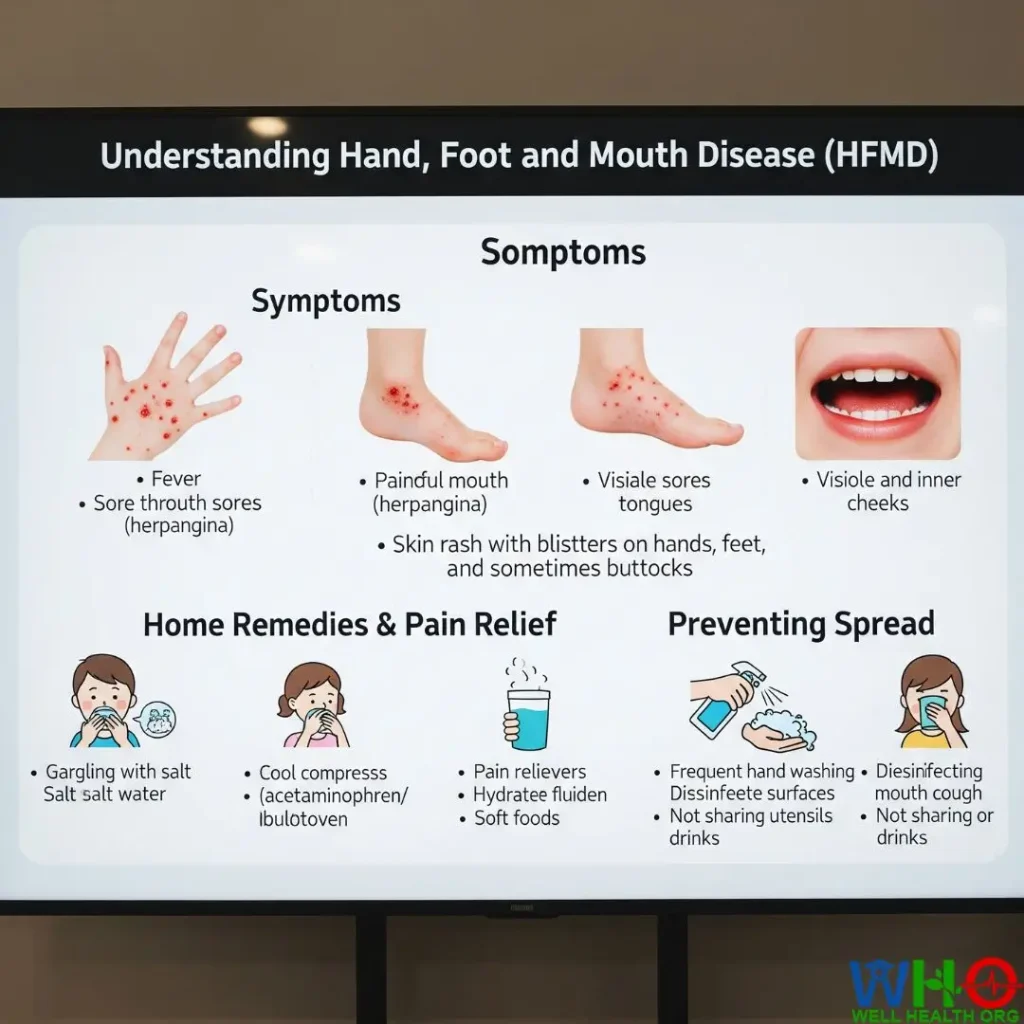
What sets HFMD apart from other childhood illnesses is the combination of fever, mouth sores, and skin blisters—most commonly appearing on the hands, feet, and inside the mouth. Some children also develop rashes on the buttocks, legs, or genital area. While the visual symptoms can be unsettling, understanding what’s happening inside the body helps parents react more calmly and confidently.
HFMD is most often triggered by enteroviruses, especially coxsackievirus. These viruses thrive in environments where children are in close contact—such as daycare centers, playgrounds, classrooms, and playgroups. Because younger children tend to share toys, touch everything, and aren’t yet experts at handwashing, outbreaks can occur quickly and spread easily.
Common Symptoms of HFMD
HFMD tends to show up in a predictable pattern, although every child experiences it slightly differently. Symptoms often appear three to six days after exposure.
Here’s what to watch for:
Fever and Flu-Like Symptoms
Many children start with a low to moderate fever, often accompanied by fatigue, irritability, sore throat, or a noticeable drop in appetite. This stage can last one or two days and may resemble a simple cold.
Painful Mouth Sores (Herpangina)
One of the most difficult symptoms for little ones is the development of tiny red spots in the mouth that turn into painful ulcers. These sores commonly appear on the tongue, gums, and inside the cheeks. Because they are sensitive to temperature and texture, children may refuse food or drinks—even when they’re thirsty or hungry.
Skin Rash or Blisters
Shortly after the fever starts, a rash may develop on the hands, feet, or both. It may appear as red spots, flat patches, or small fluid-filled blisters. While the rash is usually not itchy, it can become irritating when blisters form, especially on active children who are always touching, grabbing, and climbing.
General Discomfort
Some children appear extra clingy, cry more easily, or struggle to sleep well. Others may seem unusually quiet or withdrawn because of the discomfort.
Even though these symptoms are unwelcome, they generally fade within a week to 10 days. Once parents learn how to support their child through the discomfort, the recovery period often becomes much easier to manage.
How HFMD Spreads
HFMD is highly contagious, especially during the first few days of illness. Understanding how it spreads helps parents take practical steps to protect siblings and other family members.

The virus can be transmitted in several ways:
1. Close Personal Contact
Simple acts like hugging, kissing, or holding hands with an infected child can transmit the virus. Young children naturally seek comfort when they feel ill, which increases their contact with caregivers—and therefore, the risk of spreading the virus.
2. Respiratory Droplets
When an infected person coughs, sneezes, or even talks, tiny droplets carrying the virus can enter the air. Another person who breathes in these droplets or touches a contaminated surface can become infected.
3. Contact With Fluid From Blisters
The fluid inside HFMD blisters contains active viruses. When those blisters burst—either naturally or because a child scratches them—the virus can spread to other parts of the body or to anyone who touches the fluid.
4. Contaminated Objects and Surfaces
Shared toys, tables, doorknobs, bedding, and even high chairs can harbor the virus for several hours. Without proper cleaning, it can easily pass to others in the household.
Why HFMD Spreads So Easily Among Children
Children don’t always understand personal boundaries or hygiene. They share toys, touch their faces often, and forget to wash hands. This is why HFMD is especially common in childcare settings and why outbreaks tend to occur in waves.
Home Remedies for Hand, Foot, and Mouth Disease
Because HFMD is caused by a virus, antibiotics won’t help. Instead, supportive care focuses on relieving discomfort, controlling fever, preventing dehydration, and giving the body time to heal naturally.
Below are expanded and improved home remedies, along with additional insights and practical advice to help parents manage HFMD with confidence.
Soothing Painful Mouth Sores
The mouth sores associated with HFMD can be one of the most challenging symptoms for both children and adults. They make eating and drinking painful, sometimes leading to decreased appetite and dehydration.
1. Offer Cool, Soothing Foods and Drinks
Cold helps numb the mouth and reduce inflammation.
Try offering:
- Ice cream or soft-serve
- Yogurt or chilled pudding
- Applesauce
- Smoothies
- Cold milk
- Ice chips or popsicles
These foods provide hydration and calories with minimal irritation.
2. Avoid Foods That Trigger Pain
Some foods can sting or irritate mouth sores, making discomfort worse.
Avoid:
- Citrus fruits like oranges, lemons, or pineapples
- Tomato-based foods
- Spicy snacks
- Carbonated beverages
- Salty chips or crackers
Soft, bland foods such as mashed potatoes, oatmeal, or broth-based soups are typically better tolerated.
3. Use a Saltwater Rinse (For Older Children)
A saltwater rinse helps reduce bacteria, soothe irritation, and support healing.
To make:
Mix ½ teaspoon of salt with a cup of warm water.
Have your child swish gently and spit it out.
Repeat several times a day.
4. Keep the Mouth Moist
Dryness can worsen pain. Encourage frequent sips of water and avoid dry snack foods that may scratch the mouth.
Managing Pain and Fever
Most children feel unwell during the early stages of HFMD. Fever, body aches, and headaches are common.
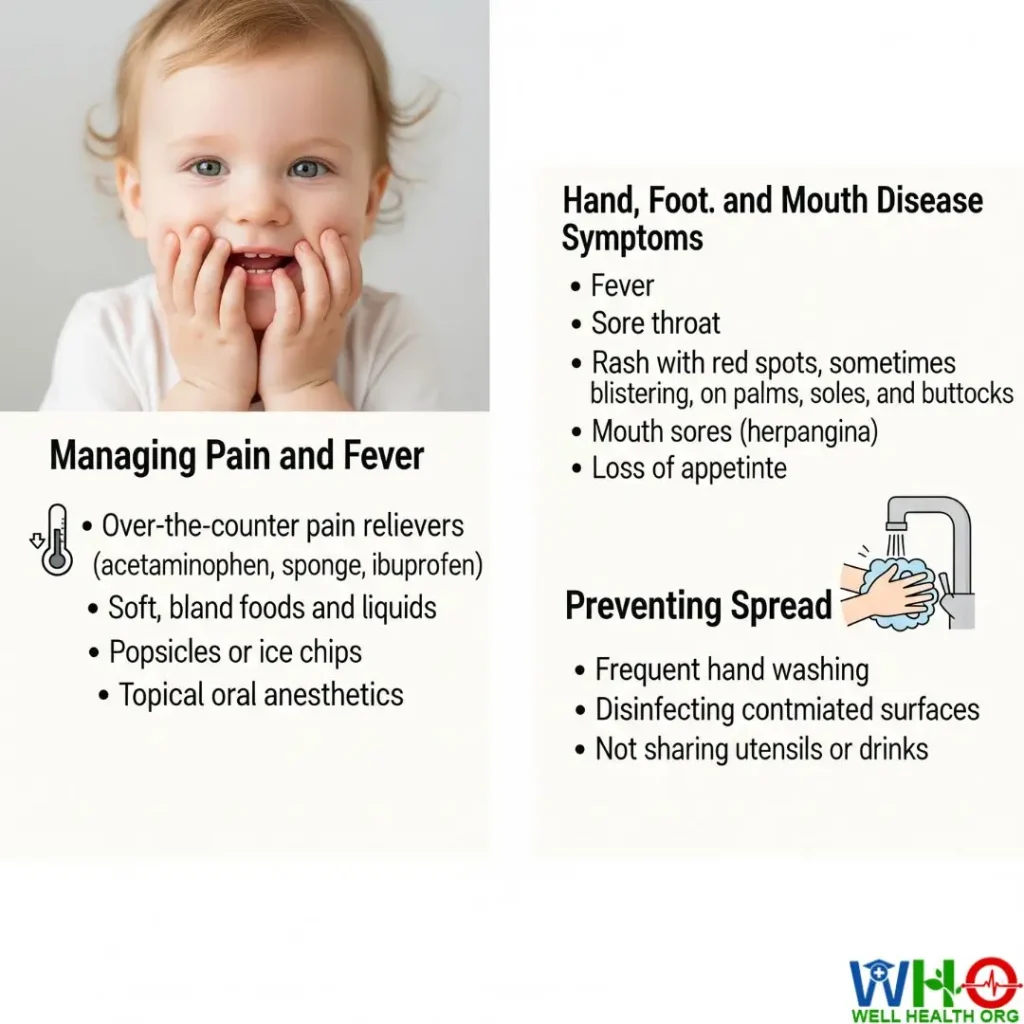
1. Use Appropriate Pain Relievers
Over-the-counter medications such as acetaminophen or ibuprofen can help reduce pain and fever.
Important reminders:
- Follow dosage based on weight and age.
- Do not alternate medications without guidance.
- Never give aspirin to children due to the risk of Reye’s syndrome.
2. Consider Topical Mouth Pain Relief (With Caution)
Mouth gels or sprays can numb discomfort temporarily, but they must be used safely.
Avoid benzocaine products for children under age two.
Avoid lozenges for young children due to choking risks.
Always confirm dosing and suitability with a healthcare professional if unsure.
Caring for the HFMD Skin Rash
The rash from Hand, Foot, and Mouth Disease can vary from child to child. Some only develop faint red spots, while others get blisters on the palms, soles, or even knees and buttocks. Even though the rash usually isn’t itchy, the sensitivity can cause discomfort—especially for active little ones who constantly use their hands and feet.
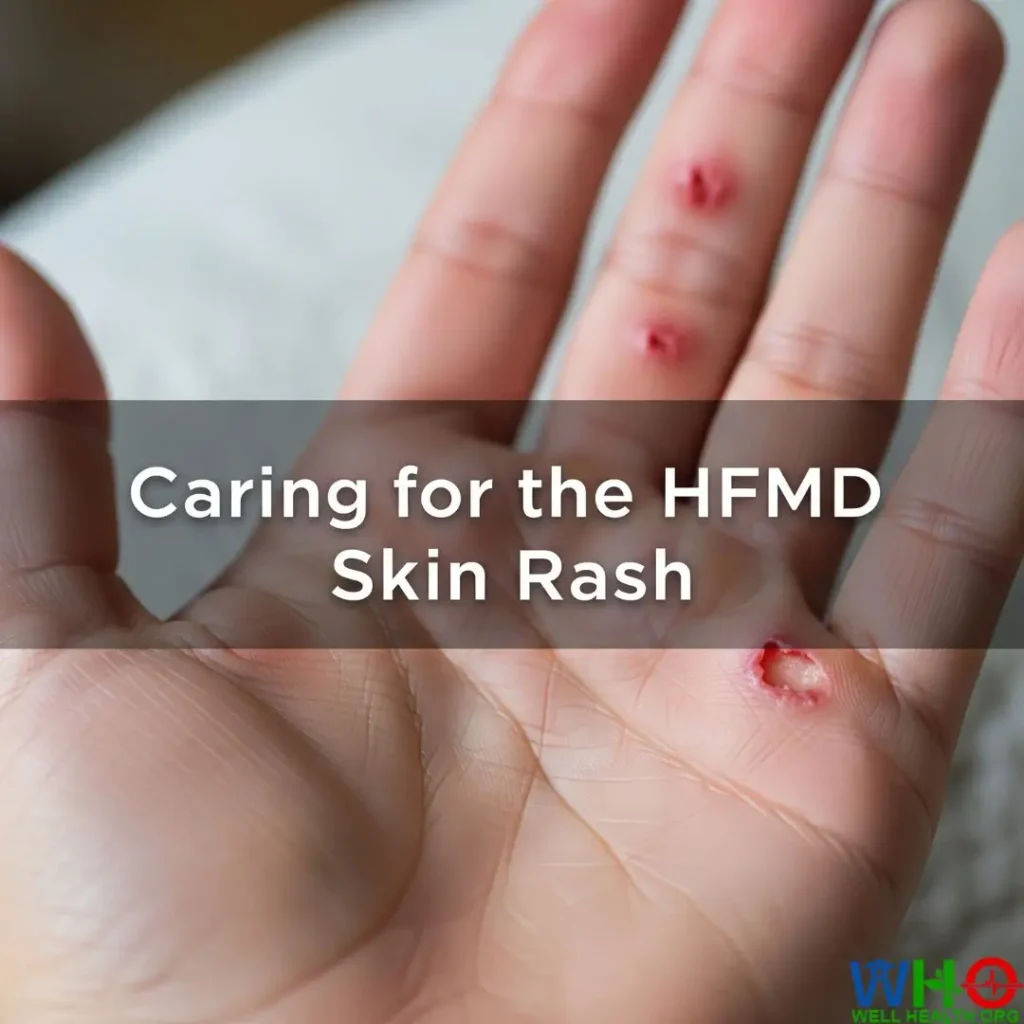
Supporting the skin’s healing process is an important part of at-home care.
1. Keep the Rash Area Clean
Gently washing the affected areas with mild soap and lukewarm water helps prevent irritation and secondary infections. Since HFMD blisters contain viral fluid, keeping the skin clean also minimizes the risk of spreading the virus.
After washing, pat the skin dry with a soft towel. Avoid rubbing, as friction may irritate blisters or cause pain.
2. Never Pop Blisters
Even though it may be tempting to relieve pressure or “speed up healing,” popping blisters is unsafe. The fluid inside contains the virus, meaning ruptured blisters can increase the chance of spreading HFMD to others—or even to other parts of your child’s body.
Allow blisters to dry naturally. They typically flatten within a few days and peel as the skin heals.
3. Apply Soothing Skin Ointments
A thin layer of petroleum jelly can help protect tender skin and keep it from drying out. Some parents find zinc oxide ointments—often used for diaper rashes—can soothe irritation, especially on sensitive areas like the buttocks.
Avoid heavily scented lotions or products with harsh ingredients, which may burn or irritate the rash.
4. Keep Your Child Comfortable
Loose, breathable clothing such as cotton pajamas can prevent friction and help the skin heal. If your child has blisters on their feet, consider soft socks or avoiding tight shoes for a few days.
Small comfort measures often make a big difference in helping children rest and recover.
The Importance of Hydration During HFMD
One of the biggest risks associated with HFMD isn’t the virus itself—it’s dehydration. Painful mouth sores can make children reluctant to drink, especially if their usual beverages sting or feel too warm.

Because hydration is crucial for recovery and overall health, it’s important to be proactive.
1. Offer Fluids Frequently
Instead of expecting your child to drink a full cup at once, offer small sips throughout the day. This approach is more manageable for children with sore mouths.
Good fluid options include:
- Cool water
- Milk
- Diluted non-citrus juices
- Electrolyte solutions formulated for children
2. Use Hydrating Foods When Possible
If your child refuses drinks, try offering water-rich foods such as:
- Ice pops
- Watermelon (if tolerated)
- Smoothies
- Yogurt
- Chilled applesauce
Sometimes, “eating their fluids” feels easier for children experiencing discomfort.
3. Watch for Signs of Dehydration
Parents should pay close attention to subtle warning signs, including:
- Dry mouth or cracked lips
- Fewer wet diapers or infrequent trips to the bathroom
- Dark-colored urine
- Crying without tears
- Lethargy or unusual drowsiness
- Cool hands and feet
If dehydration becomes severe or persistent, medical attention is necessary.
4. Keep Drinks Non-Irritating
Avoid beverages like citrus juices, sodas, or anything carbonated. These often worsen mouth pain, discouraging children from drinking enough.
Helping your child stay hydrated significantly improves their comfort and speeds recovery.
When to See a Doctor for HFMD
While most cases of HFMD resolve on their own, it’s important for parents to recognize when medical care is needed. Knowing the difference between mild symptoms and ones requiring professional attention provides peace of mind and ensures your child stays safe.
Seek medical advice if:
1. Signs of Dehydration Appear
A child who refuses to drink or cannot keep fluids down is at risk. Dehydration can become serious quickly, especially in babies and toddlers.
2. Symptoms Last Longer Than Expected
HFMD typically improves within 7–10 days. If symptoms worsen or fail to improve, a healthcare provider should evaluate your child to rule out other conditions or complications.
3. Your Child Has a Weakened Immune System
Children with chronic illnesses or compromised immunity may experience more severe symptoms or slower recovery.
4. Infants Under Six Months Are Affected
Young infants are more vulnerable to complications and should be checked by a healthcare professional promptly.
5. A High Fever Persists
A persistent fever, especially one lasting longer than three days or that rises unusually high, may indicate a secondary infection or another illness entirely.
6. Your Child Shows Neurological Symptoms
Although rare, severe strains of enteroviruses can cause complications such as headaches, neck stiffness, or difficulty waking. If you notice anything unusual, seek immediate medical support.
Prompt attention helps ensure proper treatment and peace of mind for families.
Preventing the Spread of HFMD at Home
Preventing HFMD from circulating through your household can be challenging, but it’s absolutely possible with consistent hygiene habits. Even though HFMD is highly contagious, simple precautions significantly reduce the chances of spreading the virus.
1. Wash Hands Frequently
Proper handwashing is the most effective prevention strategy. Encourage everyone in the household—especially children—to wash their hands:
- After using the toilet
- After changing diapers
- Before eating
- After coughing or sneezing
- After touching shared toys or surfaces
Use soap and warm water, scrubbing for at least 20 seconds.
2. Disinfect High-Touch Surfaces Daily
Viruses can survive on surfaces for hours. Regular cleaning of doorknobs, tables, toys, and bathroom fixtures helps stop transmission. Even items like tablets and remote controls should be wiped down frequently.
3. Avoid Close Contact While Sick
Children with active symptoms should stay home from school, daycare, and group activities. Even after symptoms improve, they may still carry the virus, so continuing good hygiene is essential.
4. Avoid Sharing Personal Items
Teach children to avoid sharing cups, utensils, toothbrushes, towels, and bedding. These items can easily transfer the virus.
5. Practice Respiratory Etiquette
Remind children to cover their mouths and noses when sneezing or coughing—even during play. Using tissues or the elbow helps prevent droplets from spreading.
6. Keep Toys Clean
For younger children who put toys in their mouths, clean items regularly to reduce exposure. Hard-surfaced toys should be washed frequently and allowed to air dry fully.
These habits help protect not only your household but also the larger community.
Your Path to Recovery and Peace of Mind
Navigating Hand, Foot, and Mouth Disease can feel overwhelming at first, especially when your child is uncomfortable and craving extra attention. However, with the right home care strategies in place, families can manage symptoms effectively and help children recover smoothly.
The key focus areas are:
- Keeping your child hydrated
- Relieving mouth and skin discomfort
- Monitoring fever and overall well-being
- Preventing the virus from spreading
HFMD may be highly contagious, but it is also short-lived. With patience, gentle care, and a little creativity in soothing your child, this phase will pass—and your child’s energy and smiles will return before you know it.
Frequently Asked Questions
1. How long does HFMD last?
Most children recover within 7–10 days. Mouth sores often heal last, while the rash may continue fading for several days after symptoms improve.
2. Can adults catch HFMD from children?
Yes. While adults often experience milder symptoms, they can still contract and transmit the virus.
3. Is HFMD dangerous?
Most cases are mild. Complications are rare but may include dehydration or, in unusual cases, secondary infections.
4. Can kids get HFMD more than once?
Yes, because multiple viruses can cause HFMD. Immunity develops only to the specific virus strain previously contracted.
5. When can a child return to school or daycare?
Children should stay home until fever-free, feeling better, and able to participate comfortably in normal activities. Good hygiene practices remain important even after returning.
Medically Reviewed by Prof. Dr. Akram
Orthopedic Surgeon | Professor | Senior Medical Specialist
Prof. Dr. Akram is a distinguished surgeon with over 15 years of clinical expertise. Having served as a lead Emergency Specialist at Complex International Government Hospital, he currently leads a specialized team of 13 medical professionals at his private hospital. As a Professor at top medical universities, he ensures that every article on WellHealthOrg.com meets rigorous clinical standards.
Medical Disclaimer:
The information provided is for educational purposes only and is not a substitute for professional medical advice, diagnosis, or treatment. Always consult your physician for any medical concerns.
Our content is rigorously fact-checked by our 13-member Editorial Team under the clinical supervision of Prof. Dr. Akram.