Natural Remedies for PMS Mood Swings; It happens almost like clockwork. One day, you feel like a superhero—productive, energetic, and optimistic. Then, the calendar flips, and suddenly, you feel like a stranger in your own body. The smallest annoyance, like a dropped set of keys or a slow internet connection, sends you into a spiral of irritation. You might find yourself crying over a commercial or feeling a sudden wave of anxiety that tightens your chest for no apparent reason.
- Understanding PMS Mood Swings
- The Biology of the Luteal Phase
- The Estrogen Drop
- The Progesterone Rise
- The GABA Connection
- Nutrition for Neurotransmitters: The “Mood Diet”
- The Blood Sugar Rollercoaster
- The Gut-Brain Axis and Fermented Foods
- What to Eliminate
- The Power of Minerals and Vitamins
- Magnesium: The Non-Negotiable Mineral
- Vitamin B6: The Serotonin Builder
- Calcium: The Unsung Hero
- Omega-3 Fatty Acids
- Herbal Allies for Hormone Regulation
- Chasteberry (Vitex Agnus-Castus)
- St. John’s Wort
- Ashwagandha
- Evening Primrose Oil
- Lifestyle & Movement: Syncing with Your Cycle
- Exercise as a Mood Stabilizer
- Sleep Architecture
- Psychological and Somatic Techniques
- Cognitive Behavioral Reframing (CBT)
- The “PMS Buffer Zone”
- Breathwork
- Aromatherapy
- Environmental Detox
- When Natural Isn’t Enough: Understanding PMDD
- Putting It All Together: Your 2-Week Action Plan
- Conclusion
- FAQs About PMS Mood Swings
- What exactly causes PMS mood swings?
- How long before my period do PMS symptoms start?
- Can diet really affect PMS mood swings?
- Which supplements are most helpful for PMS?
- Are herbal remedies effective?
- Can exercise really help with PMS mood swings?
- How can I manage mood swings when I feel out of control?
- How can I reduce PMS symptoms in my environment?
- When should I seek professional help?
- Can these strategies completely eliminate PMS?
If this resonates with you, you are not alone, and you are certainly not “crazy.” You are navigating the often-turbulent waters of Premenstrual Syndrome (PMS).
While society often jokes about PMS, the reality for millions of women is that the emotional symptoms—irritability, anxiety, depression, and extreme mood lability—are far more disruptive than the physical bloating or cramps. The “emotional rollercoaster” is a very real physiological response to the dramatic hormonal shifts that occur during the luteal phase of your cycle.
However, here is the empowering truth: You do not have to white-knuckle your way through one week of every month. While you cannot stop your hormones from fluctuating, you can change how your body and brain respond to those fluctuations.
This comprehensive guide goes far beyond basic advice. We will explore the deep biology of why this happens, precise dietary strategies, advanced herbal protocols, environmental adjustments, and somatic practices to help you regain control. By stacking these natural habits, you can turn that “dreaded week” into a time of rest and emotional balance.
Understanding PMS Mood Swings
It happens almost like clockwork. One day you feel like a superhero—productive, energetic, and optimistic. Then, the calendar flips, and suddenly, you feel like a stranger in your own body. The smallest annoyance, like a dropped set of keys or a slow internet connection, sends you into a spiral of irritation. You might find yourself crying over a commercial or feeling a sudden wave of anxiety that tightens your chest for no apparent reason.
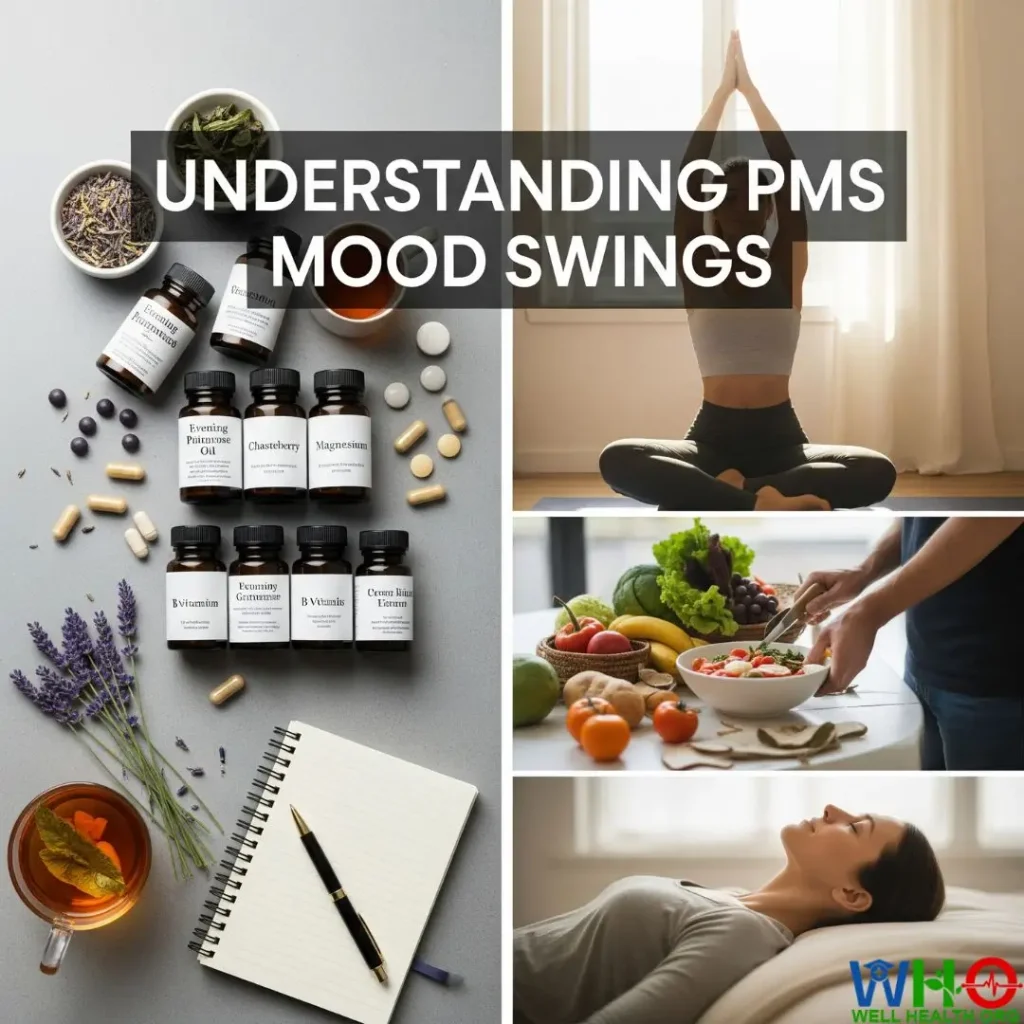
If this resonates with you, you are not alone, and you are certainly not “crazy.” You are navigating the often-turbulent waters of Premenstrual Syndrome (PMS).
While society often jokes about PMS, the reality for millions of women is that the emotional symptoms—irritability, anxiety, depression, and extreme mood swings—are far more disruptive than the physical bloating or cramps. The “emotional rollercoaster” is a very real physiological response to the dramatic hormonal shifts that occur during the luteal phase of your cycle.
However, here is the empowering truth: You do not have to white-knuckle your way through one week of every month. While you cannot stop your hormones from fluctuating, you can change how your body and brain respond to those fluctuations.
This guide explores the deep biology of PMS, dietary strategies, herbal protocols, environmental adjustments, and somatic practices to help you regain control. By stacking these natural habits, you can turn that “dreaded week” into a time of rest and emotional balance.
The Biology of the Luteal Phase

The Estrogen Drop
During the first half of your cycle (follicular phase), estrogen rises, often making you feel energetic and social. After ovulation, estrogen levels dip. Estrogen is closely linked to serotonin—the neurotransmitter responsible for feelings of well-being and happiness. When estrogen drops, serotonin often drops with it.
The Progesterone Rise
After ovulation, progesterone spikes. While progesterone has a sedating, calming effect, high levels can sometimes lead to sluggishness or “brain fog.” Conversely, if your body doesn’t produce enough progesterone to balance the estrogen (a state often called “estrogen dominance”), you may feel wired, anxious, and irritable.
The GABA Connection
Progesterone interacts with GABA receptors in the brain (the same receptors targeted by anti-anxiety medication). When hormone levels fluctuate rapidly, this system gets disrupted, leading to that feeling of being “on edge.”
By using natural remedies, our goal is to support serotonin production, metabolize excess hormones efficiently, and calm the nervous system.
Nutrition for Neurotransmitters: The “Mood Diet”
The Blood Sugar Rollercoaster
There is a direct link between blood sugar stability and mood stability. When your blood sugar crashes, your body releases stress hormones that can trigger severe irritability or anxiety.

Strategy:
- Eat Every 3–4 Hours: During your luteal phase, do not fast. Your metabolism slightly speeds up during this time.
- Pair Your Macros: Never eat a carbohydrate alone. Pair carbs with protein or healthy fats.
- Complex Carbohydrates are Medicine: Upgrade cravings with sweet potatoes, quinoa, oats, brown rice, or squash.
Tip: Have a small serving of complex carbs with dinner during PMS week to boost serotonin and improve sleep.
The Gut-Brain Axis and Fermented Foods
Gut health dictates brain health. Incorporate fermented foods like sauerkraut, kimchi, kefir, or yogurt to support your microbiome and regulate estrogen metabolism.
What to Eliminate
Removing inflammatory triggers during your luteal phase can significantly reduce symptoms:
- Caffeine: Switch to matcha or herbal tea.
- Alcohol: Avoid wine or spirits; they disrupt sleep and serotonin.
- High Sodium: Reduces bloating and improves mood.
The Power of Minerals and Vitamins

Magnesium: The Non-Negotiable Mineral
Magnesium calms the nervous system and reduces anxiety and cramps. Use Magnesium Glycinate for better absorption.
Vitamin B6: The Serotonin Builder
B6 helps convert tryptophan into serotonin, reducing premenstrual depression and irritability. Stick to recommended doses.
Calcium: The Unsung Hero
Calcium supports mood regulation and can reduce PMS symptoms, including mood swings and cravings.
Omega-3 Fatty Acids
Omega-3s reduce inflammation, improve concentration, and ease nervousness associated with PMS.
Herbal Allies for Hormone Regulation

Chasteberry (Vitex Agnus-Castus)
Balances estrogen and progesterone ratios, especially helpful if low progesterone causes mood swings. Take daily for 3 months to see benefits.
St. John’s Wort
Effective for PMS-related depression and low motivation. Warning: Consult your doctor if you are on medications or birth control.
Ashwagandha
Adaptogen that helps reduce cortisol and manage anxiety during PMS.
Evening Primrose Oil
Supports hormone regulation and eases breast tenderness and mood swings.
Lifestyle & Movement: Syncing with Your Cycle

Exercise as a Mood Stabilizer
- Follicular Phase: High-intensity workouts are ideal.
- Luteal Phase: Switch to LISS (walking, swimming, light strength training) to improve mood without adrenal burnout.
Sleep Architecture
- Keep your bedroom cool.
- Reduce blue light exposure 90 minutes before bed.
- Maintain consistent wake-up times.
Psychological and Somatic Techniques

Cognitive Behavioral Reframing (CBT)
Recognize that your emotional responses may be intensified by PMS. Label emotions to detach from them.
The “PMS Buffer Zone”
Identify high-symptom days and avoid high-stress tasks or social obligations.
Breathwork
4-7-8 Technique: Inhale 4 seconds, hold 7 seconds, exhale 8 seconds. Activates relaxation.
Aromatherapy
- Lavender: Relaxes and slows heart rate
- Clary Sage: Mild estrogen-balancing effect
- Bergamot: Uplifts mood
Environmental Detox
Reduce exposure to Endocrine Disrupting Chemicals (EDCs) like phthalates and parabens. Switch to glass storage and cleaner beauty products to help your liver process hormones more efficiently.
When Natural Isn’t Enough: Understanding PMDD
PMDD is more severe than PMS. Seek medical help if you experience:
- Suicidal thoughts
- Uncontrollable rage
- Severe depression
- Panic attacks
Natural strategies may help but often require medical intervention.
Putting It All Together: Your 2-Week Action Plan
Daily Routine:
- Morning: B-complex, water, protein-rich breakfast.
- Mid-Day: 30 min moderate exercise, 10 min sunlight.
- Afternoon: Avoid caffeine; snack with complex carbs + fat if needed.
- Evening: Dinner with leafy greens, complex carbs, protein.
- Supplement: 300–400mg Magnesium Glycinate after dinner.
- Bedtime: Phone away 1 hour prior, do 5 minutes of “legs up the wall” yoga.
When Mood Swings Hit:
- Pause before reacting.
- Check blood sugar and hydration.
- Breathe using the 4-7-8 method.
- Practice self-compassion.
Conclusion
Your menstrual cycle is a vital sign of your overall health. PMS mood swings are common but not unavoidable. By layering nutrients, rest, boundaries, and self-care, you can quiet the hormonal “monster,” feeling grounded, resilient, and more like yourself all month long.
Start small—choose one dietary change and one supplement. Consistency, not perfection, is the key to long-term emotional balance.
FAQs About PMS Mood Swings
What exactly causes PMS mood swings?
PMS mood swings are caused by hormonal fluctuations during the luteal phase of your cycle—primarily a drop in estrogen and a rise in progesterone. These changes affect neurotransmitters like serotonin and GABA, leading to irritability, anxiety, or sadness.
How long before my period do PMS symptoms start?
Symptoms typically begin 1–2 weeks before your period, peaking in the 3–4 days before menstruation, and usually disappear once your period starts.
Can diet really affect PMS mood swings?
Yes! Blood sugar stability, complex carbohydrates, protein, healthy fats, and probiotic-rich foods can help regulate mood. Avoiding caffeine, alcohol, and high-sodium foods during the luteal phase can also reduce irritability and bloating.
Which supplements are most helpful for PMS?
Key supplements include:
- Magnesium Glycinate – Calms nerves, reduces cramps and anxiety.
- Vitamin B6 – Helps convert tryptophan to serotonin.
- Calcium – Supports mood regulation and reduces cravings.
- Omega-3s – Reduces inflammation and improves brain function.
Are herbal remedies effective?
Yes, some herbs help regulate hormones and improve mood:
- Chasteberry (Vitex) – Balances estrogen and progesterone.
- St. John’s Wort – Eases PMS-related depression.
- Ashwagandha – Reduces stress and anxiety.
- Evening Primrose Oil – Supports hormone balance and reduces breast tenderness.
Can exercise really help with PMS mood swings?
Absolutely. Exercise releases endorphins and dopamine, improving mood. Low-intensity workouts like walking, swimming, or light strength training are best during the luteal phase, while high-intensity workouts are better in the follicular phase.
How can I manage mood swings when I feel out of control?
Try these steps:
- Pause before reacting.
- Check if you’ve eaten and hydrated recently.
- Practice 4-7-8 deep breathing.
- Label your emotions and practice self-compassion.
How can I reduce PMS symptoms in my environment?
Avoid endocrine-disrupting chemicals in plastics, beauty products, and cleaning supplies. Switch to glass containers and cleaner beauty products to help your hormones function optimally.
When should I seek professional help?
If you experience extreme symptoms such as:
- Suicidal thoughts or self-harm ideation
- Severe depression or inability to function
- Panic attacks or uncontrollable rage
This may indicate PMDD, a severe form of PMS, which requires medical intervention.
Can these strategies completely eliminate PMS?
While symptoms may not disappear entirely, diet, supplements, herbal remedies, sleep, exercise, and stress management can significantly reduce emotional and physical PMS symptoms, making the luteal phase more manageable.
Medically Reviewed by Prof. Dr. Akram
Orthopedic Surgeon | Professor | Senior Medical Specialist
Prof. Dr. Akram is a distinguished surgeon with over 15 years of clinical expertise. Having served as a lead Emergency Specialist at Complex International Government Hospital, he currently leads a specialized team of 13 medical professionals at his private hospital. As a Professor at top medical universities, he ensures that every article on WellHealthOrg.com meets rigorous clinical standards.
Medical Disclaimer:
The information provided is for educational purposes only and is not a substitute for professional medical advice, diagnosis, or treatment. Always consult your physician for any medical concerns.
Our content is rigorously fact-checked by our 13-member Editorial Team under the clinical supervision of Prof. Dr. Akram.