
Pimple Near the Anus Home Remedies
Discovering a bump in a sensitive area like the buttocks or near the anus can be an incredibly stressful experience. It is a moment of immediate panic, followed by awkwardness and confusion. Is it serious? Is it a hygiene issue? How do I treat it without having to show it to a doctor?
- Pimple Near the Anus Home Remedies
- Understanding the Anatomy: Why Here?
- The Root Causes: Why Did This Happen?
- 1. The Moisture and Sweat Factor
- 2. Friction and Mechanical Irritation
- 3. Hair Removal Methods
- 4. Hormonal Fluctuations
- 5. Hygiene Habits
- 6. Sedentary Lifestyle
- Is It Really a Pimple? (Differential Diagnosis)
- Pimple vs. Anal Abscess
- Pimple vs. Hemorrhoid
- Pimple vs. Pilonidal Cyst
- Pimple vs. STIs (Genital Herpes or Warts)
- Effective Home Remedies for Anal Pimples
- 1. The Warm Compress Strategy
- 2. Sitz Baths and Epsom Salts
- 3. Tea Tree Oil Application
- 4. Zinc Oxide Cream (Diaper Rash Cream)
- 5. Benzoyl Peroxide (Use with Caution)
- 6. Aloe Vera Gel
- Hygiene and Lifestyle Adjustments During Healing
- Switch to Cotton Underwear
- The “Pat, Don’t Rub” Technique
- Toilet Hygiene
- Avoid Sitting for Too Long
- Preventing Recurrence: How to Stop It Coming Back
- 1. Exfoliation is Key
- 2. Re-evaluate Your Laundry Routine
- 3. Change Immediately After Sweating
- 4. Hair Removal Alternatives
- 5. Dietary Considerations
- When to See a Doctor: Red Flags
- What to Expect at the Doctor
- Conclusion
First, take a deep breath. While it is rarely discussed in casual conversation, developing a pimple near the anus (medically referred to as the perianal region) is actually quite common. Just like the skin on your face, back, or chest, the skin in this area is covered in hair follicles and sebaceous (oil) glands. Wherever these two exist, pimples can occur.
This comprehensive guide is designed to be your go-to resource. We will move beyond the basics to provide you with a deep understanding of why this happens, how to differentiate a simple pimple from more serious conditions, and exactly how to treat it effectively and safely at home. We will also cover essential prevention strategies to ensure you don’t have to deal with this discomfort again.
Understanding the Anatomy: Why Here?
To treat the problem, you must first understand the environment. The perianal area is unique compared to the rest of your body. It is tucked away, often warm, usually moist, and subjected to constant friction from walking, sitting, and clothing.
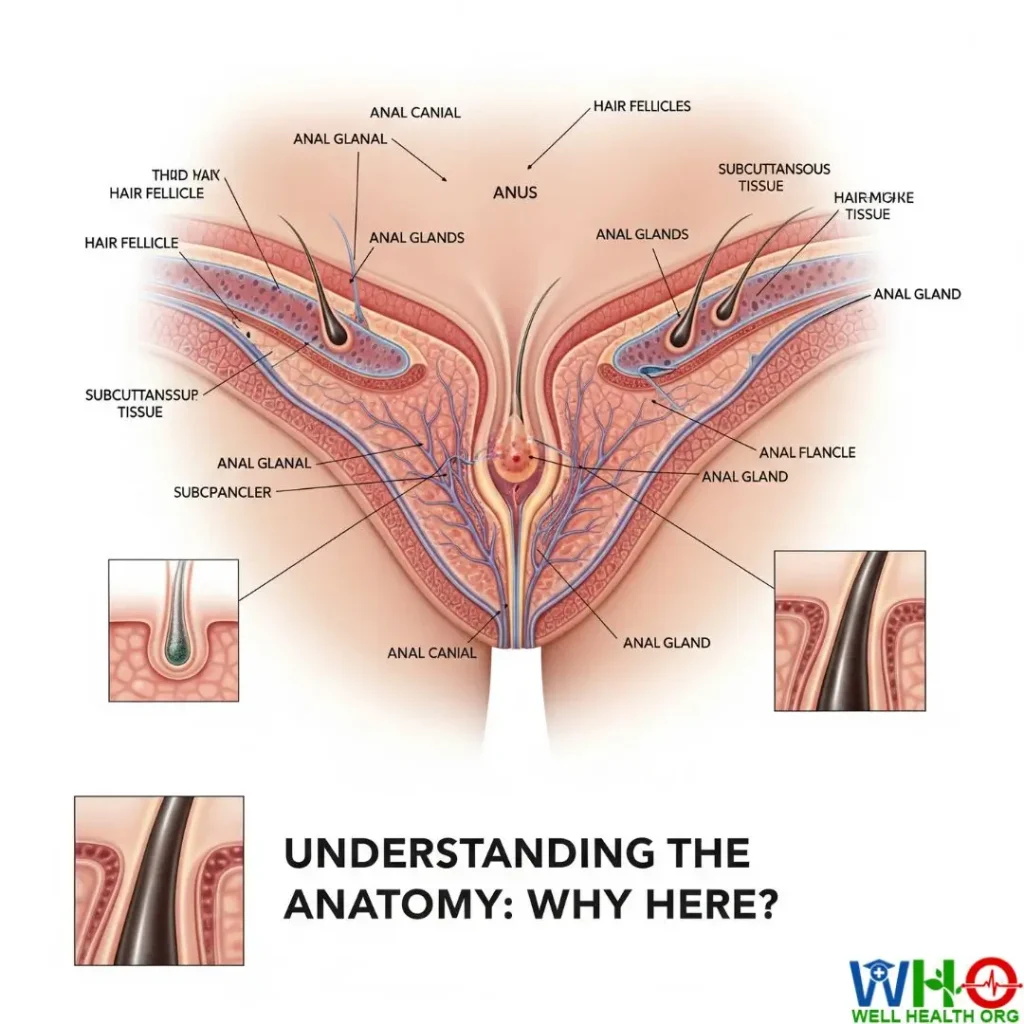
A pimple, fundamentally, is a blockage. It occurs when a pore (the opening of a hair follicle) becomes clogged with a combination of:
- Excess Sebum: The oil produced by your skin to keep it lubricated.
- Dead Skin Cells: Which naturally shed but can get trapped in the oil.
- Bacteria: Specifically Propionibacterium acnes or other surface bacteria.
When this mixture plugs the follicle, inflammation occurs, leading to that tender, red bump you are currently feeling. Because the anal region is rich in bacteria due to its function in waste elimination, and because it is often covered by layers of clothing, it creates a “perfect storm” for clogged pores and minor infections.
The Root Causes: Why Did This Happen?
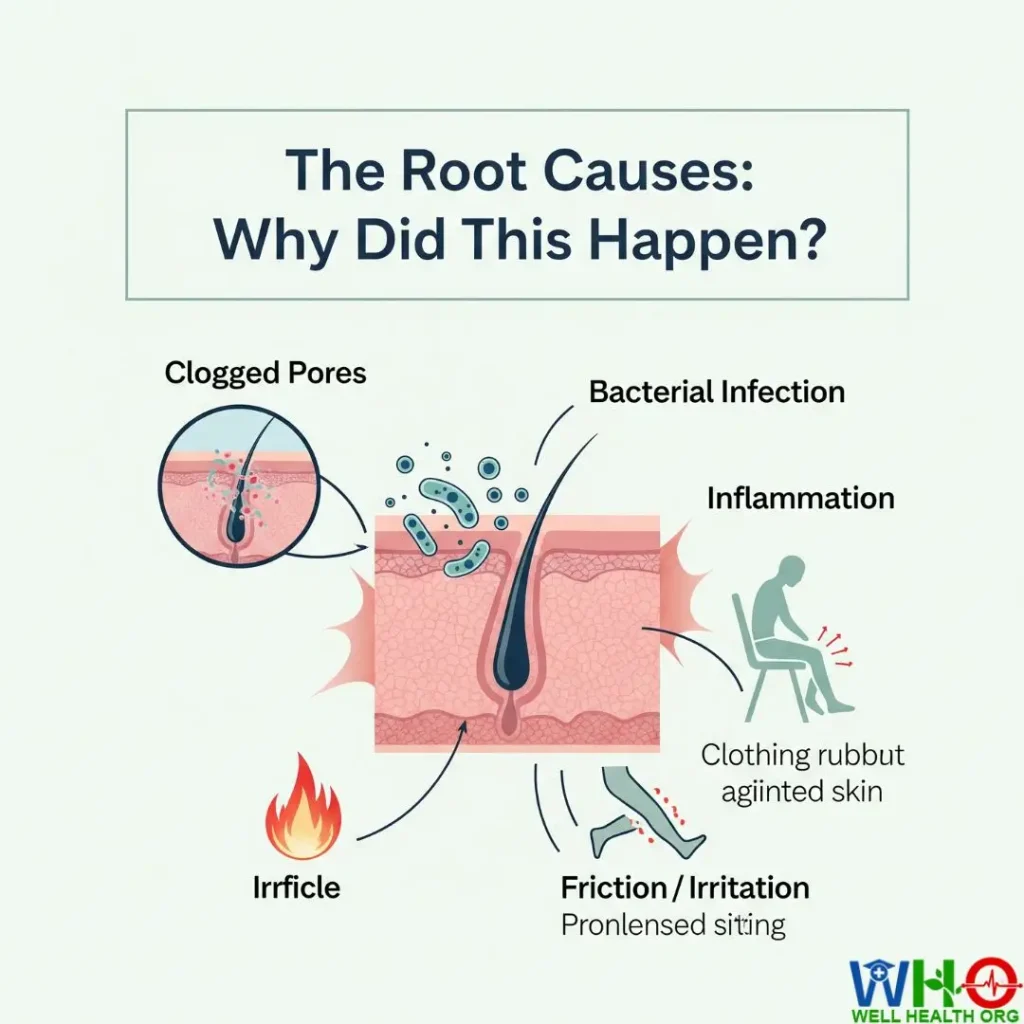
You might be wondering, “Why now?” Several factors contribute to the formation of anal pimples. Identifying the specific cause in your case is the first step toward effective treatment and future prevention.
1. The Moisture and Sweat Factor
The groin and buttocks are high-friction, high-moisture zones. Sweat does not evaporate easily in this area because it is covered by underwear and pants. When sweat sits on the skin, it mixes with natural oils and bacteria. This mixture can settle into pores, causing blockages. This is particularly common among athletes, heavy sweaters, or those living in humid climates.
2. Friction and Mechanical Irritation
Do you wear tight jeans, leggings, or restrictive shapewear? Tight clothing presses hair follicles against the skin, preventing oil from exiting the pore naturally. This is often called acne mechanica. Furthermore, the act of walking or running causes skin-on-skin rubbing or fabric-on-skin rubbing, which can micro-damage the skin barrier and allow bacteria to enter.
3. Hair Removal Methods
If you shave, wax, or use depilatory creams around the perianal area, you are at a higher risk for pimples.
- Shaving: Can create sharp tips on hair strands. As the hair grows back, it can curl backward into the skin, causing an ingrown hair (pseudofolliculitis). These look and feel exactly like pimples but are caused by trapped hair.
- Waxing: Can sometimes rip the hair out aggressively, leaving the follicle open to bacterial invasion.
4. Hormonal Fluctuations
Your skin is a mirror of your internal health. Hormonal spikes—whether from puberty, menstruation cycles, pregnancy, or high stress levels (cortisol spikes)—stimulate the sebaceous glands to produce more oil. More oil means a higher probability of clogged pores, regardless of where they are on the body.
5. Hygiene Habits
This is a delicate topic, but an important one. The anus is naturally exposed to fecal bacteria. If the area is not cleaned thoroughly after a bowel movement, or if microscopic residue remains, it can irritate the hair follicles. Conversely, over-cleaning is also a culprit. Scrubbing the area too hard with harsh soaps can strip the natural protective barrier of the skin, leading to inflammation and compensatory oil overproduction.
6. Sedentary Lifestyle
If you work a desk job or spend hours sitting for gaming or driving, you are placing constant pressure on the buttocks. This pressure reduces airflow and increases local temperature, creating a breeding ground for bacteria.
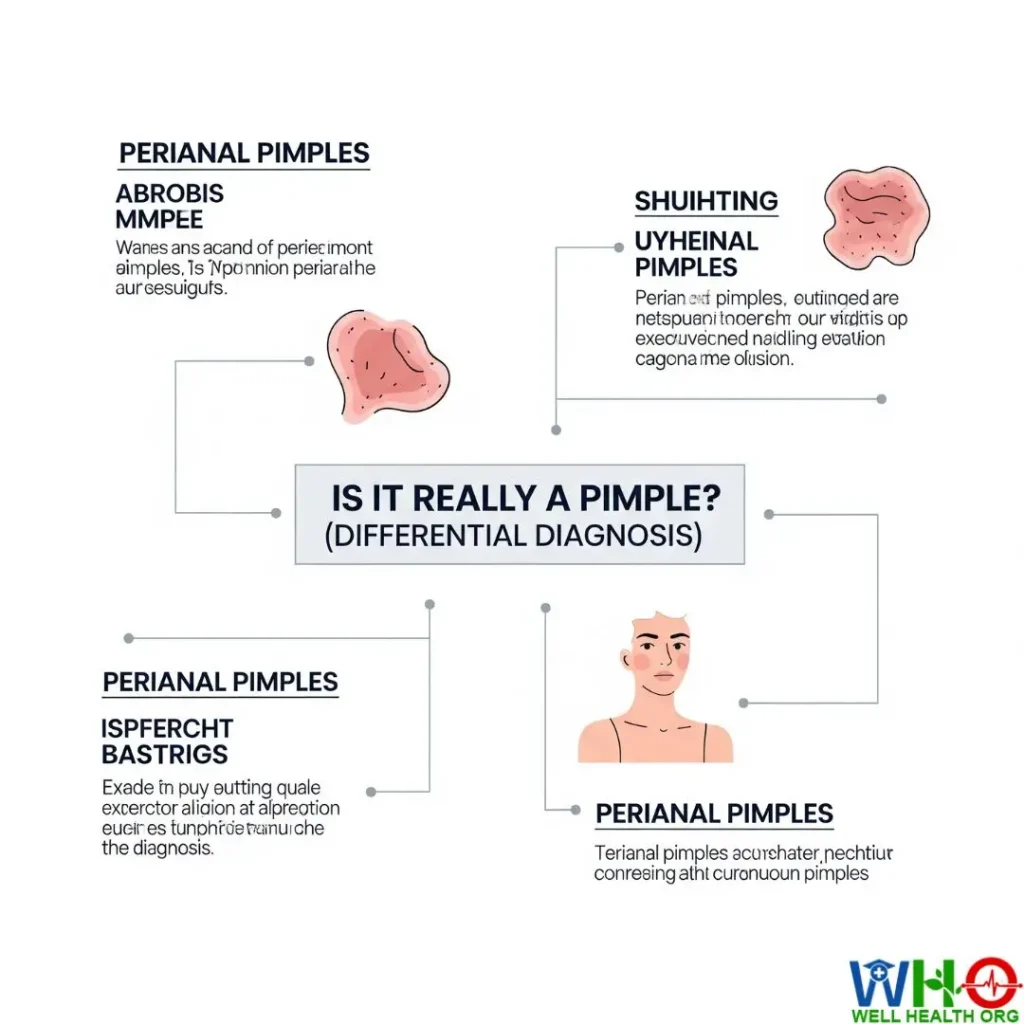
Is It Really a Pimple? (Differential Diagnosis)
Before you begin home treatment, it is vital to ensure that what you are dealing with is indeed a pimple. The perianal area is prone to various bumps and lumps. Here is how to distinguish a pimple from other common conditions.
Pimple vs. Anal Abscess
This is the most critical distinction to make.
- Pimple: Usually small (like a pea), located on the surface of the skin, red, and mildly tender. It may have a white head.
- Abscess: A deeper infection. It often feels like a larger, hard lump beneath the skin that is throbbing with pain. It may be accompanied by fever or extreme discomfort when sitting. An abscess requires immediate medical drainage and cannot be treated with home remedies.
Pimple vs. Hemorrhoid
- Pimple: A pore infection on the skin around the anus.
- Hemorrhoid: A swollen vein located inside the anal canal or protruding from the actual anal opening. Hemorrhoids often cause bleeding during bowel movements and feel like soft, swollen tissue rather than a distinct pimple-like bump.
Pimple vs. Pilonidal Cyst
- Pimple: Can be anywhere.
- Pilonidal Cyst: Almost exclusively found at the top of the cleft of the buttocks (near the tailbone). These often contain hair and skin debris and can become very painful if infected.
Pimple vs. STIs (Genital Herpes or Warts)
- Pimple: Usually a single, isolated bump.
- Herpes: Often appears as a cluster of small, fluid-filled blisters that are painful and may burst/crust over.
- Genital Warts: usually flesh-colored, cauliflower-shaped bumps that are not typically painful but can be itchy.
If you are unsure, or if the bump looks unusual, err on the side of caution and consult a healthcare professional.
Effective Home Remedies for Anal Pimples
If you have determined it is a standard pimple or a minor ingrown hair, you can treat it effectively at home. The goal of these remedies is to reduce inflammation, kill bacteria, and encourage the pimple to drain naturally without damaging the skin.
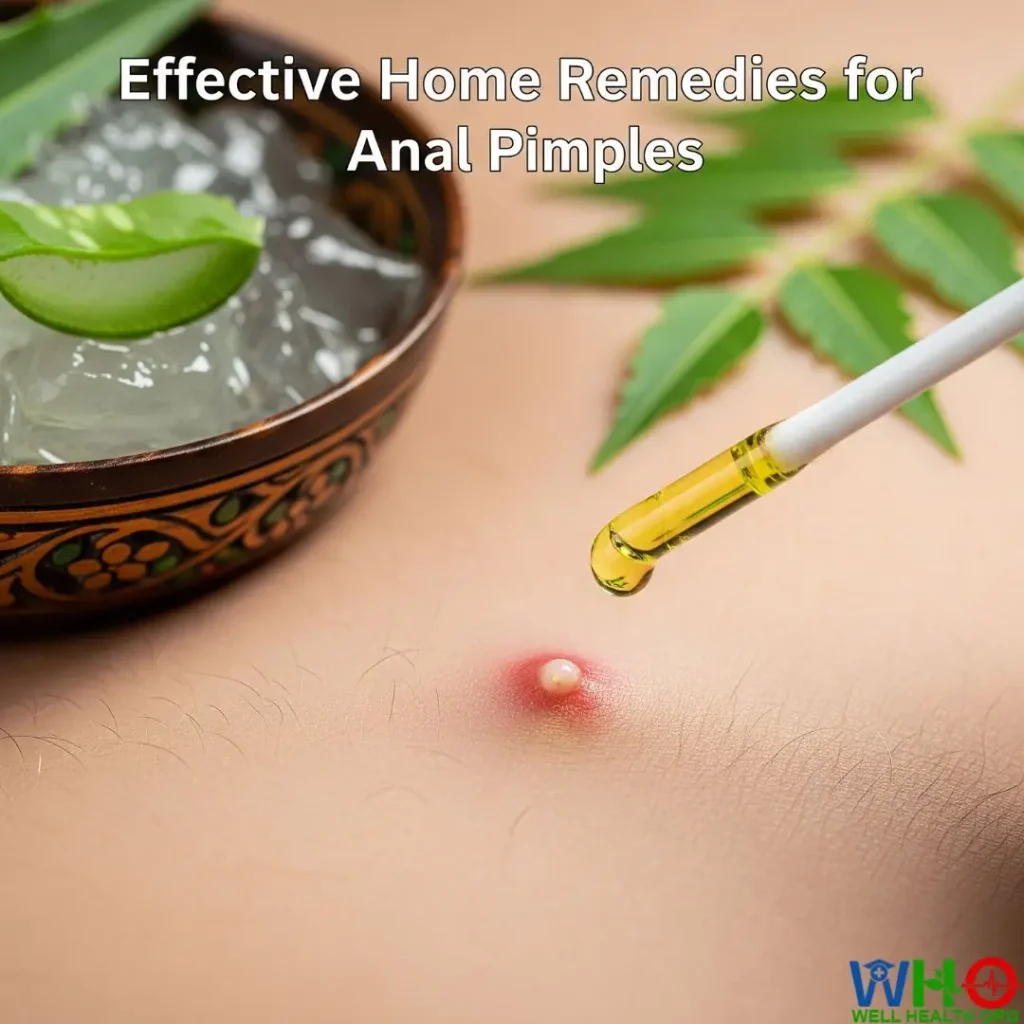
The Golden Rule: Never, under any circumstances, squeeze, pop, or pick at an anal pimple. The bacteria in this region are abundant. Popping a pimple opens a direct gateway for fecal bacteria to enter your bloodstream or the deeper tissue layers, which can turn a minor zit into a massive, life-threatening infection.
1. The Warm Compress Strategy
This is the gold standard for treating deep or painful pimples. Heat improves blood circulation to the area, which brings white blood cells to fight the infection. It also softens the skin and the hardened oil within the pore, encouraging it to open and drain naturally.
How to do it correctly:
- Soak a clean, soft washcloth in water that is warm to the touch (not scalding hot—the skin here is sensitive).
- Wring it out so it is damp but not dripping.
- Lie on your stomach or side and apply the cloth directly to the bump.
- Hold it there for 10 to 15 minutes. If the cloth cools down, reheat it.
- Repeat this 3 to 4 times a day until the pimple comes to a head and drains.
2. Sitz Baths and Epsom Salts
A sitz bath is a shallow bath used to soak the perineal area. Adding Epsom salts (magnesium sulfate) turns this into a therapeutic treatment. Magnesium sulfate helps reduce inflammation and can help “draw out” the infection and dry out the pimple.
How to do it correctly:
- Fill your bathtub with about 3 to 4 inches of warm water (or use a dedicated sitz bath basin that fits over your toilet).
- Dissolve 1 cup of plain, fragrance-free Epsom salts into the water. Swirl it around until fully dissolved.
- Sit in the water for 15 to 20 minutes. Relax and let the water do the work.
- When finished, gently pat the area completely dry. Do not rub.
3. Tea Tree Oil Application
Tea tree oil is a powerful natural antiseptic. Studies have shown it can be as effective as benzoyl peroxide in treating acne, but with fewer harsh side effects. However, it is very potent and can burn sensitive anal skin if used undiluted.
How to do it correctly:
- Dilute: Mix 1 part tea tree oil with 9 parts carrier oil (like coconut oil, olive oil, or almond oil). Alternatively, mix a drop into a dollop of aloe vera gel.
- Test: If you have sensitive skin, patch-test this mixture on your arm first.
- Apply: Dip a clean cotton swab (Q-tip) into the mixture and dab it precisely on the pimple.
- Wait: Let it dry before putting on underwear. Repeat once in the morning and once at night.
4. Zinc Oxide Cream (Diaper Rash Cream)
This is an overlooked but highly effective remedy. Creams containing zinc oxide (usually marketed for diaper rash) are designed for exactly this environment. Zinc is anti-inflammatory and antibacterial, and the thick cream creates a barrier that protects the pimple from friction and moisture.
How to do it correctly:
- Clean and dry the area thoroughly.
- Apply a small dab of zinc oxide cream directly onto the bump.
- Leave it on during the day or overnight. It will help shrink the pimple and protect it from rubbing against your clothes.
5. Benzoyl Peroxide (Use with Caution)
Benzoyl peroxide is a common acne fighter that kills bacteria and dries out oil. It can be used on the buttocks, but you must be careful near the mucous membranes of the anus.
How to do it correctly:
- Use a low concentration (2.5% or 5%) wash or cream.
- Apply a tiny amount only to the pimple, avoiding the actual anal opening.
- Warning: Benzoyl peroxide bleaches fabrics. Wear white cotton underwear or old underwear that you don’t mind staining.
6. Aloe Vera Gel
If the pimple is red, hot, and itchy, pure aloe vera gel is a great soother. It cools the area and reduces redness without clogging pores further.
How to do it correctly:
- Use pure aloe vera gel (clear, not the green dyed kind).
- Apply a generous amount to the area after a shower.
- Allow it to absorb before dressing.
Hygiene and Lifestyle Adjustments During Healing
Treating the pimple is only half the battle. You must adjust your daily routine to ensure the environment allows for healing.
Switch to Cotton Underwear
While you are healing, put away the silk, lace, polyester, or spandex underwear. These fabrics trap heat and moisture. 100% cotton is breathable and absorbent, wicking sweat away from the skin and keeping the area cooler. If possible, sleep without underwear to allow the area to “air out” completely.
The “Pat, Don’t Rub” Technique
After showering or using a warm compress, be extremely gentle. Rubbing the area with a towel can micro-exfoliate the top of the pimple, causing it to rupture prematurely. Instead, use a soft towel and press it against the skin to absorb water, then lift.
Toilet Hygiene
During a breakout, using dry toilet paper can be irritating. Consider using:
- A Bidet: This is the most hygienic option, washing the bacteria away without friction.
- Wet Wipes: Use fragrance-free, alcohol-free wipes (often sold as “sensitive” or “baby” wipes).
- Water Bottle: A peri-bottle (squeeze bottle) with warm water can act as a manual bidet.
Avoid Sitting for Too Long
If you have a desk job, stand up every 30 to 60 minutes. Walk around for a few minutes to restore blood flow to the glutes and allow some heat to dissipate from the area. If sitting is painful, use a donut cushion to take the pressure off the pimple.
Preventing Recurrence: How to Stop It Coming Back
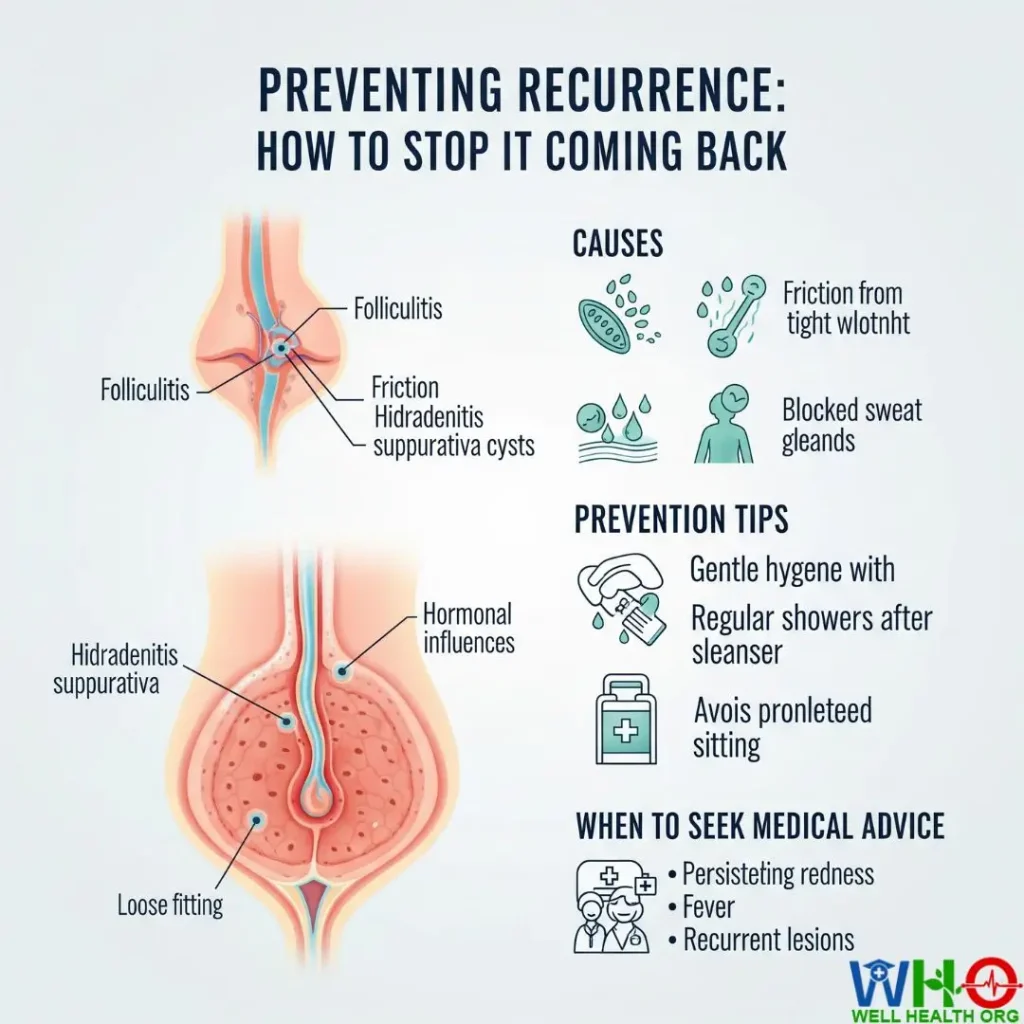
Once the pimple has healed, you want to ensure it doesn’t return. Prevention requires a holistic approach to hygiene, clothing, and diet.
1. Exfoliation is Key
Dead skin cells are a primary component of pimples. Gentle exfoliation keeps pores clear.
- Chemical Exfoliation: Use a body wash containing Salicylic Acid (BHA) or Glycolic Acid (AHA) 2-3 times a week. These acids dissolve the “glue” holding dead skin cells together and penetrate deep into the pores to clear out oil.
- Physical Exfoliation: Use a gentle washcloth or a mild scrub once a week. Avoid harsh loofahs, which can harbor bacteria.
2. Re-evaluate Your Laundry Routine
Sometimes the culprit is your detergent. Strong fragrances and dyes in laundry detergent can cause contact dermatitis or irritation that looks like acne. Switch to a “Free and Clear” hypoallergenic detergent for your underwear and towels. Also, avoid using fabric softeners on your underwear, as the waxy coating that softens fabric can also clog fabric fibers, reducing breathability.
3. Change Immediately After Sweating
If you exercise, do not sit in your gym clothes. The combination of sweat and synthetic leggings/shorts is the number one cause of “buttne” (butt acne). Shower immediately after your workout. If you cannot shower, at least change into dry, clean underwear and wipe the area with a salicylic acid pad.
4. Hair Removal Alternatives
If you find that you constantly get pimples after shaving the area, stop shaving. Consider trimming with an electric trimmer with a guard (which prevents the razor from touching the skin) or look into laser hair removal. Laser removal reduces the hair density and destroys the follicle, effectively eliminating the chance of ingrown hairs forever.
5. Dietary Considerations
While the link between diet and acne is still debated, many people find that high-glycemic foods (sugary snacks, white bread) and excessive dairy consumption can trigger inflammation. Drinking plenty of water is universally beneficial; it helps flush toxins from the body and keeps the skin hydrated and elastic, preventing pore blockages.
When to See a Doctor: Red Flags
While most anal pimples are harmless annoyances, there are specific signs that indicate the situation has moved beyond home remedies. Do not hesitate to seek professional medical help if you experience the following:
1. Rapid Increase in Size and Pain
If a small bump turns into a large, golf-ball-sized lump within a day or two and is excruciatingly painful to touch or sit on, it is likely an anal abscess. This requires surgical drainage.
2. Fever and Chills
If you develop a fever, chills, or body aches alongside the bump, the infection has likely spread to your system (systemic infection). This is dangerous and requires antibiotics immediately.
3. Foul-Smelling Discharge
A normal pimple may release a small amount of white or yellow pus. However, if the drainage is continuous, copious, or smells very bad, it could indicate a fistula (an abnormal tunnel connecting the infected gland to the skin) or a deeper infection.
4. Rectal Bleeding
Pimples generally do not bleed significantly unless picked at. If you notice bright red blood in the toilet bowl or on the toilet paper that isn’t related to the pimple popping, it could be hemorrhoids, fissures, or other internal issues.
5. Lack of Improvement
If you have been diligently using home remedies for 7 to 10 days and see absolutely no improvement—or if it is getting worse—see a doctor. It might not be a pimple at all.
What to Expect at the Doctor
Many people avoid the doctor due to embarrassment. Remember: doctors have seen it all. They are professionals. A visit will usually involve:
- A visual inspection of the area.
- A palpation (feeling the bump) to check for depth and heat.
- If it is an abscess, they may numb the area and make a small incision to drain it (providing instant relief).
- Prescription of oral antibiotics if the infection is severe.
Conclusion
Dealing with a pimple near the anus is uncomfortable, but it is rarely a cause for alarm. It is simply a clogged pore in an inconvenient location. By maintaining good hygiene, using warm compresses, and allowing the area to breathe, your body will usually resolve the issue within a few days to a week.
The key takeaways are patience and gentleness. Treat the area with care—clean it gently, keep it dry, and wear loose clothing. Avoid the temptation to pop it, as this carries high risks in this part of the body.
By adopting the preventive measures outlined in this guide—such as wearing cotton underwear, showering after sweat sessions, and exfoliating gently—you can significantly reduce the chances of this annoying issue returning. Listen to your body, treat it well, and don’t hesitate to seek professional help if things don’t feel right. Your comfort and health are worth it.
Medically Reviewed by Prof. Dr. Akram
Orthopedic Surgeon | Professor | Senior Medical Specialist
Prof. Dr. Akram is a distinguished surgeon with over 15 years of clinical expertise. Having served as a lead Emergency Specialist at Complex International Government Hospital, he currently leads a specialized team of 13 medical professionals at his private hospital. As a Professor at top medical universities, he ensures that every article on WellHealthOrg.com meets rigorous clinical standards.
Medical Disclaimer:
The information provided is for educational purposes only and is not a substitute for professional medical advice, diagnosis, or treatment. Always consult your physician for any medical concerns.
Our content is rigorously fact-checked by our 13-member Editorial Team under the clinical supervision of Prof. Dr. Akram.







