
Inflammation is a double-edged sword — it’s your body’s way of protecting itself, yet when it goes unchecked, it can quietly damage your health over time. When you scrape your knee, catch a cold, or twist an ankle, inflammation is your immune system’s immediate defense. It sends white blood cells to the affected area, triggering redness, warmth, and swelling — signs that healing has begun.
- Understanding Anti-Inflammatory Medications
- Over-the-Counter (OTC) Anti-Inflammatory Options
- NSAIDs: Ibuprofen and Naproxen
- Aspirin: The Original Anti-Inflammatory Powerhouse
- Prescription Anti-Inflammatory Medications
- Prescription NSAIDs
- Corticosteroids: Potent Inflammation Fighters
- Disease-Modifying Antirheumatic Drugs (DMARDs): Targeting Inflammation at Its Source
- Natural Anti-Inflammatory Alternatives
- Turmeric and Curcumin: Nature’s Golden Healers
- Omega-3 Fatty Acids: Fighting Inflammation from Within
- Green Tea and Other Herbal Allies
- Lifestyle Changes to Reduce Inflammation Naturally
- Adopt an Anti-Inflammatory Diet
- Exercise: Movement as Medicine
- Stress Management: The Hidden Inflammation Trigger
- Important Considerations Before Taking Anti-Inflammatory Medications
- Pregnancy and Anti-Inflammatory Use
- Drug Interactions and Side Effects
- Proper Dosage and Usage Guidelines
- Combining Medication with Natural Approaches
- When to See a Doctor
- Taking Control of Your Health
- Conclusion
- Frequently Asked Questions (FAQs)
However, problems arise when inflammation becomes chronic. Instead of resolving once the body heals, the inflammatory process continues, sometimes silently. Chronic inflammation can contribute to a host of health concerns, including arthritis, heart disease, diabetes, and even certain cancers. Understanding how to control and manage inflammation — through medication, natural remedies, and lifestyle adjustments — can drastically improve your well-being and overall quality of life.
This comprehensive guide explores every corner of inflammation management — from over-the-counter medications to prescription drugs and natural alternatives that promote healing from the inside out. By the end, you’ll have a detailed roadmap to make informed decisions about which anti-inflammatory options fit your health needs best.
Disclaimer: This article is for educational purposes only and should not replace professional medical advice. Always consult a licensed healthcare provider before starting or adjusting any medication or supplement regimen.
Understanding Anti-Inflammatory Medications
Anti-inflammatory medications target the biological pathways that trigger swelling, pain, and discomfort. When you take these medications, they block enzymes or chemicals in your body responsible for creating inflammation — particularly prostaglandins and cytokines.
There are two primary classes of anti-inflammatory medications: nonsteroidal anti-inflammatory drugs (NSAIDs) and corticosteroids. While both reduce inflammation, they operate differently and are used for distinct conditions.
NSAIDs are generally used for mild to moderate pain or inflammation, such as muscle soreness, menstrual cramps, or joint stiffness. Corticosteroids, on the other hand, are far stronger and are typically prescribed for chronic or severe inflammatory conditions like asthma, lupus, or autoimmune diseases.
Understanding how these medications work — and the potential risks or benefits of each — is crucial to finding the most effective and safest approach for your needs.
Over-the-Counter (OTC) Anti-Inflammatory Options
Many people begin their inflammation management journey with OTC medications, which are both accessible and effective for mild to moderate symptoms. These drugs can be found at any pharmacy and are commonly used for temporary pain relief, swelling reduction, and fever management.

NSAIDs: Ibuprofen and Naproxen
NSAIDs are the cornerstone of anti-inflammatory therapy. They block the enzymes COX-1 and COX-2, which are responsible for producing prostaglandins — the chemicals that cause inflammation, pain, and fever.
Ibuprofen (Advil, Motrin, Brufen):
Ibuprofen is one of the most widely used pain relievers. It’s effective for headaches, dental pain, menstrual cramps, minor injuries, and arthritis. Because it acts relatively quickly, most people experience relief within 30 to 60 minutes of taking a dose. However, long-term use should be avoided unless directed by a healthcare professional, as it can irritate the stomach lining and affect kidney function.
Naproxen Sodium (Aleve, Naprosyn):
Naproxen provides longer-lasting pain relief compared to ibuprofen, often lasting up to 12 hours per dose. It’s especially useful for chronic conditions such as osteoarthritis or back pain. While it’s considered gentler on the stomach than some other NSAIDs, taking it with food or milk is recommended to reduce gastrointestinal discomfort.
Both ibuprofen and naproxen can be highly effective, but users should be mindful of dosage and avoid combining multiple NSAIDs simultaneously, as this can increase the risk of stomach ulcers or bleeding.
Aspirin: The Original Anti-Inflammatory Powerhouse
Aspirin, also known as acetylsalicylic acid, is one of the oldest anti-inflammatory agents and remains a staple in medicine cabinets worldwide. Beyond relieving pain and fever, aspirin has an added cardiovascular benefit — when taken in low doses, it helps prevent blood clots, reducing the risk of heart attacks and strokes.
That said, aspirin should be used carefully. Because it affects platelet function, it can increase the risk of bleeding, especially when combined with other anticoagulants. Individuals with bleeding disorders, ulcers, or those who consume alcohol frequently should use aspirin under medical guidance.
For people seeking heart health protection, low-dose aspirin therapy can be beneficial, but it should only be started under a doctor’s recommendation.
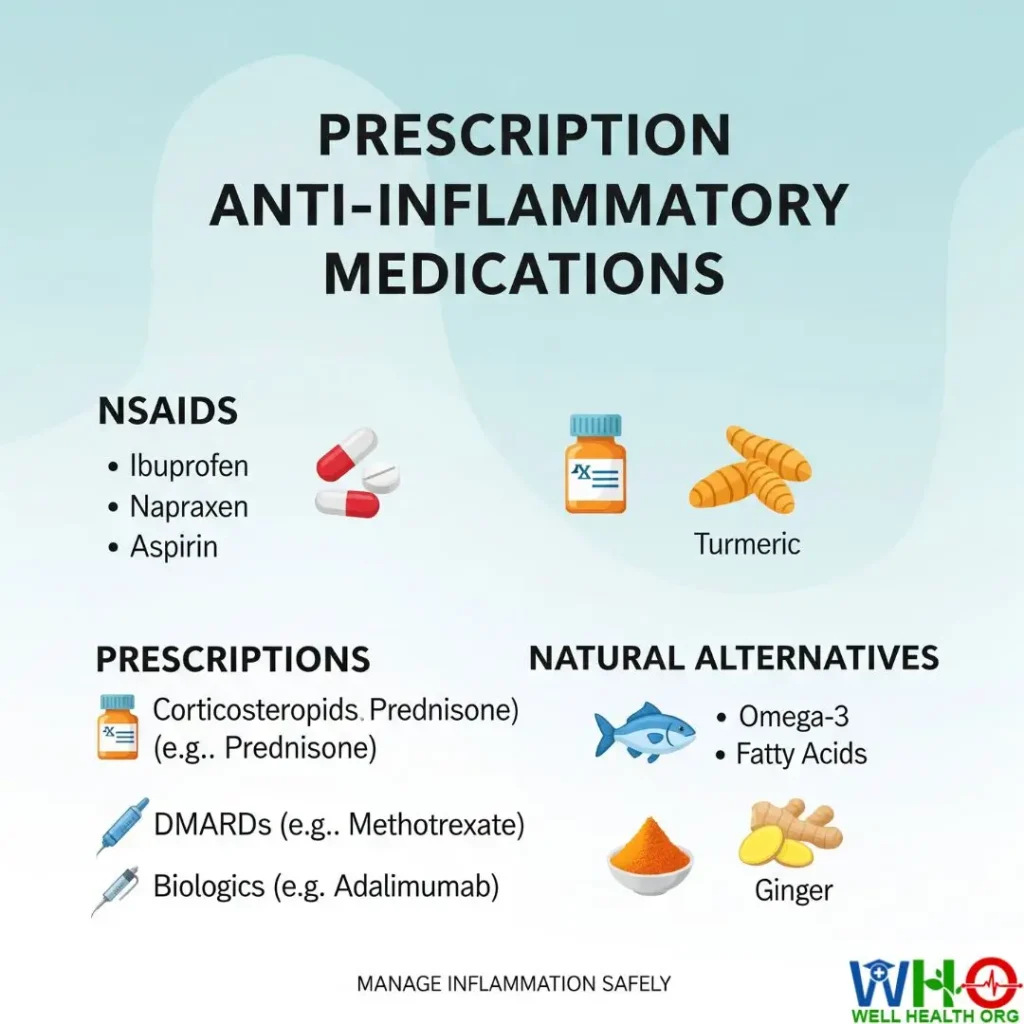
Prescription Anti-Inflammatory Medications
When OTC medications don’t provide enough relief, healthcare providers may turn to prescription options. These medications are typically stronger, longer-lasting, and more targeted for severe or chronic inflammation.
Prescription NSAIDs
While prescription NSAIDs work similarly to their OTC counterparts, they often come in higher doses or are designed for specific conditions that require more powerful anti-inflammatory action. Common examples include:
- Celecoxib (Celebrex): A COX-2 selective inhibitor, designed to reduce inflammation without irritating the stomach as much as traditional NSAIDs. It’s frequently prescribed for arthritis and chronic joint pain.
- Diclofenac (Voltaren): Available in both oral and topical forms, diclofenac is ideal for localized pain, such as joint stiffness or tendon inflammation.
- Indomethacin: A potent NSAID used for acute gout attacks, severe arthritis, and ankylosing spondylitis.
- Ketorolac: Often used short-term after surgery to relieve moderate to severe pain.
- Meloxicam: Commonly prescribed for long-term inflammatory conditions, such as osteoarthritis and rheumatoid arthritis, due to its once-daily dosing and relatively mild gastrointestinal side effects.
These medications can provide significant relief but should always be used under close medical supervision to avoid potential cardiovascular, gastrointestinal, or kidney-related side effects.
Corticosteroids: Potent Inflammation Fighters
Corticosteroids, sometimes called “steroids,” are synthetic versions of the hormone cortisol, which your adrenal glands produce naturally. They are highly effective in reducing inflammation, suppressing the immune system, and managing flare-ups of autoimmune diseases.
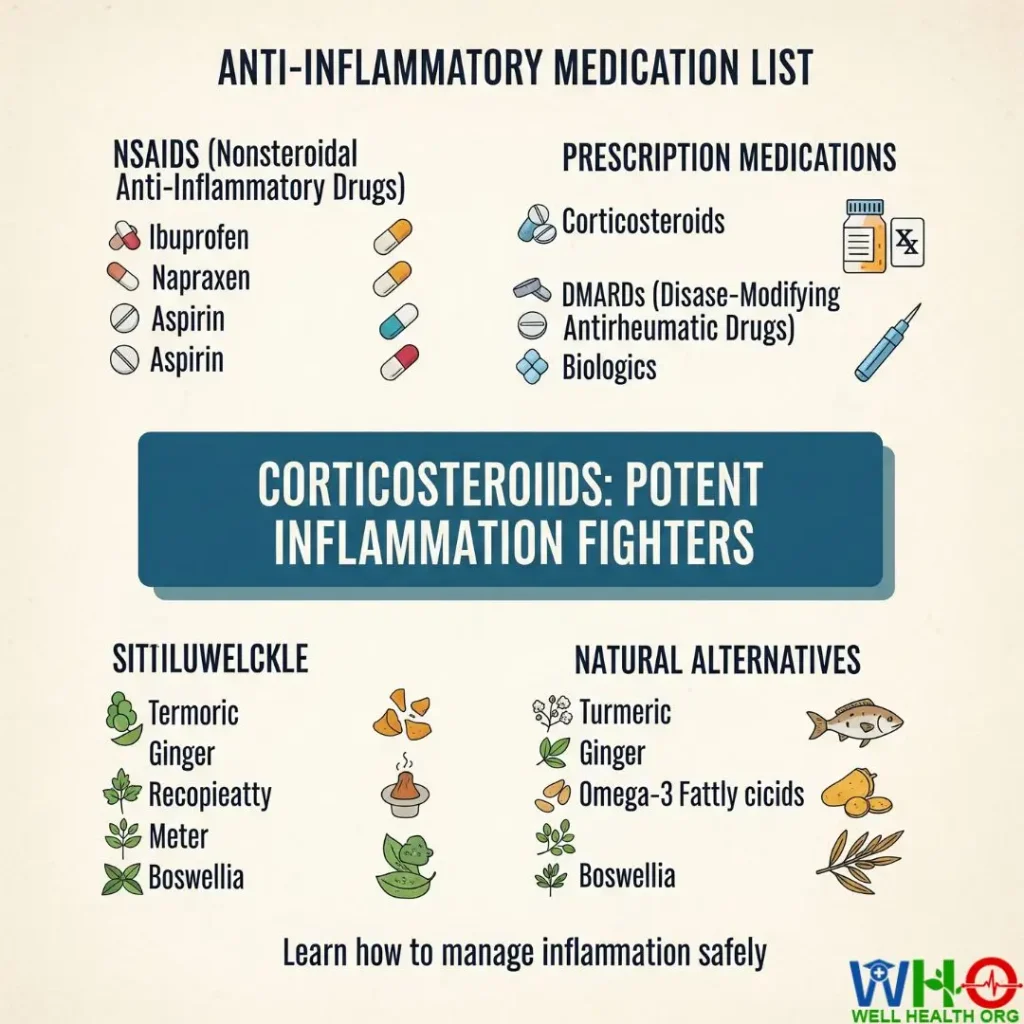
Common corticosteroids include:
- Hydrocortisone
- Cortisone
- Prednisone
- Methylprednisolone
- Dexamethasone
Corticosteroids can be administered orally, via injection, inhaler, or topical cream, depending on the condition being treated. They are particularly helpful for asthma, severe allergies, lupus, inflammatory bowel disease (IBD), and rheumatoid arthritis.
However, long-term corticosteroid use carries potential side effects such as weight gain, osteoporosis, high blood pressure, and increased susceptibility to infections. That’s why healthcare professionals usually prescribe them for short durations or taper the dosage gradually to minimize withdrawal effects.
Disease-Modifying Antirheumatic Drugs (DMARDs): Targeting Inflammation at Its Source
While NSAIDs and corticosteroids mainly focus on reducing symptoms of inflammation, Disease-Modifying Antirheumatic Drugs (DMARDs) take a deeper approach. They work by addressing the underlying cause of chronic inflammation, particularly in autoimmune diseases like rheumatoid arthritis, lupus, and psoriatic arthritis.
Unlike pain relievers that act quickly, DMARDs take weeks or even months to show noticeable results. However, their long-term benefit lies in their ability to slow disease progression, protect joints from permanent damage, and maintain mobility.
Common DMARDs include:
- Methotrexate: One of the most widely prescribed DMARDs. It works by interfering with the overactive immune system, reducing inflammation at its source.
- Sulfasalazine: Often used in inflammatory bowel disease and arthritis, it combines antibacterial and anti-inflammatory effects.
- Leflunomide: A potent immunomodulator that slows the growth of immune cells that trigger inflammation.
- Hydroxychloroquine: Originally developed as an antimalarial drug, it’s effective in treating autoimmune diseases like lupus due to its immune-regulating abilities.
In some cases, doctors prescribe biologic DMARDs, a newer generation of drugs designed to target specific molecules in the immune system responsible for inflammation. Examples include etanercept (Enbrel), adalimumab (Humira), and infliximab (Remicade).
Because these medications affect immune function, patients taking DMARDs require regular blood tests to monitor liver function, blood counts, and infection risk. Under proper supervision, however, DMARDs can offer life-changing results for those living with chronic inflammatory diseases.
Natural Anti-Inflammatory Alternatives
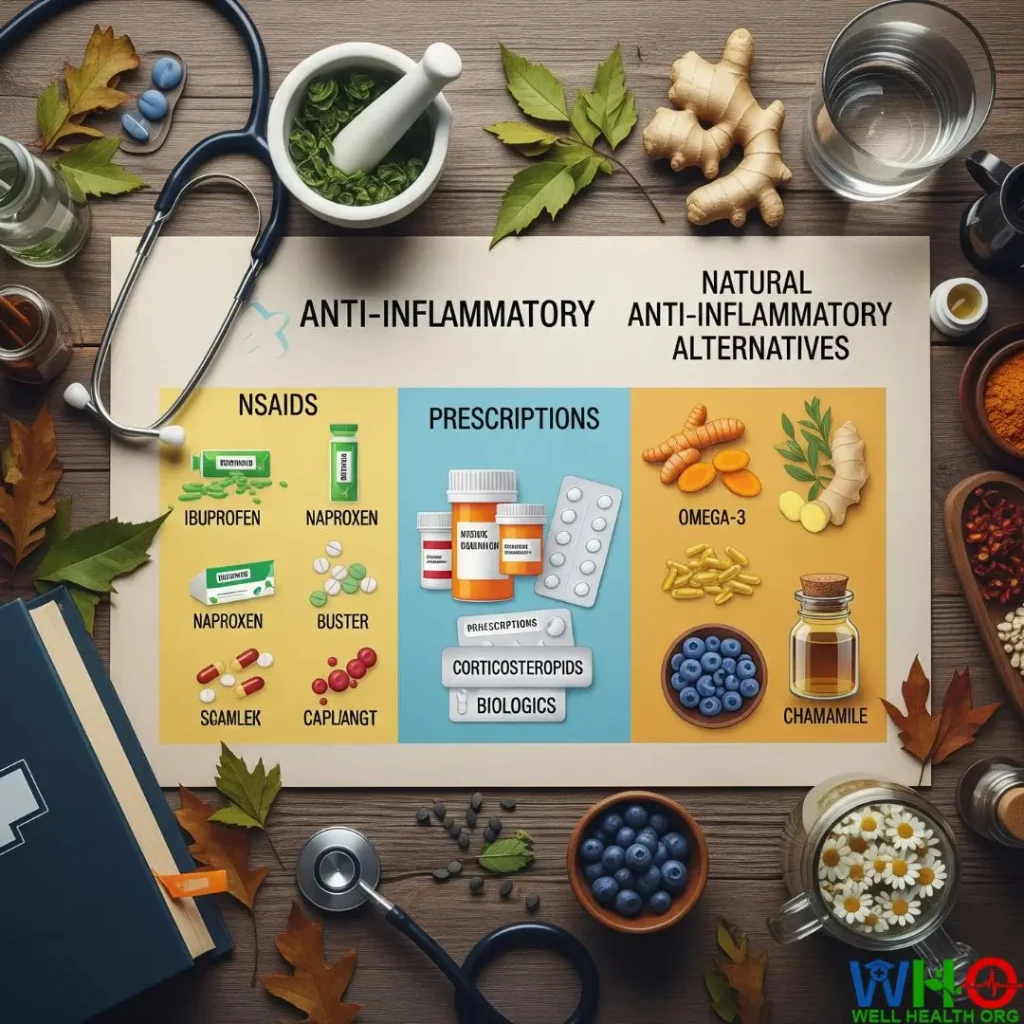
While pharmaceutical medications are often necessary, many people prefer or supplement them with natural anti-inflammatory options. These remedies can be highly effective in reducing inflammation, especially for those with mild symptoms or for preventive care.
Turmeric and Curcumin: Nature’s Golden Healers
Turmeric has been used in Ayurvedic and traditional medicine for centuries — and for good reason. The active compound, curcumin, is a natural anti-inflammatory and antioxidant that can rival some over-the-counter medications in effectiveness.
Curcumin works by blocking molecules like NF-kB that play a major role in chronic inflammation. Studies suggest it may be beneficial for conditions like arthritis, muscle soreness, and even neuroinflammatory disorders.
To boost absorption, combine turmeric with black pepper (piperine) or a healthy fat such as olive oil. Turmeric supplements are also available in concentrated forms for therapeutic use.
Practical Tip: Try making “golden milk” — a soothing blend of turmeric, black pepper, cinnamon, and milk (or a non-dairy alternative). It’s both anti-inflammatory and comforting before bedtime.
Omega-3 Fatty Acids: Fighting Inflammation from Within
Omega-3 fatty acids, found abundantly in fatty fish such as salmon, mackerel, sardines, and tuna, are among the best natural inflammation fighters. They reduce the production of inflammatory compounds like cytokines and eicosanoids.
For those who don’t eat fish regularly, fish oil supplements or algal oil (a plant-based alternative) can provide sufficient omega-3s. Research consistently shows that omega-3s can ease joint stiffness, reduce swelling, and even improve heart and brain health.
To further enhance the anti-inflammatory benefits, pair omega-3s with a diet rich in antioxidant foods like leafy greens, berries, and nuts — these combinations work synergistically to keep inflammation at bay.
Green Tea and Other Herbal Allies
Green tea contains a potent compound called EGCG (epigallocatechin gallate), which has been found to lower inflammatory markers in the body. Drinking one to three cups a day can help support long-term joint and cardiovascular health.
Other herbal options include:
- Ginger: Works similarly to NSAIDs by blocking inflammatory pathways. Excellent for muscle pain, menstrual cramps, and digestive inflammation.
- Boswellia (Indian Frankincense): A resin extract known for reducing inflammation in conditions like arthritis.
- Garlic: Rich in sulfur compounds that inhibit inflammatory enzymes. Regular consumption can support immune health and lower blood pressure.
Herbal remedies can be effective, but potency varies depending on the form (tea, capsule, or extract) and individual response. Consulting with a healthcare professional or herbalist ensures safe and effective use.
Lifestyle Changes to Reduce Inflammation Naturally
Medication alone can only go so far. To achieve lasting relief and reduce inflammation holistically, lifestyle choices play a pivotal role.

Adopt an Anti-Inflammatory Diet
Food is one of the most powerful tools for managing inflammation naturally. A well-balanced anti-inflammatory diet focuses on whole, nutrient-dense foods that nourish the body and minimize inflammatory triggers.
Key Foods to Include:
- Fruits & Vegetables: Especially berries, leafy greens, tomatoes, and cruciferous veggies like broccoli.
- Healthy Fats: Olive oil, avocados, nuts, and seeds.
- Whole Grains: Brown rice, quinoa, oats, and barley.
- Lean Proteins: Fish, poultry, tofu, and legumes.
Foods to Avoid:
- Processed snacks and fast food
- Sugary drinks and refined carbohydrates
- Red and processed meats
- Trans fats and excessive alcohol
A Mediterranean-style diet is often recommended because it naturally incorporates these anti-inflammatory principles.
Exercise: Movement as Medicine
Regular physical activity is a natural anti-inflammatory. Exercise helps regulate immune responses, improves circulation, and lowers the body’s inflammatory markers.
Simple activities like brisk walking, yoga, swimming, or cycling can make a major difference. The key is consistency — aim for at least 150 minutes of moderate exercise per week.
However, balance is crucial. Overexertion or high-intensity workouts without proper recovery can actually increase inflammation temporarily. Listen to your body and gradually build endurance.
Real-life Example:
People with arthritis who start gentle yoga or aqua therapy often report significant reductions in stiffness and pain after just a few weeks — without relying solely on medications.
Stress Management: The Hidden Inflammation Trigger
Few people realize that chronic stress is one of the most powerful inflammation triggers. When you’re stressed, your body releases cortisol and adrenaline, which are helpful short-term but harmful when elevated continuously.
To lower stress-induced inflammation, consider:
- Meditation or Mindfulness: Even 10 minutes daily can lower stress hormone levels.
- Deep Breathing or Tai Chi: Gentle ways to calm the nervous system.
- Quality Sleep: Aim for 7–9 hours per night; poor sleep increases inflammatory cytokines.
A calmer mind supports a calmer body — and this, in turn, helps your immune system function more efficiently.
Important Considerations Before Taking Anti-Inflammatory Medications
Before reaching for any pill or supplement, it’s crucial to understand the potential risks, interactions, and precautions associated with anti-inflammatory treatments. Even though many of these medications are available over the counter, improper use can lead to serious complications. Taking a mindful, informed approach helps ensure your treatment is both safe and effective.
Pregnancy and Anti-Inflammatory Use
If you’re pregnant or planning to become pregnant, you must exercise caution with anti-inflammatory medications. Certain NSAIDs, especially during the third trimester, can interfere with the baby’s heart development or cause complications during delivery.
For instance, drugs like ibuprofen or naproxen are generally discouraged after 20 weeks of pregnancy, as they can reduce amniotic fluid levels or affect kidney function in the fetus. In such cases, doctors often recommend acetaminophen (Tylenol) instead, which provides pain relief without the same anti-inflammatory risks.
Always consult an OB-GYN or healthcare provider before taking any medication during pregnancy or while breastfeeding. Even natural supplements can pose risks if not properly evaluated for safety.
Drug Interactions and Side Effects
Another critical consideration is how anti-inflammatory medications interact with other drugs or supplements you may already be taking. NSAIDs, for example, can have dangerous interactions with:
- Blood thinners (e.g., Warfarin, Heparin): Can increase the risk of internal bleeding.
- Antidepressants (SSRIs like fluoxetine or sertraline): May raise the risk of gastrointestinal bleeding.
- Blood pressure medications (ACE inhibitors, Diuretics): NSAIDs can reduce their effectiveness and increase kidney strain.
- Corticosteroids: Using both simultaneously can significantly heighten the risk of stomach ulcers.
Additionally, even though OTC medications are widely accessible, overuse or misuse can lead to serious side effects such as:
- Stomach irritation or ulcers
- Kidney or liver damage
- Increased blood pressure
- Heart attack or stroke risk (with prolonged NSAID use)
To stay safe, read medication labels carefully, follow dosage instructions strictly, and avoid taking multiple anti-inflammatories at the same time.
Proper Dosage and Usage Guidelines
One of the most common mistakes people make is assuming that “more medication equals faster relief.” Unfortunately, this can lead to serious health consequences. Always adhere to the recommended dosage printed on the medication label or prescribed by your doctor.
For example:
- Ibuprofen: Generally safe at doses of 200–400 mg every 4–6 hours as needed, but should not exceed 1200 mg daily for OTC use without medical supervision.
- Naproxen: Typically taken every 8–12 hours, with a maximum of 660 mg per day.
- Aspirin: Low doses (81–100 mg) are used for heart protection, while higher doses (325–650 mg) can reduce inflammation or pain.
When taking prescription medications, your doctor may adjust doses based on your age, health condition, and kidney or liver function. Never stop or alter a prescribed treatment without consulting a healthcare professional — abrupt changes can cause withdrawal symptoms or worsen inflammation.
To minimize stomach irritation, it’s wise to take NSAIDs with food or milk and drink plenty of water. Avoid alcohol consumption while using these medications, as it can amplify the risk of ulcers and internal bleeding.
Combining Medication with Natural Approaches
While anti-inflammatory drugs are powerful, combining them with natural and lifestyle-based strategies can often lead to better long-term results. Think of medication as a temporary tool — while diet, movement, and stress management form the foundation of sustainable healing.

For instance, individuals with arthritis may take NSAIDs to manage flare-ups but rely on omega-3 supplements, yoga, and anti-inflammatory foods to maintain comfort between episodes. Similarly, someone with chronic back pain might pair physical therapy and curcumin supplements with occasional medication use for optimal control.
This integrated approach not only reduces dependency on pharmaceuticals but also minimizes side effects while enhancing overall wellness.
When to See a Doctor
Not all inflammation is created equal — and sometimes, what seems like a minor issue could be a sign of something more serious. Seek medical attention if you experience:
- Persistent pain or swelling lasting longer than a few weeks
- Stiffness or joint pain that limits mobility
- Fever, fatigue, or unexplained weight loss accompanying inflammation
- Signs of internal bleeding such as black stools or vomiting blood
- Breathing difficulties or facial swelling after taking medication (possible allergic reaction)
Your doctor may recommend lab tests, imaging scans, or referrals to specialists such as a rheumatologist or gastroenterologist, depending on your symptoms. Early diagnosis can prevent complications and ensure a safer, more effective treatment plan.
Taking Control of Your Health
Inflammation doesn’t have to dictate your quality of life. With the right mix of medication, natural remedies, and mindful lifestyle habits, you can manage pain, promote healing, and protect your long-term health.
Here’s a quick recap of the key steps to regain control:
- Understand your inflammation triggers — whether they’re dietary, lifestyle-related, or medical.
- Start small with OTC options, but don’t hesitate to consult a doctor if symptoms persist.
- Explore natural remedies like turmeric, omega-3s, or green tea as complementary tools.
- Adopt anti-inflammatory lifestyle changes — eat whole foods, stay active, manage stress, and get restorative sleep.
- Work closely with your healthcare provider to design a treatment plan tailored to your body’s needs.
Remember, managing inflammation isn’t just about relieving pain — it’s about creating a balanced internal environment where your body can thrive naturally.
Conclusion
Inflammation is an essential part of healing — but when it becomes chronic, it can quietly undermine your health. Thankfully, today’s options for managing inflammation are broader and more effective than ever. From classic NSAIDs and corticosteroids to natural compounds like turmeric and omega-3s, you have numerous tools to control symptoms and improve overall well-being.
The key is balance. Use medications wisely, embrace lifestyle habits that promote wellness, and stay proactive about your health. With knowledge and the right plan, you can live comfortably, move freely, and keep chronic inflammation in check.
Frequently Asked Questions (FAQs)
1. What is the safest anti-inflammatory medication for daily use?
For most people, ibuprofen or naproxen can be used occasionally under medical guidance. However, long-term use should be avoided unless prescribed. Natural options like turmeric and omega-3s are safer for daily use.
2. Can I take NSAIDs and natural supplements together?
In most cases, yes — but always check with a healthcare provider first. For example, both turmeric and NSAIDs can thin the blood, so combining them may increase bleeding risk.
3. Are there non-drug ways to reduce inflammation?
Absolutely. Regular exercise, an anti-inflammatory diet, adequate sleep, and stress reduction are all proven ways to lower inflammation naturally.
4. How long does it take for inflammation to go away?
Acute inflammation typically resolves within a few days to weeks, while chronic inflammation may require ongoing management through medications and lifestyle adjustments.
5. What are signs that inflammation is becoming dangerous?
If inflammation is accompanied by fever, fatigue, swelling that doesn’t go away, or unexplained weight loss, it could signal an underlying health condition — seek medical attention immediately.
Medically Reviewed by Prof. Dr. Akram
Orthopedic Surgeon | Professor | Senior Medical Specialist
Prof. Dr. Akram is a distinguished surgeon with over 15 years of clinical expertise. Having served as a lead Emergency Specialist at Complex International Government Hospital, he currently leads a specialized team of 13 medical professionals at his private hospital. As a Professor at top medical universities, he ensures that every article on WellHealthOrg.com meets rigorous clinical standards.
Medical Disclaimer:
The information provided is for educational purposes only and is not a substitute for professional medical advice, diagnosis, or treatment. Always consult your physician for any medical concerns.
Our content is rigorously fact-checked by our 13-member Editorial Team under the clinical supervision of Prof. Dr. Akram.