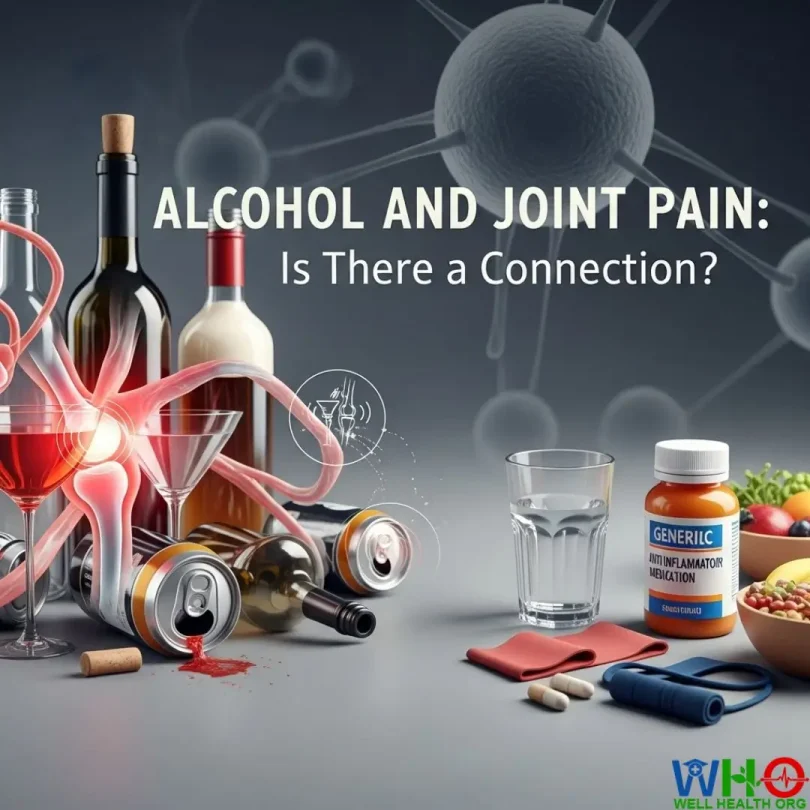
Alcohol and Joint Pain
Enjoying a glass of wine with dinner or raising a toast at a celebration is a normal part of life for many. But for some, drinking alcohol brings along an unwelcome side effect: aching, stiff, or inflamed joints. If you’ve ever noticed that your knees, hips, or fingers hurt more after a night of drinking, you’re not imagining it.
- Understanding Joint Pain: More Than Just Wear and Tear
- Types of Arthritis Most Often Linked to Alcohol
- How Alcohol Affects the Body (and Your Joints)
- 1. Alcohol and Inflammation
- 2. Alcohol and Dehydration
- 3. Alcohol and Sleep Disruption
- Alcohol’s Role in Specific Joint Conditions
- Alcohol and Gout
- Alcohol and Osteoarthritis (OA)
- Alcohol and Rheumatoid Arthritis (RA)
- Managing Joint Pain When Drinking Alcohol
- 1. Limit Your Intake
- 2. Choose Wisely
- 3. Stay Hydrated
- 4. Watch Your Diet
- 5. Prioritize Sleep
- 6. Stay Active
- 7. Talk to Your Doctor
- Take Control of Your Joint Health
- Frequently Asked Questions About Alcohol and Joint Pain
- 1. Does quitting alcohol completely stop joint pain?
- 2. What type of alcohol is worst for joint pain?
- 3. Can moderate drinking actually help with arthritis?
- 4. How quickly can alcohol trigger joint pain?
- 5. Is alcohol safe if I’m on arthritis medication?
- 6. Does alcohol cause arthritis?
- Conclusion: Alcohol and Joint Pain – What You Need to Know
- Key Takeaways
The link between alcohol and joint pain is complex, but research shows that alcohol can influence inflammation, hydration, and certain medical conditions that affect your joints. In this comprehensive guide, we’ll explore:
- How alcohol impacts your body and your joints
- The role of alcohol in conditions like gout, osteoarthritis, and rheumatoid arthritis
- Why some people are more affected than others
- Practical steps you can take to protect your joint health while still enjoying life
By the end, you’ll have a clear picture of how your drinking habits may be affecting your joints and what to do if you suspect alcohol is worsening your pain.
Understanding Joint Pain: More Than Just Wear and Tear
Joint pain is one of the most common health complaints, especially as people age. It can range from mild stiffness in the morning to debilitating pain that limits daily activities. Causes vary widely and can include:
- Injuries or overuse – common in athletes or those with repetitive strain.
- Autoimmune conditions – like rheumatoid arthritis (RA).
- Inflammatory arthritis – such as gout or psoriatic arthritis.
- Degenerative conditions – including osteoarthritis (OA).
Types of Arthritis Most Often Linked to Alcohol
- Osteoarthritis (OA):
Often described as “wear-and-tear arthritis,” OA happens when the protective cartilage at the ends of bones breaks down over time. This leads to stiffness, swelling, and pain. - Rheumatoid Arthritis (RA):
An autoimmune disease in which the immune system mistakenly attacks the lining of the joints, RA causes painful swelling, joint deformity, and long-term disability if untreated. - Gout:
A painful type of arthritis caused by a buildup of uric acid crystals in the joints, most often in the big toe. Alcohol, especially beer, is a major trigger.
Understanding which type of arthritis you have (or if your pain comes from another cause entirely) is crucial in figuring out how alcohol may be influencing your symptoms.
How Alcohol Affects the Body (and Your Joints)
Alcohol doesn’t just affect the liver or brain—it influences nearly every system in the body, including those that protect joint health. Here’s how:
1. Alcohol and Inflammation
Inflammation is your body’s defense system against injury or infection. But chronic or excessive inflammation can damage healthy tissues, including joints.
- Moderate alcohol consumption (like a glass of red wine) has sometimes been linked to anti-inflammatory effects.
- Excessive alcohol consumption, however, promotes inflammation, leading to joint swelling, pain, and flare-ups in those with arthritis.
Dr. Emily Carter, a rheumatologist, explains:
“While moderate alcohol consumption may not affect everyone, individuals with inflammatory conditions should be cautious, as alcohol can exacerbate inflammation and pain.”
2. Alcohol and Dehydration
Alcohol is a diuretic, meaning it makes you urinate more often. This depletes your body’s hydration reserves, which can worsen joint discomfort:
- Synovial fluid (the lubricant that cushions joints) requires proper hydration.
- Cartilage, which is up to 80% water, becomes less effective at shock absorption when dehydrated.
Registered dietitian Sarah Johnson adds:
“Hydration is crucial; alcohol can dehydrate the body, leading to increased joint stiffness and pain. Always drink plenty of water alongside alcoholic beverages.”
3. Alcohol and Sleep Disruption
Alcohol might help you fall asleep faster, but it disrupts REM sleep, the most restorative stage. Poor-quality sleep is linked to higher pain sensitivity and increased inflammation, making joint pain feel worse the next day.
Alcohol’s Role in Specific Joint Conditions
Alcohol and Gout
The connection here is undeniable. Gout flares are directly linked to alcohol intake, especially beer and liquor.
Why?
- Alcohol increases uric acid production.
- It decreases your kidneys’ ability to remove uric acid.
- Beer contains purines, which your body breaks down into uric acid.
Dr. Michael Green, a gout researcher, states:
“Our studies indicate a direct correlation between high-purine alcohol consumption and gout flares, suggesting that limiting certain alcoholic beverages can significantly reduce joint pain.”
Alcohol and Osteoarthritis (OA)
The research on OA is more mixed:
- Older studies once suggested alcohol might have a protective effect, but newer evidence shows heavy drinking may worsen OA progression, particularly in the knees.
- Alcohol can also interfere with the effectiveness of pain medications, making OA harder to manage.
Dr. James Lee, Orthopedic Surgeon, warns:
“Heavy alcohol use can interfere with the effectiveness of joint pain medications and may lead to increased joint damage over time.”
Alcohol and Rheumatoid Arthritis (RA)
Some studies suggest light to moderate drinking may slightly reduce RA risk, possibly due to alcohol’s mild anti-inflammatory effects. However, for those already diagnosed:
- Excessive alcohol worsens RA symptoms.
- Alcohol can interact dangerously with methotrexate, a common RA medication, increasing liver damage risk.
Managing Joint Pain When Drinking Alcohol
If you suspect alcohol is playing a role in your joint pain, here are practical strategies to reduce its impact:
1. Limit Your Intake
- Stick to moderation (1 drink per day for women, 2 for men at most).
- Avoid binge drinking, which triggers inflammation and dehydration.
2. Choose Wisely
- If prone to gout, avoid beer and spirits. Wine tends to be a safer option.
- Opt for lower-purine beverages.
3. Stay Hydrated
- Drink at least one full glass of water for every alcoholic beverage.
- Rehydrate before bed to help your joints recover overnight.
4. Watch Your Diet
- Limit other high-purine foods (red meat, organ meats, shellfish) when drinking.
- Eat a balanced meal before drinking to reduce alcohol’s impact.
5. Prioritize Sleep
- Stop drinking at least 2–3 hours before bedtime.
- Stick to good sleep hygiene habits.
6. Stay Active
- Low-impact exercises like swimming, yoga, or cycling strengthen muscles around the joints and reduce stiffness.
7. Talk to Your Doctor
- Always discuss alcohol use with your healthcare provider, especially if you’re on arthritis medications.
- Ask about safer alternatives and whether alcohol may interact with your prescriptions.
Take Control of Your Joint Health
Alcohol and joint pain are closely linked, especially for those with conditions like gout, osteoarthritis, or rheumatoid arthritis. Even if you don’t have a formal diagnosis, excessive alcohol can still:
- Increase inflammation
- Dehydrate your joints
- Disrupt your sleep
- Interfere with medications
The key is balance and awareness. For some, reducing intake may be enough to eliminate joint discomfort. For others, particularly those with gout or RA, strict limits—or abstinence—may be necessary.
Ultimately, your body is the best guide. If you notice a clear pattern of joint pain after drinking, it’s worth reconsidering your habits. With mindful adjustments, you can still enjoy social occasions without sacrificing your joint health.
Always consult a doctor for personalized guidance, especially if you live with arthritis or chronic pain.
Frequently Asked Questions About Alcohol and Joint Pain
1. Does quitting alcohol completely stop joint pain?
Not always. If your joint pain is primarily triggered by alcohol-related inflammation or gout, quitting alcohol may significantly reduce flare-ups. However, if your pain stems from osteoarthritis, RA, or injury, alcohol may only be one contributing factor.
2. What type of alcohol is worst for joint pain?
- Beer is the most problematic for gout sufferers because of its high purine content.
- Spirits like whiskey and vodka can also trigger flare-ups by raising uric acid levels.
- Wine appears less likely to trigger joint pain, though excessive intake can still worsen inflammation.
3. Can moderate drinking actually help with arthritis?
Some studies suggest that moderate alcohol use may reduce RA risk, but the evidence is inconsistent. For people already living with arthritis, benefits do not outweigh risks, especially because alcohol interacts with common medications.
4. How quickly can alcohol trigger joint pain?
For gout, flare-ups can happen within 24 hours of drinking. For other joint conditions, alcohol may worsen inflammation and dehydration more gradually, with pain peaking the next day.
5. Is alcohol safe if I’m on arthritis medication?
It depends on the drug:
- Methotrexate (RA): Alcohol significantly raises the risk of liver damage.
- NSAIDs (ibuprofen, naproxen): Alcohol increases the risk of stomach bleeding.
- Acetaminophen (Tylenol): Alcohol can cause serious liver toxicity.
👉 Always consult your doctor before mixing alcohol with medications.
6. Does alcohol cause arthritis?
No, alcohol doesn’t directly cause arthritis. However, it can increase the risk of gout and worsen existing arthritis symptoms by fueling inflammation, poor sleep, and medication side effects.
Conclusion: Alcohol and Joint Pain – What You Need to Know
Alcohol’s impact on joint health is real and multifaceted. While light to moderate drinking may not harm everyone, heavy or frequent alcohol consumption:
- Increases inflammation
- Dehydrates cartilage and synovial fluid
- Worsens sleep quality, leading to higher pain sensitivity
- Raises uric acid levels, directly triggering gout attacks
- Interferes with arthritis medications, creating additional health risks
For people with gout, RA, or osteoarthritis, alcohol often does more harm than good. Even those without a formal diagnosis may notice increased stiffness, soreness, or flare-ups after drinking.
The good news? You have control. By limiting intake, choosing lower-risk beverages, staying hydrated, and protecting sleep, you can enjoy alcohol in moderation while protecting your joints.
Key Takeaways
- Moderation is crucial: Excessive alcohol use significantly increases joint pain risk.
- Gout patients should avoid beer and spirits: They raise uric acid and trigger flares.
- Hydration helps: Drinking water with alcohol reduces stiffness and discomfort.
- Watch medications: Alcohol can dangerously interact with arthritis treatments.
- Listen to your body: If pain consistently follows drinking, cut back or eliminate alcohol.
Medically Reviewed by Prof. Dr. Akram
Orthopedic Surgeon | Professor | Senior Medical Specialist
Prof. Dr. Akram is a distinguished surgeon with over 15 years of clinical expertise. Having served as a lead Emergency Specialist at Complex International Government Hospital, he currently leads a specialized team of 13 medical professionals at his private hospital. As a Professor at top medical universities, he ensures that every article on WellHealthOrg.com meets rigorous clinical standards.
Medical Disclaimer:
The information provided is for educational purposes only and is not a substitute for professional medical advice, diagnosis, or treatment. Always consult your physician for any medical concerns.
Our content is rigorously fact-checked by our 13-member Editorial Team under the clinical supervision of Prof. Dr. Akram.