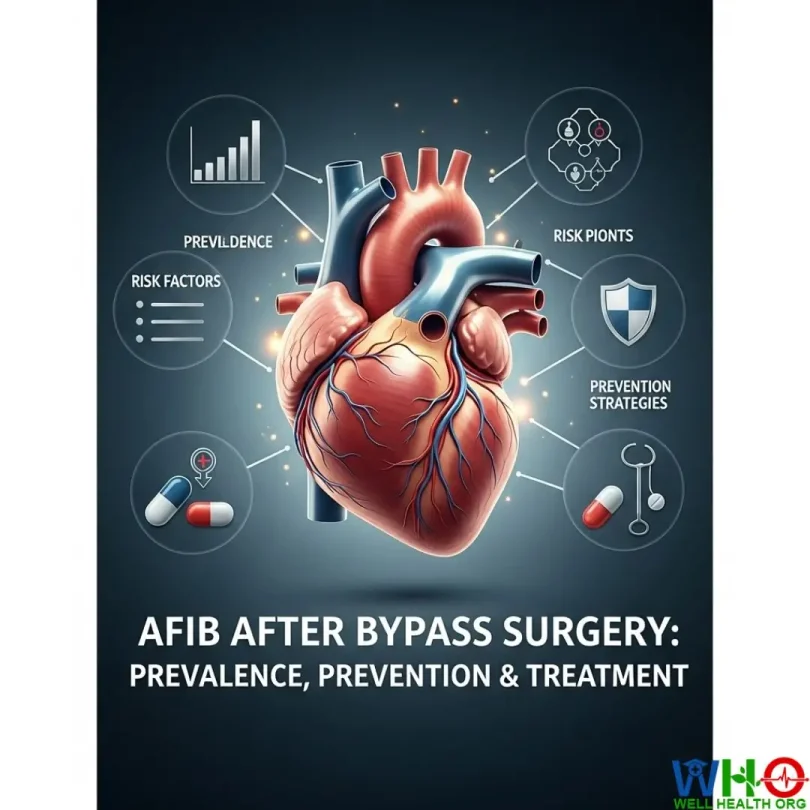
Atrial Fibrillation After Bypass Surgery
Living with heart disease is already challenging, and for many patients undergoing coronary artery bypass grafting (CABG), the journey doesn’t end in the operating room. One of the most common complications that arises after surgery is atrial fibrillation (AFib)—an irregular, often rapid heartbeat that can significantly impact recovery.
- Atrial Fibrillation After Bypass Surgery
- Understanding Atrial Fibrillation After Bypass Surgery
- Prevalence of AFib After CABG Surgery
- How Common Is It?
- When Does AFib Occur?
- Why Prevalence Matters
- Risk Factors for Post-Operative AFib
- 1. Patient-Related Risk Factors
- 2. Surgical Risk Factors
- 3. Interaction of Risks
- Mechanisms Behind AFib After Surgery
- 1. Inflammatory Response
- 2. Structural and Mechanical Stress
- 3. Oxidative Stress
- 4. Autonomic Nervous System Imbalance
- Prevention Strategies for Post-Operative AFib
- 1. Pharmacological Prevention
- Beta-Blockers: The First Line
- Amiodarone: For High-Risk Patients
- Anti-Inflammatory Medications
- Electrolyte Management
- 2. Surgical and Perioperative Techniques
- Minimally Invasive and Off-Pump CABG
- Shorter Operative and Bypass Times
- Pericardial Modifications
- 3. Emerging and Investigational Approaches
- Novel Antiarrhythmic Drugs
- Anti-Inflammatory Biologics
- Genetic and Personalized Prevention
- Machine Learning Risk Models
- Practical Clinical Application
- Treatment Options for Post-Operative Atrial Fibrillation
- 1. Rate Control Strategies
- Why Rate Control?
- First-Line Medications
- 2. Rhythm Control Interventions
- Electrical Cardioversion
- Pharmacological Cardioversion
- Combination Strategies
- 3. Anticoagulation Considerations
- When to Anticoagulate?
- Options
- 4. Clinical Decision-Making Framework
- Step 1: Assess Stability
- Step 2: Evaluate Symptoms
- Step 3: Consider Stroke Risk
- Step 4: Balance Bleeding Risk
- Step 5: Plan Long-Term Monitoring
- Putting It All Together
- Long-Term Implications of Post-Operative AFib
- 1. Risk of Persistent AFib
- 2. Stroke and Thromboembolic Events
- 3. Heart Failure and Mortality
- 4. Quality of Life Impacts
- Follow-Up Care After Post-CABG AFib
- 1. Immediate Post-Discharge Monitoring
- 2. Structured Follow-Up Timeline
- 3. Ongoing Risk Factor Management
- Evolving Research and Future Directions
- 1. Precision Medicine and Risk Stratification
- 2. Novel Preventive Therapies
- 3. Advances in Surgical Techniques
- 4. Digital Health and AI Integration
- 5. Long-Term Research Questions
- Clinical Takeaways for Surgeons and Cardiologists
In fact, AFib develops in nearly one in three bypass patients, making it the most frequent post-surgical rhythm disturbance. For surgeons, cardiologists, and patients alike, understanding AFib—why it happens, who is at risk, and how to prevent or manage it—is essential for better outcomes.
This guide explores the prevalence, underlying mechanisms, risk factors, prevention strategies, treatment approaches, and long-term outlook of AFib after bypass surgery. By blending the latest clinical evidence with practical insights, we’ll help you grasp what AFib means in the context of cardiac surgery and how it’s best managed.
Understanding Atrial Fibrillation After Bypass Surgery
Atrial fibrillation is a type of arrhythmia where the upper chambers of the heart (the atria) beat irregularly and out of coordination with the lower chambers (the ventricles). In the post-surgical setting, AFib is often temporary but can still cause significant complications, including:
- Increased risk of stroke due to clot formation.
- Longer hospital stays and higher readmission rates.
- Increased healthcare costs and resource utilization.
- Higher mortality risk in certain subgroups.
For patients who have just undergone CABG—a surgery already requiring careful recovery—AFib can feel like an additional setback. Yet, it is such a predictable complication that most hospitals already have protocols for monitoring, preventing, and treating it.
Prevalence of AFib After CABG Surgery
How Common Is It?
AFib occurs in 15–45% of patients after coronary artery bypass grafting. Most large studies settle in the 20–30% range, though the exact rate depends on patient population, surgical technique, and definitions used.
- A 2018 study of 11,239 CABG patients (2002–2010) reported an AFib rate of 29.5%.
- A 2021 systematic review covering 155,575 patients across multiple centers found an average incidence of 23.7%.
These numbers highlight AFib as not just a minor side effect but a leading complication that demands structured management.
When Does AFib Occur?
The timing of AFib is strikingly consistent:
- It usually develops within 24–72 hours after surgery.
- The second post-operative day is the most common peak.
- Episodes can last several hours to days, depending on intervention.
While about 15–20% of cases resolve spontaneously within hours, most patients require medical or electrical interventions. Fortunately, the majority of patients return to normal sinus rhythm within weeks, but a subset continues to experience persistent AFib that requires long-term care.
Why Prevalence Matters
Understanding AFib prevalence isn’t just about numbers—it impacts care pathways:
- Hospitals anticipate AFib rates and design protocol-driven management systems.
- Surgeons and cardiologists identify high-risk patients early for prophylactic treatment.
- Patients are counseled before surgery so they know what to expect, reducing anxiety.
Risk Factors for Post-Operative AFib
Not every patient is equally at risk. Identifying patient-specific and surgery-related risk factors helps physicians personalize prevention strategies.
1. Patient-Related Risk Factors
- Age: The single strongest predictor. AFib risk rises sharply after age 70, with older patients showing structural atrial changes and reduced cardiac resilience.
- Gender: Men appear at slightly higher risk, though mechanisms are not fully understood.
- Obesity & High BMI: Excess body weight increases atrial strain and predisposes to arrhythmias.
- Hypertension: Chronic high blood pressure remodels atrial tissue, creating the substrate for AFib.
- History of AFib: Patients who have had AFib before—even if resolved—are much more likely to experience it again after surgery.
- Other comorbidities: Diabetes, COPD, chronic kidney disease, and heart failure all raise AFib risk.
2. Surgical Risk Factors
- Prolonged bypass times: The longer a patient is on cardiopulmonary bypass, the higher the inflammatory and oxidative stress load—both triggers for AFib.
- Complex procedures: Patients undergoing multiple grafts, redo surgeries, or concomitant valve repair have higher risk.
- Surgical approach: Studies suggest minimally invasive CABG and off-pump techniques reduce AFib incidence compared to full sternotomy or traditional bypass approaches.
3. Interaction of Risks
It’s not just one factor—it’s the combination that determines a patient’s risk profile. For example:
- An elderly male with hypertension and prior AFib undergoing a long, complex CABG would be considered high-risk.
- A younger patient with isolated coronary disease undergoing minimally invasive bypass would be low-risk.
Mechanisms Behind AFib After Surgery
Why does AFib occur so frequently after CABG? The answer lies in the unique stressors of surgery—a blend of inflammation, mechanical injury, oxidative stress, and autonomic imbalance.
1. Inflammatory Response
Cardiac surgery sparks a powerful inflammatory cascade. Direct manipulation of the heart, exposure to cardiopulmonary bypass, and tissue injury release cytokines like interleukin-6 and C-reactive protein. These inflammatory mediators:
- Increase atrial irritability.
- Promote conduction abnormalities.
- Create a temporary arrhythmogenic environment.
This explains why anti-inflammatory medications (like colchicine) are being studied as preventive strategies.
2. Structural and Mechanical Stress
- Pericardial inflammation and fluid buildup alter atrial geometry.
- Surgical retraction and cannulation cause microtrauma to atrial tissue.
- Conduction blocks and reentrant circuits form, predisposing to arrhythmias.
3. Oxidative Stress
Ischemia-reperfusion injury during CABG floods tissues with reactive oxygen species (ROS). These damage ion channels and disrupt normal atrial conduction, creating another trigger for AFib.
4. Autonomic Nervous System Imbalance
CABG temporarily alters the heart’s autonomic regulation:
- Sympathetic overdrive (stress, pain, catecholamines).
- Parasympathetic withdrawal (nerve disruption during surgery).
This imbalance primes the atria for irregular firing.
Prevention Strategies for Post-Operative AFib
Because atrial fibrillation is such a predictable complication after coronary artery bypass grafting (CABG), prevention has become a cornerstone of modern cardiac surgery care. The goal is not only to reduce the frequency of AFib but also to minimize hospital stays, prevent strokes, and improve long-term outcomes.
Prevention strategies can be divided into pharmacological measures, surgical techniques, and emerging innovative approaches. Let’s explore each in detail.
1. Pharmacological Prevention
Medications remain the most widely studied and applied preventive tools for AFib after CABG. They work by modifying heart rhythm, reducing inflammation, and stabilizing conduction pathways.
Beta-Blockers: The First Line
- Why they work: Beta-blockers dampen sympathetic nervous system activity, which otherwise accelerates heart rate and increases arrhythmia risk.
- Evidence: Multiple large-scale studies confirm that starting beta-blockers pre-operatively and continuing post-operatively reduces AFib rates by 30–40%.
- Common options:
- Metoprolol
- Atenolol
- Bisoprolol
- Considerations: They should be avoided in patients with severe bradycardia, advanced heart block, or acute decompensated heart failure.
Amiodarone: For High-Risk Patients
- Why it helps: Amiodarone is a potent antiarrhythmic that prolongs cardiac action potential, stabilizing atrial rhythm.
- How it’s used: Often given as a loading dose before surgery, followed by oral or IV maintenance.
- Effectiveness: Studies show it can cut AFib risk significantly, especially in patients with prior AFib or multiple risk factors.
- Cautions: Requires careful monitoring for pulmonary, thyroid, and liver toxicity—particularly in long-term use.
Anti-Inflammatory Medications
- Colchicine: Traditionally used for gout, colchicine’s anti-inflammatory effects have been tested in CABG patients. Several trials suggest it can lower AFib risk, though gastrointestinal side effects (like diarrhea) may limit tolerance.
- Corticosteroids: While effective in reducing inflammation, steroids carry risks of impaired wound healing, infections, and hyperglycemia. As a result, they’re not widely adopted for routine AFib prevention.
Electrolyte Management
- Low potassium and magnesium levels are known triggers for AFib. Many centers now practice aggressive electrolyte monitoring and correction during and after surgery to stabilize cardiac conduction.
2. Surgical and Perioperative Techniques
Beyond drugs, surgical strategy plays a critical role in AFib prevention.
Minimally Invasive and Off-Pump CABG
- Off-pump CABG avoids the use of the heart-lung machine, thereby reducing systemic inflammation.
- Some studies show a lower incidence of AFib in off-pump cases compared to traditional on-pump surgery, though results vary.
- Minimally invasive CABG (using smaller incisions) also appears to lower AFib rates, partly by reducing surgical trauma.
Shorter Operative and Bypass Times
- Surgeons now focus on streamlining bypass times wherever possible, minimizing exposure to cardiopulmonary bypass and associated inflammatory triggers.
Pericardial Modifications
- Experimental techniques such as posterior pericardiotomy (a surgical incision to drain pericardial fluid) have shown promise in reducing post-operative AFib by lowering pericardial inflammation and pressure.
3. Emerging and Investigational Approaches
The field is rapidly evolving, with new drugs and technologies under exploration.
Novel Antiarrhythmic Drugs
- Dronedarone: A relative of amiodarone with fewer long-term toxicities, though less potent.
- New sodium channel blockers: Currently in trials for surgical AFib prevention with promising safety profiles.
Anti-Inflammatory Biologics
- Drugs targeting specific inflammatory pathways (such as IL-6 inhibitors) are being studied to reduce AFib linked to post-surgical inflammatory cascades.
Genetic and Personalized Prevention
- Genetic testing is being explored to identify high-risk patients. Variants in genes regulating ion channels or inflammatory mediators may one day guide personalized prophylaxis.
Machine Learning Risk Models
- Artificial intelligence tools are being developed to predict who will develop AFib after CABG based on electronic health records, surgical details, and genetic data. This could allow for tailored prevention strategies instead of one-size-fits-all approaches.
Practical Clinical Application
In current practice, prevention usually involves a layered strategy:
- All patients: Beta-blockers, electrolyte correction, and careful perioperative monitoring.
- Moderate-risk patients: Beta-blockers plus possible amiodarone if additional risks exist.
- High-risk patients: Comprehensive prophylaxis with beta-blockers, amiodarone, and possibly colchicine, alongside careful surgical technique.
This structured approach balances efficacy with safety, ensuring that patients most likely to benefit from aggressive prevention receive it.
Treatment Options for Post-Operative Atrial Fibrillation
Even with the best preventive measures, AFib still occurs in 20–30% of CABG patients. The focus then shifts to effective treatment, which must be carefully tailored to each patient’s stability, risk profile, and overall recovery trajectory.
Treatment strategies generally fall into three categories: rate control, rhythm control, and anticoagulation. The choice depends on whether AFib is causing symptoms, impairing hemodynamic stability, or increasing stroke risk.
1. Rate Control Strategies
The first step in managing AFib after bypass surgery often involves controlling the heart rate, especially in stable patients who can tolerate the arrhythmia temporarily.
Why Rate Control?
- Prevents excessively rapid ventricular response, which can lead to hemodynamic instability.
- Allows time for spontaneous conversion to sinus rhythm, which occurs in a significant subset of patients.
- Reduces patient discomfort from palpitations, shortness of breath, or fatigue.
First-Line Medications
- Beta-blockers:
- Examples: Metoprolol, Esmolol, Atenolol.
- Preferred in post-CABG patients due to proven efficacy and safety.
- Esmolol, with its ultra-short half-life, is particularly useful when fine-tuning control in unstable patients.
- Calcium channel blockers:
- Examples: Diltiazem, Verapamil.
- Effective for rate control when beta-blockers are contraindicated.
- Require caution in patients with reduced ejection fraction, as they can worsen heart function.
- Digoxin:
- Less commonly used but may be considered in patients with low blood pressure or heart failure.
- Works best at rest, so its effectiveness in post-operative AFib is limited compared to beta-blockers.
2. Rhythm Control Interventions
While rate control is often sufficient, some patients require restoration of normal sinus rhythm due to persistent symptoms, hemodynamic instability, or failure of rate control alone.
Electrical Cardioversion
- Indications: Hemodynamic instability, severe symptoms, or persistent AFib not responsive to medications.
- Success rates: Exceed 90% in the acute post-operative setting.
- Limitations: High recurrence risk unless combined with antiarrhythmic therapy.
Pharmacological Cardioversion
- Amiodarone: Most commonly used for surgical AFib due to its broad antiarrhythmic action and effectiveness in atrial tissue.
- Flecainide or Propafenone: Sometimes used in selected patients but less favored in the post-surgical setting due to safety concerns.
- Ibutilide: Can be effective but requires close monitoring for QT prolongation.
Combination Strategies
In practice, many patients receive amiodarone alongside electrical cardioversion, maximizing the chance of both immediate and sustained rhythm restoration.
3. Anticoagulation Considerations
The risk of stroke is one of the most serious concerns in AFib management, even when AFib is triggered by surgery. However, anticoagulation must be balanced against the elevated bleeding risk in the immediate post-operative period.
When to Anticoagulate?
- Episodes lasting >48 hours or recurrent AFib: Generally warrant anticoagulation.
- High-risk patients: Using CHA₂DS₂-VASc scoring (age, hypertension, diabetes, prior stroke, vascular disease, sex), anticoagulation is strongly considered.
- Low-risk, brief episodes: May be monitored without anticoagulation.
Options
- Warfarin: Still widely used due to decades of experience and its reversibility in surgical patients. Requires INR monitoring.
- Direct Oral Anticoagulants (DOACs): Such as apixaban, rivaroxaban, dabigatran. Increasingly used in non-surgical AFib, but evidence in immediate post-CABG patients is still limited.
- Bridging with heparin: Sometimes used in high-risk patients, especially when oral anticoagulation initiation is delayed.
4. Clinical Decision-Making Framework
Managing AFib after CABG is not one-size-fits-all. A practical framework can help guide care:
Step 1: Assess Stability
- Unstable (low blood pressure, chest pain, pulmonary edema): Immediate electrical cardioversion.
- Stable: Proceed with rate control and monitoring.
Step 2: Evaluate Symptoms
- Minimal symptoms: Rate control alone may suffice.
- Significant symptoms: Consider rhythm control (pharmacological or electrical).
Step 3: Consider Stroke Risk
- CHA₂DS₂-VASc ≥ 2: Anticoagulation strongly recommended if AFib persists.
- CHA₂DS₂-VASc 0–1: Case-by-case decision.
Step 4: Balance Bleeding Risk
- Weigh anticoagulation against recent surgical bleeding, chest tube output, or low platelet counts.
Step 5: Plan Long-Term Monitoring
- Some patients revert to sinus rhythm quickly and never have AFib again.
- Others require ongoing rhythm monitoring and long-term anticoagulation.
Putting It All Together
A typical post-CABG AFib care pathway might look like this:
- Day 2 post-op: Patient develops AFib with HR 140.
- Stability check: Blood pressure stable, no chest pain.
- Initial step: IV metoprolol started for rate control.
- Persistence: AFib continues after 24 hours.
- Next step: Amiodarone infusion begun for rhythm control.
- After 72 hours: Patient cardioverted electrically, returns to sinus rhythm.
- Risk assessment: CHA₂DS₂-VASc = 3. Warfarin started after bleeding risk minimized.
- Discharge plan: Rhythm monitoring, follow-up in 30 days.
This layered approach reflects how cardiology and surgical teams individualize treatment while balancing immediate surgical recovery with long-term cardiovascular health.
Long-Term Implications, Follow-Up, and Future Directions
While atrial fibrillation (AFib) after coronary artery bypass grafting (CABG) is often transient, its consequences can extend well beyond the immediate postoperative period. Understanding the long-term implications, structured follow-up needs, and evolving research directions is critical for improving outcomes and reducing complications.
Long-Term Implications of Post-Operative AFib
1. Risk of Persistent AFib
Although many patients revert to normal sinus rhythm within weeks, a significant subset develop chronic or recurrent AFib.
- Studies suggest that 15–25% of patients with new-onset post-CABG AFib continue to experience arrhythmia at 1 year.
- Those with underlying atrial enlargement, prior AFib, or multiple comorbidities are at highest risk of progression.
2. Stroke and Thromboembolic Events
- Even when AFib is transient, it doubles the risk of ischemic stroke compared to CABG patients who remain in sinus rhythm.
- The highest risk window is within the first 30 days post-surgery, but long-term risk persists, particularly in patients with a high CHA₂DS₂-VASc score.
3. Heart Failure and Mortality
- Persistent AFib after CABG is linked to worsening left ventricular function, increased hospital readmissions, and higher long-term mortality.
- A 2020 meta-analysis showed that patients with post-CABG AFib had a 30% increased risk of all-cause mortality over 10 years compared to those without AFib.
4. Quality of Life Impacts
- AFib-related symptoms — palpitations, fatigue, dizziness, exercise intolerance — can persist even in those with rate-controlled AFib.
- Anxiety about recurrence and dependence on anticoagulation therapy further impact quality of life.
Follow-Up Care After Post-CABG AFib
Effective follow-up is essential to detect recurrences, optimize long-term rhythm control, and reduce stroke risk.
1. Immediate Post-Discharge Monitoring
- Electrocardiogram (ECG): At discharge, to establish rhythm status.
- Ambulatory monitoring (Holter or patch): Within the first month for patients with recurrent palpitations or symptoms.
2. Structured Follow-Up Timeline
- 30 days post-op: Rhythm assessment, medication review, anticoagulation adjustment.
- 3 months post-op: Evaluate for persistent AFib, echocardiogram to assess atrial size and ventricular function.
- 6–12 months: Long-term risk assessment, particularly for anticoagulation needs and recurrence prevention.
3. Ongoing Risk Factor Management
- Blood pressure control: Hypertension accelerates atrial remodeling.
- Weight management: Obesity is strongly linked to AFib recurrence.
- Sleep apnea screening and treatment: Untreated OSA doubles AFib risk.
- Lifestyle optimization: Limiting alcohol, avoiding stimulants, regular exercise.
Evolving Research and Future Directions
1. Precision Medicine and Risk Stratification
- Genetic profiling: Early studies suggest that polymorphisms in inflammatory genes (IL-6, CRP) and ion channel genes may predict AFib susceptibility.
- Biomarkers: Elevated C-reactive protein (CRP), troponin, and BNP may help identify high-risk patients before AFib develops.
2. Novel Preventive Therapies
- Anti-inflammatory drugs: Colchicine shows strong promise in reducing both inflammation and AFib incidence after CABG.
- Statins: Beyond cholesterol reduction, statins have anti-inflammatory effects that may reduce AFib rates, though results are mixed.
- New antiarrhythmics: Safer agents such as dronedarone are being tested for post-surgical AFib prevention with fewer toxicities than amiodarone.
3. Advances in Surgical Techniques
- Minimally invasive CABG (MIDCAB): Smaller incisions, less tissue trauma, and reduced systemic inflammation may translate into lower AFib incidence.
- Off-pump CABG (OPCAB): Avoiding cardiopulmonary bypass reduces oxidative stress and systemic inflammation, though results remain debated.
4. Digital Health and AI Integration
- Wearable monitors: Smartwatches and ECG patches allow continuous monitoring, improving early detection of asymptomatic AFib.
- Artificial intelligence: Predictive algorithms using perioperative data can identify patients at highest risk, enabling targeted prophylaxis.
5. Long-Term Research Questions
- Should all post-CABG AFib patients be anticoagulated, even for transient episodes?
- Can personalized anti-inflammatory regimens significantly reduce AFib incidence?
- How do different grafting strategies (arterial vs venous) impact long-term AFib rates?
Clinical Takeaways for Surgeons and Cardiologists
- Prevalence: AFib occurs in 20–30% of CABG patients, peaking within 2–3 days post-op.
- Mechanisms: Inflammation, atrial trauma, and autonomic imbalance are the primary triggers.
- Prevention: Beta-blockers remain first-line; colchicine and amiodarone are promising in high-risk patients.
- Treatment: Rate control is first-line for stable patients; rhythm control (amiodarone, cardioversion) is needed in unstable or highly symptomatic cases.
- Anticoagulation: Must balance stroke prevention with surgical bleeding risks — use CHA₂DS₂-VASc scoring.
- Follow-up: Structured monitoring at 30 days, 3 months, and 6–12 months is essential to detect recurrence and optimize long-term management.
- Future: AI-driven risk prediction, anti-inflammatory prophylaxis, and minimally invasive CABG techniques represent the next frontier.
Conclusion: Advancing Patient Care in Cardiac Surgery
Atrial fibrillation after bypass surgery is not merely a transient complication — it carries long-term risks for stroke, heart failure, and mortality. Through a multidisciplinary, evidence-based approach, cardiac teams can:
- Prevent AFib using beta-blockers, careful surgical technique, and emerging anti-inflammatory strategies.
- Treat AFib effectively with tailored rate/rhythm control and appropriate anticoagulation.
- Protect long-term health through structured follow-up, risk factor modification, and integration of novel digital tools.
Ultimately, reducing the burden of AFib after CABG requires individualized care strategies, ongoing research, and collaboration between surgeons, cardiologists, and patients. By embracing both proven therapies and innovative approaches, we can improve surgical outcomes and enhance the lives of patients recovering from bypass surgery.
Medically Reviewed by Prof. Dr. Akram
Orthopedic Surgeon | Professor | Senior Medical Specialist
Prof. Dr. Akram is a distinguished surgeon with over 15 years of clinical expertise. Having served as a lead Emergency Specialist at Complex International Government Hospital, he currently leads a specialized team of 13 medical professionals at his private hospital. As a Professor at top medical universities, he ensures that every article on WellHealthOrg.com meets rigorous clinical standards.
Medical Disclaimer:
The information provided is for educational purposes only and is not a substitute for professional medical advice, diagnosis, or treatment. Always consult your physician for any medical concerns.
Our content is rigorously fact-checked by our 13-member Editorial Team under the clinical supervision of Prof. Dr. Akram.