
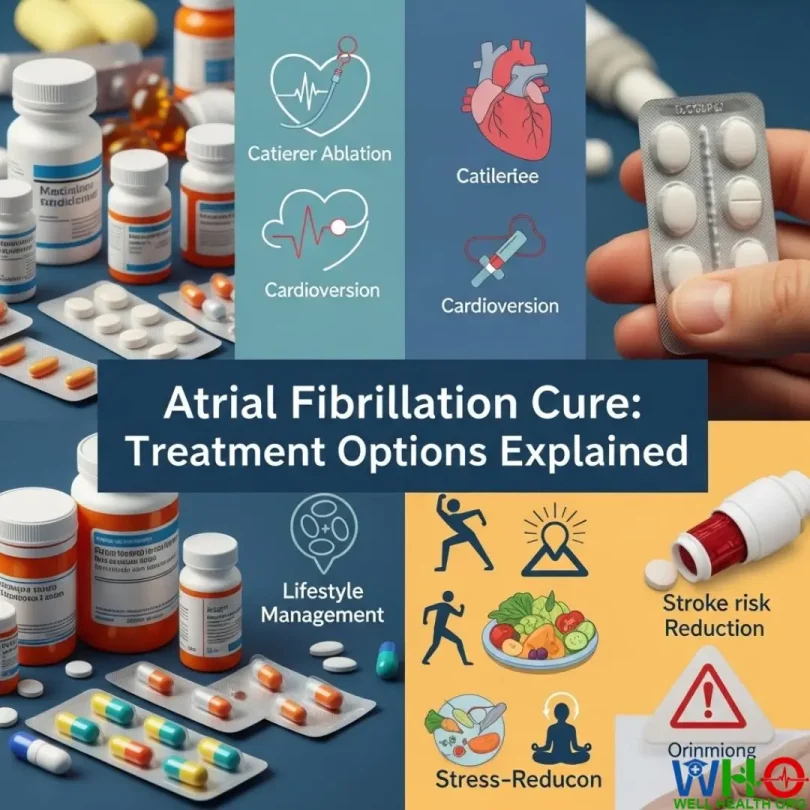
Atrial Fibrillation Cure
Millions of people around the globe live with the unsettling experience of an irregular heartbeat. For many, this is not just a passing symptom but a clear sign of atrial fibrillation (AFib)—a heart rhythm disorder that impacts more than 6 million Americans and tens of millions worldwide. While it’s natural to hope for a “cure,” the truth is more complex. AFib is not something that can always be erased with a single treatment, but it can be managed extremely well with the right approach.
- Understanding Atrial Fibrillation and Its Impact
- Current AFib Treatment Approaches
- Heart Rate Control Medications
- Heart Rhythm Control Medications
- Blood Clot Prevention
- Advanced AFib Procedures
- Electrical Cardioversion
- Catheter Ablation
- Surgical Interventions
- Lifestyle Modifications for AFib Management
- Weight Management
- Physical Activity
- Dietary Modifications
- Stress Management
- Sleep Quality
- Addressing Underlying Conditions
- High Blood Pressure
- Thyroid Disorders
- Diabetes
- Heart Disease
- Obstructive Sleep Apnea & Obesity
- The Future of AFib Treatment
- Pulsed Field Ablation (PFA)
- Next-Generation Medications
- Gene Therapy
- Wearable Technology & AI Monitoring
- Can AFib Go Away on Its Own?
- Living with AFib: What to Expect
- When to Seek Medical Attention
- Situations That Require Emergency Care
- When to Contact Your Doctor Promptly
- Taking Control of Your AFib Journey
- Building a Strong Partnership With Your Healthcare Team
- Staying Consistent With Treatment
- Monitoring and Adapting Over Time
- Emotional and Mental Health Support
- The Role of Patient Education
- The Future Outlook: Hope and Progress
- Conclusion
- FAQs About Atrial Fibrillation Treatment
AFib occurs when the upper chambers of the heart (the atria) beat irregularly, sometimes very rapidly, disturbing the heart’s natural rhythm and reducing the efficiency of blood flow. This abnormal rhythm may feel like fluttering or pounding in the chest, and it can also cause shortness of breath, fatigue, chest discomfort, or dizziness. For some, these symptoms appear occasionally and go away on their own, while others live with them daily.
Even though there’s no permanent cure for most patients yet, modern medicine has developed a wide variety of treatments that can restore rhythm, control symptoms, and significantly lower the risk of dangerous complications such as stroke or heart failure. Understanding these treatment options is the first step toward taking control of the condition.
This detailed guide will walk you through the latest medical and lifestyle approaches to AFib, giving you the knowledge you need to manage the condition effectively and improve your quality of life.
Understanding Atrial Fibrillation and Its Impact
Atrial fibrillation is the most common type of arrhythmia—a disorder of the heart’s rhythm. Instead of contracting in a coordinated way, the atria quiver because of chaotic electrical signals. This disruption prevents the heart from pumping efficiently, leading to reduced blood flow and sometimes blood pooling inside the heart chambers.
While the irregular heartbeat itself can feel uncomfortable, the larger concern is its long-term health risks. People with AFib face five times greater risk of stroke compared to individuals with a normal rhythm. This happens because stagnant blood inside the atria can form clots, which may travel to the brain and block blood vessels, leading to a stroke. AFib is also linked to heart failure, cognitive decline, and overall reduced quality of life if left unmanaged.
Several factors increase the risk of developing AFib:
- Age: The likelihood rises sharply after age 65.
- High blood pressure: One of the strongest risk factors.
- Heart disease: Conditions like heart valve disease, coronary artery disease, or previous heart surgery.
- Thyroid problems: Especially hyperthyroidism (overactive thyroid).
- Sleep apnea: Repeated oxygen drops during sleep can trigger AFib.
- Obesity: Excess weight increases strain on the heart.
- Alcohol use: Heavy drinking, sometimes even “holiday heart syndrome” after binge drinking.
Understanding AFib means recognizing that it’s not just about irregular beats. It’s a condition that affects overall cardiovascular health and requires a long-term management strategy.
Current AFib Treatment Approaches
When someone is diagnosed with AFib, the treatment plan usually aims at three main goals:
- Controlling heart rate so the heart doesn’t beat excessively fast.
- Restoring or maintaining normal rhythm when possible.
- Preventing blood clots and strokes that AFib makes more likely.
Doctors consider your age, symptoms, risk factors, and other medical conditions before recommending a plan. While AFib cannot always be “cured” permanently, it can be effectively controlled for the vast majority of people.
Let’s break down the main treatments into categories.
Heart Rate Control Medications
For many patients, the first line of treatment is slowing down the heart rate. During AFib, the heart may beat at 120–180 beats per minute or more, which is exhausting for the body. Medications help bring that rate down, giving the heart time to pump more efficiently.
- Beta-blockers – Drugs such as atenolol, propranolol, and bisoprolol are the most commonly prescribed. They work by blocking stress hormones that speed up the heart. Many patients notice relief from palpitations and feel less fatigued once their heart rate is controlled.
- Calcium channel blockers – Medications like diltiazem and verapamil slow the heart rate and also reduce the force of contractions. These are often used if beta-blockers cause side effects or don’t work well enough.
- Digoxin – An older medication that slows electrical conduction between the upper and lower chambers of the heart. Doctors now use it less often because it requires careful monitoring and can cause toxicity.
In real-life terms, heart rate control is about helping you feel better and function better. For example, someone who used to get breathless walking up stairs may find they can do it again comfortably once their heart rate is stabilized.
Heart Rhythm Control Medications
While rate control is enough for some, others still experience troubling symptoms or want to try restoring a normal heartbeat. This is where rhythm control comes in, using medications called antiarrhythmics.
- Sodium channel blockers – Flecainide, propafenone, and quinidine can help reset the heart to normal rhythm. However, they must be carefully monitored because in some people, they can paradoxically cause dangerous arrhythmias.
- Potassium channel blockers – Amiodarone is extremely effective, but long-term use can affect the thyroid, lungs, and liver. Newer options like dronedarone, sotalol, and dofetilide offer alternatives, each with its own balance of benefits and risks.
Doctors often individualize rhythm-control therapy. For example, a younger patient who wants to stay active and avoid frequent symptoms might benefit from antiarrhythmic drugs or procedures, while an older patient with fewer symptoms may do fine with rate control alone.
As cardiologists often explain, the right AFib treatment isn’t “one-size-fits-all.” It’s tailored to each person’s health, lifestyle, and goals.
Blood Clot Prevention
Preventing clots and strokes is arguably the most critical part of AFib treatment. Even if symptoms are mild or absent, stroke risk remains high unless addressed.
- Warfarin (Coumadin): For decades, this was the standard anticoagulant. It’s effective but requires regular blood tests and careful dietary management.
- Direct Oral Anticoagulants (DOACs): Drugs like apixaban (Eliquis), rivaroxaban (Xarelto), dabigatran (Pradaxa), and edoxaban (Lixiana) are now preferred because they don’t need routine monitoring and have fewer interactions.
Doctors use scoring systems like CHA₂DS₂-VASc to calculate stroke risk and decide whether anticoagulation is needed. For example, an older patient with high blood pressure and diabetes would almost always benefit from a blood thinner.
Some patients fear the word “blood thinner,” but in truth, these medications are life-saving. Preventing one stroke often outweighs the risks of mild bleeding that may occur.
Advanced AFib Procedures
If medications alone don’t provide enough control, doctors may recommend procedures that can restore rhythm or reduce risk. These procedures are highly effective for many patients and have advanced significantly in recent years.
Electrical Cardioversion
This is essentially a “reset button” for the heart. Under sedation, a controlled electric shock is delivered to restore normal rhythm. Many patients wake up with their heart beating normally again. However, AFib often returns, so doctors may combine cardioversion with rhythm-control medications.
Catheter Ablation
This is one of the most important modern breakthroughs in AFib care. Thin wires (catheters) are threaded into the heart through blood vessels. The doctor then uses heat, cold, or energy pulses to destroy the tiny areas of tissue that trigger abnormal electrical signals.
For many patients—especially those with paroxysmal AFib—ablation can dramatically reduce or even eliminate episodes. In fact, studies show that patients who undergo ablation often have a much better quality of life than those who rely on medications alone.
Surgical Interventions
When patients are already undergoing heart surgery for another reason, surgeons may perform additional procedures to treat AFib. The maze procedure creates scar tissue patterns that guide normal signals and block abnormal ones. Another option is left atrial appendage closure, which reduces stroke risk by sealing off the small pouch where clots often form.
For those with slow or irregular rhythms after treatment, a pacemaker may be recommended to ensure the heart beats reliably.
Lifestyle Modifications for AFib Management
Medications and procedures form the foundation of AFib treatment, but lifestyle choices often make the difference between occasional manageable episodes and frequent debilitating ones. Doctors emphasize that the most successful AFib management comes from combining medical treatment with healthy living.
Think of it this way: If AFib is a fire, medications can control the flames, but lifestyle changes remove the fuel that keeps it burning.
Weight Management
Carrying excess weight puts additional strain on the heart, raises blood pressure, and contributes to inflammation—all of which make AFib more likely. Research shows that even losing just 10% of body weight can dramatically reduce AFib episodes and improve treatment success rates.
For example, patients in the LEGACY study who committed to structured weight loss programs experienced a sixfold improvement in maintaining normal rhythm compared to those who did not. Maintaining a stable weight also prevents worsening of AFib over time.
Physical Activity
Exercise is a double-edged sword for people with AFib. On one hand, moderate, consistent exercise strengthens the heart, improves circulation, lowers blood pressure, and reduces stress—all of which help reduce AFib frequency. On the other hand, extreme endurance exercise, like running marathons, has been linked to higher AFib risk in some individuals.
The sweet spot? Activities like brisk walking, swimming, cycling, and light strength training. Doctors recommend at least 150 minutes of moderate exercise per week, tailored to your fitness level. Always consult your doctor before starting a new workout plan.
Dietary Modifications
Your diet directly affects your heart rhythm and long-term health. Some key dietary strategies for AFib include:
- DASH diet or Mediterranean diet – Rich in fruits, vegetables, whole grains, lean proteins, and healthy fats.
- Reduce sodium – Excess salt raises blood pressure, one of the biggest AFib triggers.
- Limit alcohol – Even moderate drinking can set off episodes in some people (“holiday heart syndrome”).
- Watch caffeine – While moderate coffee intake is safe for most, some find caffeine increases palpitations.
- Increase potassium and magnesium – Foods like bananas, avocados, spinach, and nuts support heart rhythm stability.
Stress Management
Stress doesn’t just affect the mind—it triggers adrenaline and cortisol surges that can throw heart rhythm out of balance. Many patients notice that AFib episodes occur during high-stress periods.
Simple strategies like deep breathing, meditation, yoga, tai chi, or mindfulness practices can help calm the nervous system. Even setting aside 10–15 minutes a day for relaxation can reduce AFib frequency.
Sleep Quality
Sleep is essential for heart repair and stability. Sleep apnea, in particular, is strongly linked to AFib. This condition causes repeated pauses in breathing during sleep, dropping oxygen levels and forcing the heart to work harder. Studies show that untreated sleep apnea doubles the risk of AFib recurrence after treatments like ablation.
If you snore heavily, wake up gasping, or feel exhausted despite a full night’s sleep, ask your doctor about a sleep study. Treatment with CPAP (continuous positive airway pressure) can dramatically improve both AFib and quality of life.
Addressing Underlying Conditions
AFib rarely exists in isolation. It often develops alongside or because of other health problems. Successful long-term management requires identifying and treating these root causes.
High Blood Pressure
Hypertension is one of the strongest and most common AFib triggers. High pressure damages blood vessels, thickens the heart muscle, and makes the atria more likely to misfire electrically. Controlling blood pressure with medications, a low-salt diet, regular exercise, and stress reduction can significantly reduce AFib episodes.
Thyroid Disorders
An overactive thyroid (hyperthyroidism) speeds up metabolism, which overstimulates the heart and often triggers AFib. Even subtle thyroid imbalances can affect rhythm. Regular blood tests are essential for AFib patients, and treatment of thyroid conditions often improves heart stability.
Diabetes
High blood sugar damages blood vessels and nerves, increasing AFib risk and severity. Effective diabetes management—through medications, diet, and exercise—can improve outcomes for AFib patients.
Heart Disease
Valve disorders, coronary artery disease, or previous heart attacks can alter heart structure, making AFib more likely. In these cases, managing the underlying condition is just as important as treating the arrhythmia itself.
Obstructive Sleep Apnea & Obesity
As mentioned earlier, sleep apnea and excess weight are powerful contributors. Addressing them can not only improve AFib outcomes but also reduce reliance on medications.
In real life, many patients find that when they treat the underlying problem, their AFib becomes far easier to manage.
The Future of AFib Treatment
Medical science is moving fast, and AFib research is one of the most exciting fields in cardiology today. While there is no universal cure yet, promising therapies are on the horizon.
Pulsed Field Ablation (PFA)
Traditional ablation techniques use heat or cold to destroy problem areas. Pulsed field ablation, however, uses electrical fields to selectively target only heart muscle cells while sparing nearby tissues like nerves or blood vessels. Early studies suggest PFA could be safer, quicker, and more effective than older methods.
Next-Generation Medications
Researchers are exploring drugs that specifically target the electrical ion channels in the heart. These new medications may help restore rhythm with fewer side effects than current antiarrhythmics.
Gene Therapy
This futuristic approach involves directly altering the genes or proteins in heart cells that cause rhythm disturbances. While still experimental, gene therapy could one day provide long-lasting prevention for people with a genetic predisposition to AFib.
Wearable Technology & AI Monitoring
Smartwatches and wearable ECG devices already help people detect AFib episodes earlier. In the future, AI-driven health apps may continuously monitor rhythm and predict when an episode is likely to occur—helping patients take preventive action before symptoms even start.
The bottom line: The future of AFib treatment is not just about controlling symptoms, but potentially eliminating triggers at the cellular and genetic level.
Can AFib Go Away on Its Own?
It’s a common question: Can atrial fibrillation disappear without treatment? The short answer: sometimes, but rarely permanently.
Some patients experience paroxysmal AFib, where episodes come and go. These may stop spontaneously, lasting from a few minutes to a few hours. For example, someone might feel their heart racing after heavy drinking or intense exercise, but the rhythm may return to normal by the next day.
There are also rare cases of spontaneous remission, where AFib disappears for months or years without treatment. However, even when AFib seems gone, the underlying heart changes often remain, meaning episodes are likely to return.
This is why cardiologists recommend ongoing monitoring even if symptoms vanish. “Silent AFib” (episodes without noticeable symptoms) can still cause strokes, so patients should never assume they are “cured” just because the fluttering feeling has stopped.
Living with AFib: What to Expect
Living with atrial fibrillation can feel daunting at first, but with proper treatment, many patients lead full, active, and rewarding lives. Advances in treatment have dramatically improved survival rates and quality of life.
According to long-term studies, people with AFib now live much longer than in decades past, thanks to better treatments for stroke prevention, heart rhythm control, and underlying conditions. While life expectancy may be slightly shorter than in people without AFib, the gap is much smaller than it used to be.
Here’s what life with AFib often involves:
- Personalized treatment plans – No two patients are alike. Some thrive on medications alone, while others need ablation or other procedures.
- Regular monitoring – Periodic ECGs, blood tests, and doctor visits help ensure treatments remain effective.
- Adjustments over time – AFib management isn’t static. Medications, procedures, or lifestyle strategies may need to change as your body and health evolve.
- Self-care – Daily habits like diet, exercise, stress reduction, and sleep hygiene play as important a role as pills or procedures.
Many patients find that after getting treatment, they can enjoy normal activities like traveling, exercising, and socializing with minimal restrictions.
When to Seek Medical Attention
Living with AFib means learning to distinguish between manageable symptoms and emergencies that require immediate help. While not every episode of palpitations is life-threatening, ignoring certain warning signs can put you at serious risk.
Situations That Require Emergency Care
If you experience any of the following, call emergency services immediately:
- Heart rate consistently above 150 beats per minute – An excessively fast heartbeat can prevent your heart from pumping enough blood to vital organs.
- Severe chest pain or pressure – This could signal a heart attack or unstable heart rhythm.
- Difficulty breathing or sudden shortness of breath – Indicates your body isn’t getting enough oxygen.
- Dizziness, fainting, or confusion – A sign that the brain isn’t receiving sufficient blood flow.
- Stroke symptoms – Sudden weakness on one side of the body, facial drooping, speech difficulties, or loss of vision.
According to medical guidelines, even a heart rate above 120 beats per minute during AFib should prompt evaluation, and rates over 150 can cause hemodynamic instability—where blood flow becomes inadequate to sustain the body.
When to Contact Your Doctor Promptly
Not all AFib situations require the ER, but they do warrant timely follow-up:
- New or worsening palpitations
- Shortness of breath with minimal activity
- Swelling in the legs or ankles (a possible sign of heart failure)
- Increased fatigue that limits daily activities
- Side effects from medications (such as dizziness, bleeding, or vision changes)
Many people find it helpful to keep a symptom diary—noting when palpitations occur, how long they last, and what triggers them. This information can guide your doctor in adjusting your treatment plan.
Taking Control of Your AFib Journey
AFib is not just a medical diagnosis; it’s a long-term journey of self-management, medical care, and lifestyle adjustments. The key is recognizing that while AFib may not always be “curable,” it is highly controllable.
Building a Strong Partnership With Your Healthcare Team
The most successful AFib patients are those who actively collaborate with their cardiologist or electrophysiologist. Treatment plans should be reviewed regularly and adjusted as needed. Don’t be afraid to ask questions like:
- Is my treatment focused more on rate control or rhythm control?
- Am I on the best blood thinner for my situation?
- Would I benefit from an ablation or surgical option?
- What lifestyle changes could make the biggest difference for me?
Staying Consistent With Treatment
Medications, especially anticoagulants, only work if taken consistently. Missing doses can dramatically increase stroke risk. Many patients benefit from setting reminders or using pill organizers to stay on track.
Monitoring and Adapting Over Time
AFib often evolves. What works today may not be enough in five years. That’s why routine monitoring—via ECGs, echocardiograms, or wearable heart monitors—is essential. Newer tools like smartwatches can provide real-time alerts of irregular rhythms, empowering you to act sooner.
Emotional and Mental Health Support
AFib doesn’t just affect the body; it can also impact mental well-being. Many patients report anxiety, fear of episodes, or worry about strokes. Talking to a counselor, joining a support group, or connecting with others online can provide encouragement and reassurance.
The Role of Patient Education
Knowledge truly is power when it comes to AFib. Understanding your condition helps you make informed choices, adhere to treatment, and recognize warning signs. Many hospitals now offer cardiac rehabilitation and AFib-specific education programs.
The Future Outlook: Hope and Progress
While AFib can feel overwhelming, the trajectory of treatment is moving in a hopeful direction. Just a few decades ago, options were limited to basic medications and blood thinners. Today, patients have access to advanced procedures like catheter ablation, minimally invasive surgeries, and safer, more effective anticoagulants.
Looking forward, the next generation of treatments promises even more:
- Personalized medicine – Treatments tailored to your genetic profile and risk factors.
- Non-invasive ablation techniques – Procedures that may one day be done entirely outside the body, without catheters.
- AI-driven predictive tools – Software that can forecast when AFib episodes are likely to occur, allowing preventive intervention.
- Potential for prevention – By tackling obesity, hypertension, and sleep apnea earlier in life, doctors hope to dramatically reduce the number of new AFib cases in future generations.
The message is clear: living with AFib today is far more hopeful than ever before, and tomorrow’s therapies are likely to be even more effective.
Conclusion
Atrial fibrillation may not yet have a single, definitive cure, but it is far from unmanageable. With the right combination of medical treatments, lifestyle modifications, and ongoing monitoring, most patients can lead active, fulfilling lives without being held back by their condition.
The journey starts with knowledge—understanding what AFib is, recognizing the risks it carries, and knowing when to seek help. From there, it’s about building a comprehensive plan that controls heart rate, restores rhythm when possible, and prevents strokes.
Most importantly, managing AFib is not just about pills or procedures; it’s about taking control of your overall health. Every step—whether it’s eating better, staying active, losing weight, or managing stress—helps not just your heart rhythm but your entire well-being.
The future of AFib treatment is bright, with new breakthroughs on the horizon. By working closely with your healthcare team and making proactive lifestyle choices, you can live fully and confidently—even with AFib.
FAQs About Atrial Fibrillation Treatment
1. Can AFib ever be completely cured?
For most people, AFib can be managed but not permanently cured. Some patients achieve long-term remission after catheter ablation or lifestyle changes, but AFib often recurs. Ongoing monitoring is essential.
2. Is ablation better than medication for AFib?
Ablation can be more effective for reducing symptoms in patients who don’t respond well to medications. However, the best approach depends on individual health factors, AFib type, and personal preference.
3. How dangerous is AFib if untreated?
Untreated AFib greatly increases the risk of stroke, heart failure, and reduced quality of life. Even if symptoms are mild, blood clot prevention is critical.
4. Can stress alone trigger AFib?
Yes. Stress releases adrenaline and cortisol, which can disrupt heart rhythm. While stress may not cause AFib by itself, it often acts as a trigger in people already at risk.
5. What lifestyle change has the biggest impact on AFib?
Weight loss and management of sleep apnea are two of the most powerful lifestyle interventions. Both significantly reduce AFib frequency and improve treatment outcomes.
Medically Reviewed by Prof. Dr. Akram
Orthopedic Surgeon | Professor | Senior Medical Specialist
Prof. Dr. Akram is a distinguished surgeon with over 15 years of clinical expertise. Having served as a lead Emergency Specialist at Complex International Government Hospital, he currently leads a specialized team of 13 medical professionals at his private hospital. As a Professor at top medical universities, he ensures that every article on WellHealthOrg.com meets rigorous clinical standards.
Medical Disclaimer:
The information provided is for educational purposes only and is not a substitute for professional medical advice, diagnosis, or treatment. Always consult your physician for any medical concerns.
Our content is rigorously fact-checked by our 13-member Editorial Team under the clinical supervision of Prof. Dr. Akram.







