Understanding the Power, Science, and Safe Application of Herbal Infection Fighters
The advent of modern antibiotics stands as one of the greatest triumphs of medical science, saving countless lives and fundamentally changing the outcome of bacterial diseases. However, the convenience of these synthetic marvels has come with a heavy cost: the escalating crisis of antibiotic resistance, where common bacteria evolve to withstand the drugs designed to kill them. This escalating threat has spurred a vital re-examination of ancient remedies, leading to intense scientific interest in all-natural antibiotics—potent compounds derived from plants, herbs, and natural substances that have fought infections for millennia.
- Understanding the Power, Science, and Safe Application of Herbal Infection Fighters
- Part I: Defining the Difference – Natural vs. Synthetic
- What are Natural Antibiotics?
- Complexity is the Key Advantage
- The Antibiotic Resistance Crisis and Natural Support
- Part II: Nature’s Pharmacy – Top Herbal Antibiotics and Their Mechanisms
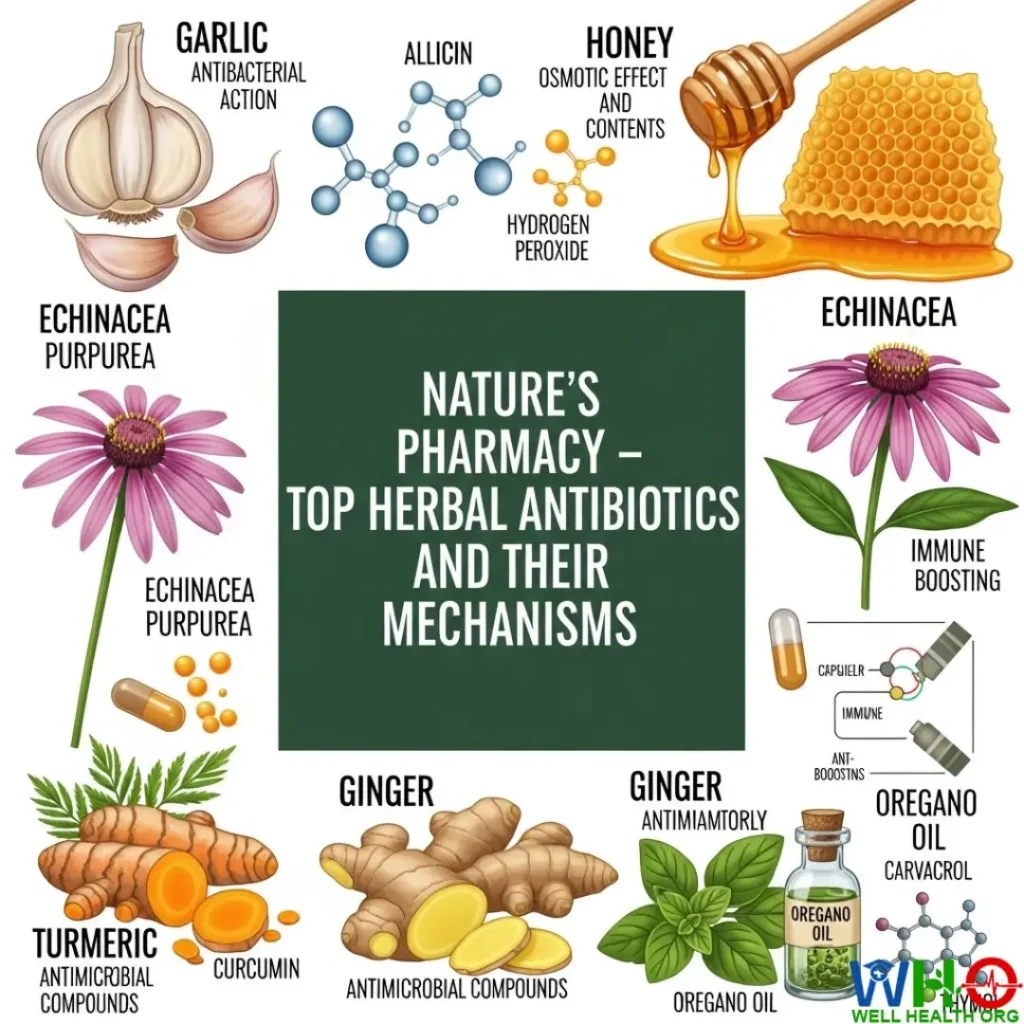
- 1. Garlic (Allium sativum)
- Mechanism of Action: The Power of Allicin
- Practical Application
- 2. Manuka Honey (Leptospermum scoparium)
- Mechanism of Action: Methylglyoxal (MGO)
- Practical Application
- 3. Oil of Oregano (Origanum vulgare)
- Mechanism of Action: Carvacrol and Thymol
- Practical Application
- 4. Olive Leaf Extract (Olea europaea)
- Mechanism of Action: Oleuropein
- Practical Application
- 5. Berberine (from various plants: Hydrastis canadensis, Berberis vulgaris)
- Mechanism of Action: Pump Inhibition
- Practical Application
- Part III: Safe and Responsible Use – Guidelines and Caveats
- Synergy: Combining Natural Support
- Dosage and Standardization: The Focus
- The Critical Role of Turmeric and Ginger
- Part IV: When to See a Doctor – The Non-Negotiable Line
- Immediate Professional Consultation is Required if:
- The Physician’s Role
- Conclusion: Embracing an Integrated Future
- ❓ Frequently Asked Questions (FAQs) About Natural Antibiotics
- 1. How quickly do natural antibiotics work compared to prescription drugs?
- 2. Can natural antibiotics contribute to antibiotic resistance?
- 3. Which natural antibiotics are best for specific common infections?
- 4. What are the key safety precautions and interactions I must know?
- 5. Why is standardized extract important when buying supplements?
- 6. Can I give natural antibiotics to infants or while pregnant?
Can a simple plant or food item truly stand up to harmful bacteria? The answer, increasingly supported by rigorous laboratory studies, is yes—but with crucial caveats.
This definitive, expert-level guide is designed to clarify the science, separate myth from fact, and provide comprehensive, practical knowledge on nature’s most effective antimicrobials. We will explore the complex mechanisms that give these remedies their power, detail the safe and effective ways to incorporate them into your wellness routine, and, most importantly, establish a clear framework for when natural support must yield to necessary, professional medical treatment. By the end, you will possess an informed, nuanced understanding of how herbal antibiotics can support your health and contribute to the global effort against infection.
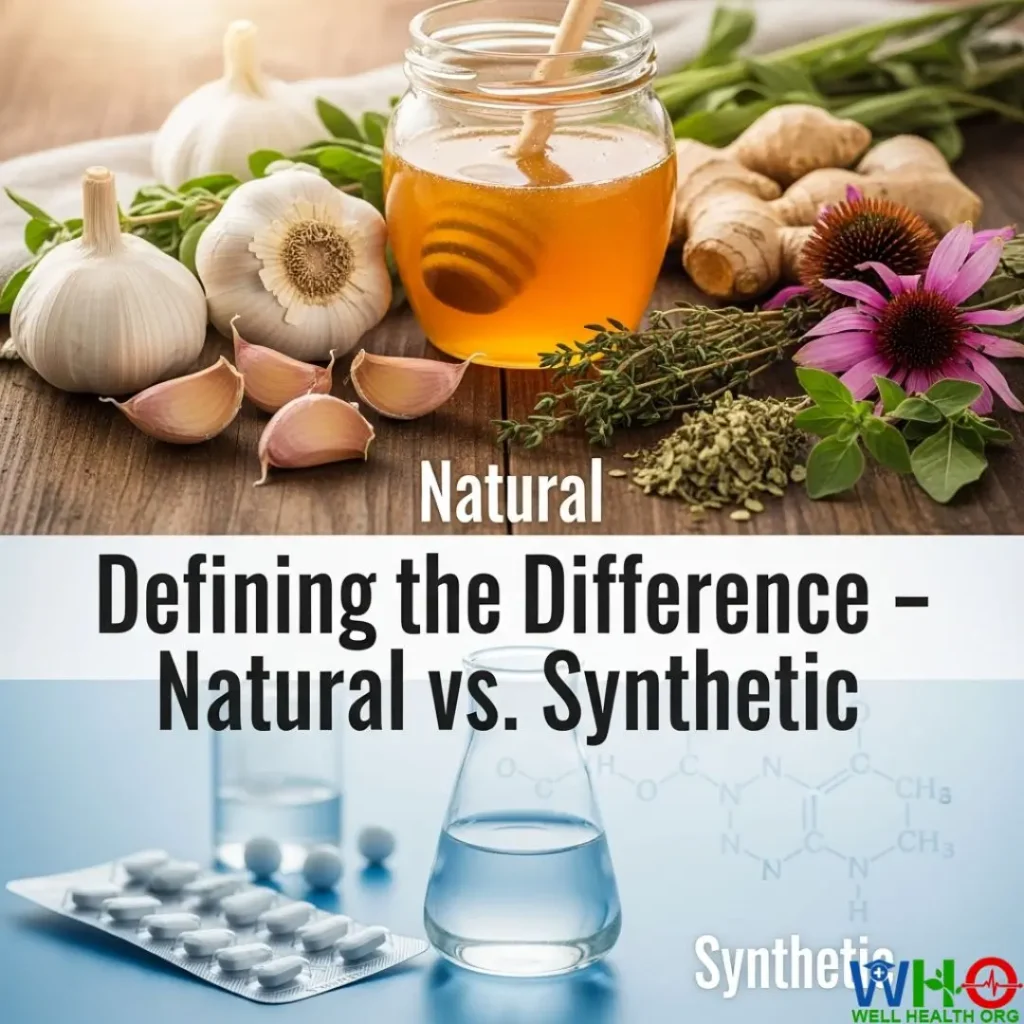
Part I: Defining the Difference – Natural vs. Synthetic
To appreciate the role of natural antimicrobials, we must first understand how they fundamentally differ from pharmaceutical antibiotics.
What are Natural Antibiotics?
Natural antibiotics are complex, often multi-component substances found in plants, fungi, and occasionally animal products, that have the inherent biological capability to inhibit the growth of or directly kill bacteria. They are part of the plant’s own defense system against pests and microbial invaders.
Complexity is the Key Advantage
The core distinction lies in the concept of molecular complexity.
- Synthetic Antibiotics: These are usually a single, standardized molecule designed to target one highly specific mechanism within the bacteria (e.g., inhibiting cell wall synthesis). This single target is what makes them effective, but also what allows bacteria to easily evolve resistance by mutating that single target.
- Natural Antibiotics: These contain a complex cocktail of hundreds of compounds (terpenes, polyphenols, volatile oils, alkaloids). These multiple compounds often attack bacteria simultaneously via multiple pathways:
- Disrupting the bacterial cell membrane.
- Interfering with nutrient uptake.
- Inhibiting toxin production.
- Disrupting DNA replication.
This multifaceted assault makes it far more difficult for the bacteria to develop resistance to the entire complex mix of natural compounds at once.
The Antibiotic Resistance Crisis and Natural Support
The Antibiotic Resistance Crisis—often cited as one of the greatest threats to global health—is rooted in the overuse and misuse of synthetic antibiotics. Since World War II, many bacteria have become Superbugs, leading to infections that are difficult, sometimes impossible, to treat.
Natural compounds play two crucial roles in this context:
- General Wellness & Prevention: Used proactively, they can support the immune system and address minor, non-critical infections, thus reducing the unnecessary demand for prescription antibiotics.
- Synergistic Action: Research is exploring how natural compounds, when used alongside traditional antibiotics, might help re-sensitize resistant bacteria to the original drug, offering a promising avenue for future combined therapies.
Part II: Nature’s Pharmacy – Top Herbal Antibiotics and Their Mechanisms
These compounds have been validated by traditional use across various cultures and are now supported by a growing body of scientific studies for their profound antimicrobial capabilities.
1. Garlic (Allium sativum)
Long revered in Egyptian, Greek, and Roman medicine, garlic is the undisputed heavyweight champion of natural antimicrobials.
Mechanism of Action: The Power of Allicin
The primary bioactive component is allicin, which is not naturally present in garlic but is formed instantly when raw garlic is crushed, chopped, or chewed.
- A unique sulfur compound: Allicin is a highly reactive sulfur-containing compound that is toxic to a wide range of bacteria (including E. coli, Salmonella, and antibiotic-resistant S. aureus).
- Multi-Target Attack: Allicin works by disrupting bacterial DNA and interfering with sulfur-containing enzymes essential for bacterial metabolism. It essentially starves and disables the bacteria simultaneously.
Practical Application
- Optimal Use: To gain therapeutic levels of allicin, garlic must be consumed raw. Crush or chop the clove and let it sit for 10 minutes before ingestion. This time allows the enzyme alliinase to fully convert the precursor (alliin) into allicin.
- Supplementation: Look for aged garlic extract or allicin-stabilized capsules, as many standard garlic powders have destroyed the active allicin compound.
- Caution: Garlic has mild blood-thinning properties and can interact with anticoagulant medications.
2. Manuka Honey (Leptospermum scoparium)
While all raw, high-quality honey possesses mild antimicrobial properties (due to its high sugar content and low pH), Manuka honey from New Zealand stands out for its superior antibacterial power, leading to its widespread use in clinical wound care.
Mechanism of Action: Methylglyoxal (MGO)
- Hydrogen Peroxide: All honey contains an enzyme that produces low levels of hydrogen peroxide, which is antibacterial.
- The MGO Factor: Manuka honey contains extremely high levels of Methylglyoxal (MGO), a potent non-peroxide compound. MGO is directly transferred from the nectar of the Manuka flower.
- Broad Spectrum: MGO provides significant broad-spectrum activity against even antibiotic-resistant strains like MRSA. Manuka honey creates a moist, low-pH wound environment while the MGO actively fights pathogens, accelerating healing and minimizing scarring.
Practical Application
- Grading: Therapeutic grade is measured by its UMF (Unique Manuka Factor) or MGO rating. Look for UMF 10+ or MGO 263+ for significant antibacterial effect.
- External Use: Use only clinically sterilized, medical-grade Manuka honey for wounds, ulcers, and burns, applied under professional guidance.
- Internal Use: For throat infections or digestive support, one teaspoon taken raw can be highly effective. Note: Never give honey to infants under 12 months old due to the risk of botulism.
3. Oil of Oregano (Origanum vulgare)
Oregano oil is one of the most concentrated and potent essential oil antimicrobials, historically used to combat intestinal parasites and respiratory infections.
Mechanism of Action: Carvacrol and Thymol
- Phenolic Compounds: The primary active compounds are the phenols Carvacrol and Thymol.
- Cell Membrane Destruction: These phenols are lipophilic, meaning they dissolve in fats. They rapidly disrupt and destroy the integrity of the bacterial cell membrane, causing the bacteria to literally leak its contents and die. This potent mechanism is highly effective against fungal infections (Candida) and a wide spectrum of bacteria.
Practical Application
- Concentration: Oregano oil must be sourced from Origanum vulgare and standardized to contain at least 60% Carvacrol.
- Dilution is Mandatory: Due to its extreme potency, oregano oil must never be ingested undiluted. Use internal capsules or dilute one drop in a teaspoon of olive oil or water before taking orally.
- Duration: Use for acute infections (e.g., cold symptoms, digestive upset) for a maximum of 7–10 days, as long-term use can disrupt beneficial gut flora.
4. Olive Leaf Extract (Olea europaea)
The olive tree’s leaves have been used for centuries to treat persistent fevers and infections in the Mediterranean region.
Mechanism of Action: Oleuropein
- Key Compound: The active component is Oleuropein.
- Interference: Oleuropein and its hydrolysis products interfere with the ability of viruses and bacteria to replicate and assemble. It specifically disrupts the production of amino acids necessary for bacterial growth, effectively crippling the pathogen’s ability to proliferate.
Practical Application
- Format: Olive leaf is commonly taken as a tincture or standardized capsule.
- Initial Effect: Some users experience a mild “Herxheimer reaction” (temporary flu-like symptoms) when starting, which is believed to be the body reacting to the rapid die-off of pathogens. This usually passes within 48 hours.
5. Berberine (from various plants: Hydrastis canadensis, Berberis vulgaris)
Berberine is a bright yellow alkaloid found in several traditional medicinal plants, most famously Goldenseal, Barberry, and Oregon Grape. It has profound anti-diabetic and anti-inflammatory effects, in addition to powerful antimicrobial action.
Mechanism of Action: Pump Inhibition
- The Efflux Pump: One way bacteria achieve resistance is by developing efflux pumps, which are microscopic vacuum cleaners that rapidly spit the antibiotic molecule back out of the cell before it can do damage.
- Berberine’s Role: Berberine is shown to inhibit these efflux pumps, making the bacteria vulnerable not only to berberine itself but potentially helping to restore the effectiveness of conventional antibiotics. It’s often highly effective against drug-resistant strains.
Practical Application
- Targeted Use: Berberine is primarily used for gut-related issues (e.g., SIBO, traveler’s diarrhea) and urinary tract infections (UTIs).
- Caution: Berberine is potent and should not be used long-term (more than 2–3 months) without professional guidance, as it can affect drug metabolism pathways in the liver. It is also contraindicated in pregnancy and infancy.
Part III: Safe and Responsible Use – Guidelines and Caveats
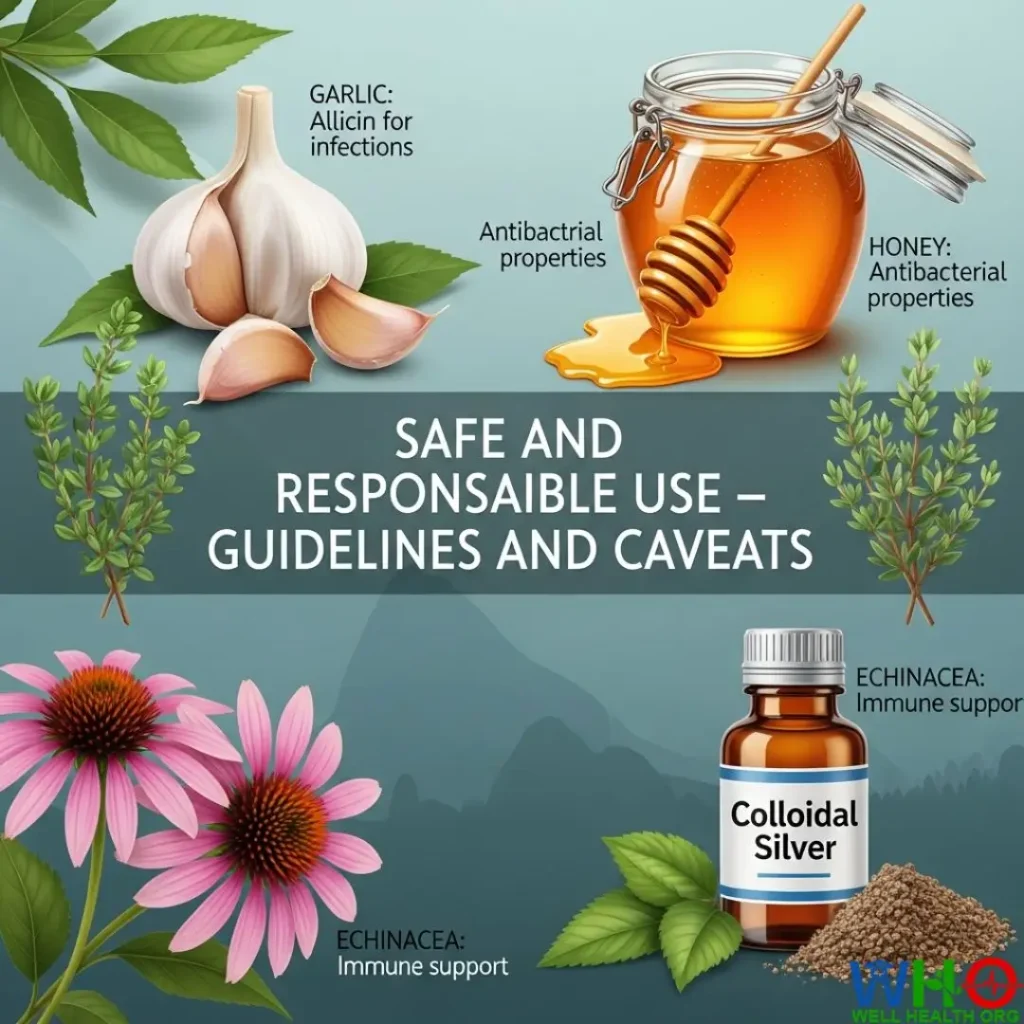
Natural does not mean harmless. These compounds are potent agents that require respect, proper dosing, and a clear understanding of their limitations.
Synergy: Combining Natural Support
Often, the most effective natural approach is to use a synergistic blend, utilizing compounds that work in different ways to address a broad range of potential pathogens.
- Gut Health: Combining Berberine (pump inhibition) with Ginger (broad-spectrum antimicrobial and anti-inflammatory) and Garlic (allicin attack) can be highly effective for digestive infections.
- Respiratory Support: Using Echinacea (immune-boosting) with diluted Oil of Oregano (direct kill) and Turmeric (anti-inflammatory) provides a comprehensive defense.
Dosage and Standardization: The Focus
Unlike prescription drugs, where every pill is identical, natural remedies require scrutiny.
- Standardized Extracts are Essential: Always choose products labeled as “standardized extracts.” This means the product is guaranteed to contain a specific concentration of the active compound (e.g., 95% Curcuminoids, 60% Carvacrol, or 10% Oleuropein). Without this standardization, the product may be too weak to have a therapeutic effect.
- Third-Party Verification: Look for independent seals of quality from organizations to confirm that the ingredients list matches the product’s contents and that it is free of contaminants.
The Critical Role of Turmeric and Ginger
While Turmeric and Ginger are powerful antimicrobials, their greatest contribution to fighting infection lies in their anti-inflammatory capabilities.
- Turmeric (Curcumin): By blocking the NF-$\kappa$B pathway, curcumin reduces the systemic inflammation that allows infections to take hold and overwhelm the immune response. It helps tame the environment in which the bacteria thrive.
- Ginger (Gingerols): Helps resolve the acute inflammation and pain associated with an infection (like a sore throat or inflamed gut) while providing mild, broad-spectrum antimicrobial action.
Part IV: When to See a Doctor – The Non-Negotiable Line
The primary rule of self-treatment is safety. Natural antibiotics are excellent for minor, non-critical infections (e.g., mild colds, localized fungal infections, general immune support). They are not substitutes for prescription medication in serious, life-threatening scenarios.
Immediate Professional Consultation is Required if:
| Condition / Symptom | Why Professional Care is Mandatory |
| High or Persistent Fever | A fever over $103^\circ\text{F}$ or one that lasts more than 48 hours is a sign the body is losing the fight and requires immediate intervention. |
| Sepsis Symptoms | Symptoms like confusion, very low blood pressure, rapid heart rate, or extreme fatigue indicate widespread, life-threatening bacterial infection. |
| Systemic Infections | Conditions like pneumonia (difficulty breathing), cellulitis (widespread skin infection), severe UTIs, or meningitis. |
| Underlying Health Risks | Individuals with diabetes, autoimmune disorders, weakened immune systems (e.g., due to chemotherapy), or post-surgical patients. |
| Worsening Symptoms | If a minor infection worsens, spreads, or shows no improvement after 48–72 hours of using natural remedies. |
The Physician’s Role
Only a healthcare professional can:
- Determine the Pathogen: Through lab cultures and testing, they identify the specific bacteria causing the illness.
- Determine Severity: They assess the risk of the infection spreading to vital organs.
- Prescribe Targeted Treatment: They select the most effective, targeted prescription antibiotic to eliminate the infection quickly and completely.
Risk of Under-Treating: Relying solely on natural remedies for a severe infection allows the bacteria time to proliferate and potentially cause permanent organ damage or lead to a dangerous case of sepsis.
Conclusion: Embracing an Integrated Future
All-natural antibiotics represent an extraordinary resource for wellness, offering complex, multi-targeted support against pathogens. The scientific validation of compounds like allicin, MGO, and carvacrol confirms what ancient traditions knew: nature is a profound pharmacy.
By understanding the unique, multi-pathway mechanisms of these herbal compounds, prioritizing high-quality, standardized products, and applying them responsibly, we can proactively support our immune systems and responsibly manage minor infections. This integrated approach—where natural remedies are utilized for daily health and immune resilience, while conventional medicine stands ready for acute, life-threatening infections—is the most informed, safest, and most powerful strategy for navigating the modern age of microbes.
❓ Frequently Asked Questions (FAQs) About Natural Antibiotics
1. How quickly do natural antibiotics work compared to prescription drugs?
Natural antibiotics generally work slower than synthetic prescription drugs.
- Prescription Antibiotics are designed for rapid, decisive action to eliminate a specific, confirmed pathogen, often showing results within 24 to 48 hours.
- Natural Antibiotics function as modulators and support agents. They build up in the system to create an environment hostile to microbes. For minor issues like a cold or localized irritation, you might notice improvement within 48 hours to 3 days. For chronic issues like mild gut imbalances, consistent use over several weeks may be necessary to see significant change.
2. Can natural antibiotics contribute to antibiotic resistance?
This is a complex area, but the current understanding suggests they pose a lower risk compared to single-molecule synthetic drugs.
- Synthetic drugs target one specific mechanism, making it easy for bacteria to mutate and develop resistance to that target.
- Natural compounds (like allicin in garlic or carvacrol in oregano) contain a complex mixture of molecules that attack the bacteria via multiple pathways simultaneously (e.g., disrupting the cell membrane, inhibiting DNA). It is far more difficult for a microbe to evolve resistance to this multifaceted assault.
- However, all antimicrobial agents, natural or synthetic, should be used only when necessary and for an adequate duration to minimize any potential for microbial adaptation.
3. Which natural antibiotics are best for specific common infections?
| Infection Type | Primary Recommended Natural Support | Mechanism of Action |
| Respiratory (Cold/Flu) | Oil of Oregano (diluted), Garlic (raw), Ginger | Direct cell membrane disruption (Oregano); anti-inflammatory support. |
| Gut/Digestive Issues | Berberine, Garlic, Manuka Honey | Efflux pump inhibition (Berberine); MGO activity (Honey); allicin attack (Garlic). |
| Minor Skin/Wounds | Manuka Honey (medical grade) | High MGO content provides topical, broad-spectrum antimicrobial action and aids healing. |
| Urinary Tract (UTIs) | Berberine, Olive Leaf Extract | Inhibition of bacterial replication and proliferation. |
4. What are the key safety precautions and interactions I must know?
Always consult a healthcare provider before starting any new regimen, especially if you take prescription medications.
- Blood Thinners: Garlic (in high doses), Turmeric (in high doses), and Ginger can all have mild blood-thinning effects and should be used with caution if you are taking prescription anticoagulants (like Warfarin).
- High Potency: Concentrated oils, such as Oil of Oregano, must always be diluted before ingestion to prevent irritation or damage to mucous membranes.
- Long-Term Use: Potent broad-spectrum agents like Berberine and Oil of Oregano should generally not be used for extended periods (over 8-12 weeks) as they can disrupt the balance of beneficial gut flora along with pathogens.
5. Why is standardized extract important when buying supplements?
Choosing a standardized extract ensures that your supplement contains a guaranteed, therapeutically effective amount of the active compound.
- Without standardization, a product may contain primarily filler or inactive plant matter.
- Look for guarantees such as: 60% Carvacrol (Oregano Oil), 95% Curcuminoids (Turmeric), or a specific MGO/UMF rating (Manuka Honey). This ensures you are getting the concentrated power you need for a therapeutic effect.
6. Can I give natural antibiotics to infants or while pregnant?
No, most natural antibiotics are contraindicated for infants, and many are not recommended during pregnancy or breastfeeding.
- Infants: Honey should never be given to children under 12 months due to the risk of infant botulism. Most potent herbal extracts are too strong for an infant’s developing system.
- Pregnancy/Breastfeeding: Potent alkaloids (like Berberine) and certain concentrated essential oils (like high-dose Oregano) can be harmful. Always seek advice from a doctor or qualified herbalist specializing in pregnancy before consuming any therapeutic herbal dose.
Medically Reviewed by Prof. Dr. Akram
Orthopedic Surgeon | Professor | Senior Medical Specialist
Prof. Dr. Akram is a distinguished surgeon with over 15 years of clinical expertise. Having served as a lead Emergency Specialist at Complex International Government Hospital, he currently leads a specialized team of 13 medical professionals at his private hospital. As a Professor at top medical universities, he ensures that every article on WellHealthOrg.com meets rigorous clinical standards.
Medical Disclaimer:
The information provided is for educational purposes only and is not a substitute for professional medical advice, diagnosis, or treatment. Always consult your physician for any medical concerns.
Our content is rigorously fact-checked by our 13-member Editorial Team under the clinical supervision of Prof. Dr. Akram.