
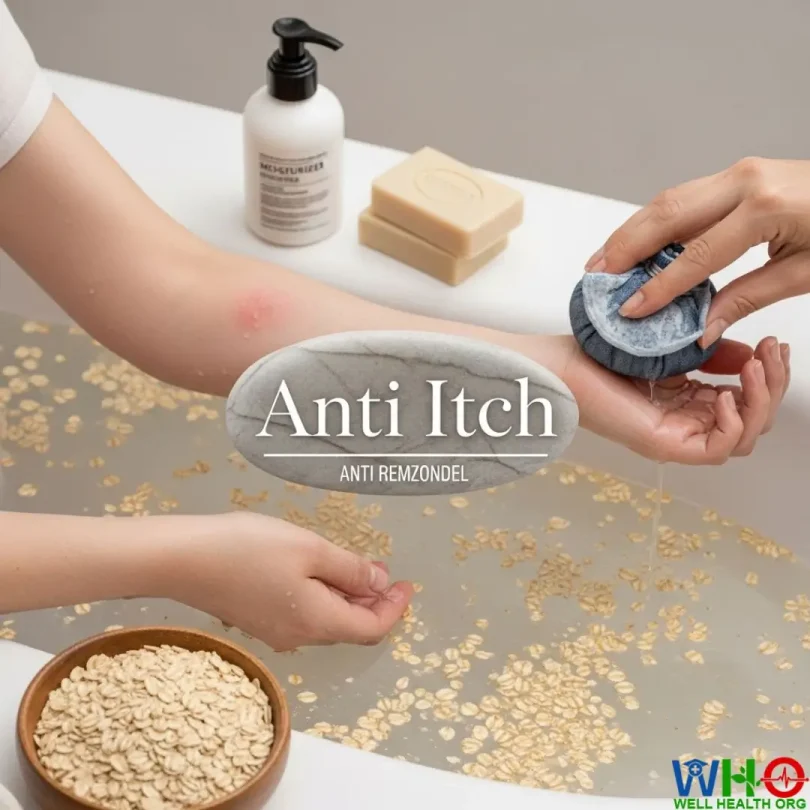
Anti Itch Home Remedy
That uncontrollable urge to scratch can feel maddening. Whether it’s a mild itch that distracts you during the day or a persistent one that keeps you awake at night, itchy skin—known medically as pruritus—can quickly turn from a minor irritation into a real quality-of-life issue.
- Anti Itch Home Remedy
- Understanding What Makes Your Skin Itch
- 1. Oatmeal Baths – Nature’s Soothing Blanket for Your Skin
- Why It Works
- How to Use
- Pro Tip
- 2. Cold Compresses – Quick, Natural Numbing Relief
- How to Use
- When It Helps Most
- 3. Moisturize, Moisturize, Moisturize! – Your First Defense Against Itch
- The Secret to Effective Moisturizing
- Moisturizing Routine Example
- Extra Tip
- 4. Aloe Vera – Nature’s Skin Healer
- How It Helps
- How to Use
- 5. Baking Soda – A Simple, Powerful Skin Neutralizer
- How to Use
- When to Use It
- 6. Coconut Oil – Deep Moisture with Antibacterial Benefits
- How to Use
- Pro Tip
- 7. Apple Cider Vinegar – Restoring Skin’s Natural Balance
- How to Use
- Important Note
- 8. Honey – Nature’s Golden Healer
- How It Helps
- How to Use
- 9. Chamomile Tea Compress – Gentle Herbal Comfort
- How to Use
- Lifestyle and Prevention Tips: Stop the Itch Before It Starts
- 1. Choose the Right Clothing
- 2. Optimize Your Environment
- 3. Use Gentle, Fragrance-Free Products
- 4. Stay Hydrated From the Inside Out
- 5. Maintain a Healthy Diet for Itch-Free Skin
- When Home Remedies Aren’t Enough
- See a doctor if:
- Additional Tips for Managing the Itch-Scratch Cycle
- 1. Keep Your Nails Short and Clean
- 2. Distract Your Mind
- 3. Use Cold Instead of Scratching
- 4. Try Over-the-Counter (OTC) Lotions
- The Science Behind Natural Itch Relief
- Real-Life Example: How Simple Remedies Can Transform Skin Health
- Your Path to Itch-Free Comfort
- Frequently Asked Questions
- Final Thoughts
The good news? You don’t always need expensive creams or prescriptions to find relief. In many cases, natural home remedies offer gentle, effective solutions that calm itching, restore your skin’s balance, and prevent future flare-ups.
In this guide, you’ll learn what causes itchy skin, discover nine powerful anti-itch home remedies, and explore expert tips to keep irritation at bay for good. Let’s dive in.
Understanding What Makes Your Skin Itch
Before we talk about remedies, let’s uncover why itching happens in the first place.
Your skin is packed with nerve endings that send signals to your brain whenever something irritates the surface—like dryness, allergies, or insect bites. The sensation of itching is your body’s built-in alarm system, telling you something isn’t quite right.

Unfortunately, scratching—while momentarily satisfying—often makes things worse. It can damage your skin barrier, spread bacteria, and lead to more inflammation, creating a vicious itch-scratch cycle.
Here are some of the most common triggers behind that relentless itch:
- Dry skin: Often worsens in cold weather, low humidity, or from excessive bathing.
- Insect bites: Mosquitoes, fleas, or bedbugs leave behind proteins that irritate your skin.
- Allergic reactions: From soaps, detergents, plants (like poison ivy), or food sensitivities.
- Skin conditions: Eczema, psoriasis, and dermatitis are frequent culprits.
- Healing wounds: Itching is part of your skin’s natural repair process.
- Environmental irritants: Fragrances, wool fabrics, and harsh chemicals.
- Medical conditions: Liver, kidney, or thyroid issues can sometimes cause unexplained itching.
Knowing the cause helps you choose the right remedy—and avoid the ones that could make the problem worse.
1. Oatmeal Baths – Nature’s Soothing Blanket for Your Skin
If your skin feels hot, dry, and inflamed, few things calm it better than a colloidal oatmeal bath. This isn’t the oatmeal from your breakfast bowl—it’s finely ground oats that dissolve completely in water, forming a silky, soothing mixture that coats and protects your skin.
Why It Works
Colloidal oatmeal contains compounds called avenanthramides and beta-glucans, which have natural anti-inflammatory and antioxidant properties. They reduce redness, itching, and irritation while helping your skin retain moisture.
In fact, a 2016 study found that colloidal oatmeal can repair the skin barrier, improve hydration, and relieve itchiness in people with chronic skin conditions like eczema.
How to Use
- Fill your bathtub with lukewarm water (avoid hot water—it worsens dryness).
- Add ½ cup of colloidal oatmeal and stir it well.
- Soak for 15–20 minutes, gently massaging the water into your skin.
- Pat (don’t rub!) your skin dry with a soft towel.
- Immediately apply a moisturizer to lock in hydration.
Pro Tip
For extra relief, add a few drops of lavender essential oil to the bathwater. Its calming aroma also helps reduce stress, which can sometimes worsen itching.
2. Cold Compresses – Quick, Natural Numbing Relief
When the urge to scratch becomes unbearable, a cold compress can work like magic. The cooling sensation temporarily numbs nerve endings, reducing the itch and soothing inflammation.
How to Use
- Soak a clean washcloth in cool water, wring it out, and press it against the itchy area for 5–10 minutes.
- For stronger relief, wrap a few ice cubes in a towel and hold them against the skin—never apply ice directly, as it can cause burns.
- Repeat as needed throughout the day, allowing your skin to rest for at least 30 minutes between applications.
When It Helps Most
Cold therapy works exceptionally well for:
- Insect bites or stings
- Heat rash
- Sunburn
- Contact dermatitis
- Allergic skin reactions
It’s a simple, fast, and non-messy solution that anyone can do at home.
3. Moisturize, Moisturize, Moisturize! – Your First Defense Against Itch
Dryness is the number one reason people develop itchy skin, especially during winter or in air-conditioned environments. When your skin loses moisture, the outer barrier becomes weak, leading to irritation and micro-cracks that trigger itching.
The Secret to Effective Moisturizing
The best time to apply moisturizer is right after bathing—while your skin is still slightly damp. This traps water inside the skin and restores its natural oils.
Choose moisturizers labeled:
- Fragrance-free and hypoallergenic
- Thick and creamy (lotions are too light for dry skin)
- Containing ceramides, glycerin, shea butter, or petrolatum
For severe dryness, plain petroleum jelly or mineral oil works wonders because it seals moisture in like a protective barrier.
Moisturizing Routine Example
- Bathe in lukewarm water (10–15 minutes).
- Pat skin dry gently.
- Apply moisturizer within two minutes after bathing.
- Reapply to itchy spots throughout the day as needed.
Extra Tip
If your itch is mostly on your hands or feet, try overnight occlusion therapy—apply a thick layer of moisturizer, then cover with cotton gloves or socks before bed. You’ll wake up to noticeably softer, calmer skin.
4. Aloe Vera – Nature’s Skin Healer
Few plants are as famous for skin relief as aloe vera. Its gel contains vitamins, enzymes, and anti-inflammatory compounds that soothe irritation, speed healing, and create a cooling sensation that stops itching fast.
How It Helps
Aloe vera works by hydrating the skin and promoting cell regeneration. It’s particularly effective for:
- Sunburn
- Minor cuts or scrapes
- Bug bites
- Mild allergic reactions
Studies show aloe vera reduces redness and helps restore the skin barrier, making it a great choice for those with eczema or contact dermatitis.
How to Use
- Break a fresh aloe leaf and scoop out the clear gel.
- Apply it directly to the itchy area.
- Let it air dry—no need to rinse.
- Reapply 2–3 times per day as needed.
If you’re buying aloe gel from a store, choose one with at least 95% pure aloe and no added alcohol or artificial fragrance.
5. Baking Soda – A Simple, Powerful Skin Neutralizer
Baking soda is one of the most versatile items in your kitchen—and it doubles as a natural itch remedy. Its mild alkalinity helps balance skin pH and neutralize acidic irritants that cause itching.
How to Use
- For full-body itching: Add ½ cup of baking soda to a lukewarm bath and soak for 15–20 minutes.
- For spot treatments: Make a paste by mixing baking soda with a little water. Apply it to the itchy area, let it sit for 10 minutes, then rinse with cool water.
When to Use It
This method works especially well for:
- Poison ivy or poison oak rashes
- Bug bites
- Minor rashes
- Mild fungal irritation
Avoid applying to broken or cracked skin—it can sting and worsen irritation.
6. Coconut Oil – Deep Moisture with Antibacterial Benefits
Rich in medium-chain fatty acids and antioxidants, coconut oil does more than hydrate your skin—it also fights bacteria and reduces inflammation.
Regular use can relieve itching caused by dryness, eczema, or mild fungal infections.
How to Use
- Warm a small amount of organic virgin coconut oil between your palms.
- Gently massage onto itchy or dry areas.
- Leave it on overnight for deep hydration.
Coconut oil is gentle enough for daily use and safe for both adults and children.
Pro Tip
Combine coconut oil with a drop or two of tea tree oil for extra antimicrobial power. Just do a patch test first to ensure you don’t react.
7. Apple Cider Vinegar – Restoring Skin’s Natural Balance
Apple cider vinegar (ACV) has long been valued for its antibacterial and antifungal properties. It helps rebalance your skin’s pH, making it harder for bacteria and irritants to thrive.
How to Use
- Mix 1 part ACV with 1 part water.
- Dip a cotton ball into the solution and dab it gently on the itchy area.
- Let it dry naturally.
- Rinse off if your skin feels sensitive.
For large areas, add one cup of ACV to a lukewarm bath and soak for 10–15 minutes.
Important Note
Never use undiluted vinegar on open wounds or broken skin—it can burn. Always dilute it and test a small patch first.
8. Honey – Nature’s Golden Healer
Honey isn’t just sweet—it’s a powerful natural antibacterial and humectant, meaning it draws moisture into your skin. For centuries, it’s been used to heal wounds and calm irritated skin.
How It Helps
Honey forms a protective barrier that locks in moisture and reduces inflammation. Its enzymes also promote tissue repair, making it perfect for itchy patches caused by dryness or eczema.
How to Use
- Apply a thin layer of raw or Manuka honey to the affected area.
- Leave it on for 15–20 minutes.
- Rinse off with lukewarm water and pat dry.
Repeat once or twice daily for best results.
9. Chamomile Tea Compress – Gentle Herbal Comfort
Chamomile is known for its calming effects, but it also works wonders on itchy skin. Its natural compounds—bisabolol and apigenin—have anti-inflammatory and mild antihistamine effects that soothe irritation.
How to Use
- Brew 2–3 chamomile tea bags in a cup of hot water.
- Let it cool completely.
- Soak a clean cloth in the tea and press it gently onto the itchy area.
- Leave for 10–15 minutes.
This gentle treatment is safe for sensitive skin and children, making it a perfect evening routine for calming irritation before bed.
Lifestyle and Prevention Tips: Stop the Itch Before It Starts
You’ve learned about some of the best anti-itch home remedies, but the truth is — prevention is even better than cure. By adopting smart skincare and lifestyle habits, you can dramatically reduce the chances of developing itchy, irritated skin in the first place.
Let’s explore the most effective strategies to keep your skin comfortable, hydrated, and itch-free every day.
1. Choose the Right Clothing
Your clothing plays a big role in how your skin feels throughout the day. Tight, rough, or synthetic fabrics like polyester and wool can trap sweat and irritate your skin, especially if you’re prone to eczema or allergies.
What to Do Instead:
- Opt for loose-fitting clothing made from soft, breathable fabrics such as cotton, silk, or bamboo.
- Avoid tight elastic waistbands or cuffs that can rub against the skin.
- Always wash new clothes before wearing them to remove dyes, detergents, and other chemical residues.
- During hot weather, wear light-colored clothing that reflects heat and helps keep you cool.
Pro Tip: If you sweat a lot, change your clothes as soon as they become damp — prolonged moisture encourages itching and bacterial growth.
2. Optimize Your Environment
The air inside your home can affect your skin more than you might think. Overly dry or overly hot environments can strip moisture from your skin, leading to chronic itching and irritation.
Here’s how to keep your surroundings skin-friendly:
- Use a humidifier during winter or in air-conditioned spaces to add moisture to the air.
- Keep your home temperature cool and stable; excessive heat increases perspiration and dryness.
- Avoid long, hot showers — they strip away natural oils. Instead, bathe in lukewarm water for no more than 15–20 minutes.
- If your water is hard (high in minerals), consider installing a water softener. Hard water can leave residue that irritates sensitive skin.
Maintaining an optimal environment helps your skin retain its natural moisture and prevents the cycle of dryness and itching.
3. Use Gentle, Fragrance-Free Products
Many people unknowingly worsen their itching by using harsh soaps, laundry detergents, or skincare products loaded with synthetic fragrances and dyes. These ingredients can strip away oils, weaken the skin barrier, and cause allergic reactions.
To protect your skin:
- Switch to fragrance-free, dye-free, and hypoallergenic versions of soaps, detergents, and moisturizers.
- Avoid antibacterial soaps unless prescribed — they often contain alcohols and chemicals that can dry your skin.
- Look for products labeled “for sensitive skin.”
- Always patch test new products on a small area before using them widely.
Remember, simpler is often better. The fewer ingredients a product has, the less likely it is to cause irritation.
4. Stay Hydrated From the Inside Out
You can’t expect your skin to stay hydrated if your body isn’t. Drinking enough water is one of the most overlooked aspects of skin health.
Aim for:
- At least 8 glasses of water per day, or more if you’re active or live in a hot climate.
- Incorporate hydrating foods like cucumbers, watermelon, oranges, and leafy greens into your diet.
Proper hydration supports your skin’s natural barrier function, keeping it smooth and resilient against itching.
5. Maintain a Healthy Diet for Itch-Free Skin
Your skin reflects what you eat. Nutrient-rich foods help repair tissue, balance inflammation, and strengthen your skin’s natural defenses.
Include more of these:
- Omega-3 fatty acids: Found in salmon, flaxseeds, and walnuts, these help reduce inflammation.
- Vitamin E: Supports skin healing and moisture retention. Sources include almonds, avocados, and sunflower seeds.
- Zinc and Vitamin C: Promote collagen production and wound healing.
- Probiotics: Found in yogurt and fermented foods, they balance gut bacteria, which in turn affects skin health.
Avoid excessive sugar, alcohol, and processed foods, which can increase inflammation and worsen itching.
When Home Remedies Aren’t Enough
Most mild cases of itching respond beautifully to home remedies and proper skincare routines. But sometimes, persistent itching can signal something more serious that needs professional care.
See a doctor if:
- Your itch lasts longer than two weeks despite home treatment.
- It spreads across your entire body or occurs without a visible rash.
- You notice swelling, pus, or oozing, which may indicate infection.
- The itching keeps you awake at night or interferes with daily life.
- You develop other symptoms such as fatigue, jaundice (yellowing of the skin), or unexpected weight loss.
In rare cases, chronic itching can be related to internal conditions such as liver disease, kidney dysfunction, thyroid imbalance, or even certain types of cancer. A healthcare provider can run tests to identify any underlying causes and provide targeted treatment.
Additional Tips for Managing the Itch-Scratch Cycle
Even when you know scratching makes things worse, resisting the urge can feel impossible. Here are a few strategies that can help:
1. Keep Your Nails Short and Clean
Short nails reduce the risk of tearing your skin and introducing bacteria. If you tend to scratch while asleep, consider wearing cotton gloves at night.
2. Distract Your Mind
Itching often worsens when you focus on it. Try mindfulness, deep breathing, or light activities like reading or stretching to shift your attention.
3. Use Cold Instead of Scratching
The moment you feel an itch, apply a cold compress or ice pack for a few minutes. This numbs the area and satisfies the urge to touch without damaging your skin.
4. Try Over-the-Counter (OTC) Lotions
If home remedies aren’t enough, products containing hydrocortisone, calamine, or pramoxine can provide additional relief. Use them sparingly and follow the instructions carefully.
The Science Behind Natural Itch Relief
Many of these home remedies aren’t just old-fashioned wisdom — modern research backs their effectiveness. Let’s look briefly at the science:
- Oatmeal contains antioxidants that soothe inflamed skin and improve hydration.
- Aloe vera accelerates wound healing and reduces inflammation by increasing collagen production.
- Coconut oil has antimicrobial fatty acids that reduce bacterial colonization on dry, cracked skin.
- Baking soda neutralizes acidic irritants that trigger itching.
- Chamomile and honey contain natural anti-inflammatory compounds that calm redness and irritation.
Together, these remedies target the root causes of itching rather than just masking the symptoms — making them safe, affordable, and effective for long-term relief.
Real-Life Example: How Simple Remedies Can Transform Skin Health
Consider Sarah, a 35-year-old teacher who struggled with dry, itchy skin every winter. She tried numerous commercial lotions and even steroid creams, but the itch always returned.
When she switched to a simpler routine — oatmeal baths twice a week, daily moisturizing right after showering, and swapping harsh soaps for gentle ones — her itching disappeared within two weeks.
Her story is a reminder that consistency and simplicity often outperform complexity when it comes to skin care.
Your Path to Itch-Free Comfort
Persistent itching can drain your energy, disturb your sleep, and affect your confidence. But the power to heal often lies right in your own home — in your pantry, your bathroom, and your daily habits.
From soothing oatmeal baths to calming chamomile compresses, these 9 proven anti-itch home remedies provide real, lasting relief without harsh chemicals or costly products.
By pairing them with smart prevention—like staying hydrated, moisturizing regularly, and choosing gentle fabrics—you can stop itching before it starts and enjoy comfortable, healthy skin all year long.
Listen to your skin. Treat it kindly. And remember — natural care works best when practiced consistently.
Frequently Asked Questions
1. How long do these home remedies take to relieve itching?
Most remedies provide noticeable relief within minutes to hours. However, consistent use over several days produces the best results, especially for dry or eczema-prone skin.
2. Can I combine multiple remedies?
Yes, but do so carefully. For example, you can moisturize after an oatmeal bath or apply aloe vera after a cold compress. Avoid mixing strong ingredients like baking soda and vinegar on the same area to prevent irritation.
3. Are these remedies safe for children?
Absolutely, but use gentle options like oatmeal baths, aloe vera, and chamomile compresses. Always do a patch test first and avoid strong essential oils on young skin.
4. Why does scratching make itching worse?
Scratching damages the skin barrier, causing more inflammation and increasing your risk of infection. It’s a short-term relief that leads to long-term discomfort.
5. When should I see a dermatologist?
If home treatments fail after two weeks or the itching is severe, spreading, or accompanied by other symptoms, see a dermatologist. Persistent itching may indicate an underlying medical condition.
Final Thoughts
You don’t have to live with the constant urge to scratch. With these natural, science-backed home remedies and lifestyle strategies, you can restore comfort, strengthen your skin, and prevent future flare-ups.
The secret lies in patience, consistency, and paying attention to what your skin truly needs.
Your journey to soft, calm, itch-free skin starts today — naturally.
Medically Reviewed by Prof. Dr. Akram
Orthopedic Surgeon | Professor | Senior Medical Specialist
Prof. Dr. Akram is a distinguished surgeon with over 15 years of clinical expertise. Having served as a lead Emergency Specialist at Complex International Government Hospital, he currently leads a specialized team of 13 medical professionals at his private hospital. As a Professor at top medical universities, he ensures that every article on WellHealthOrg.com meets rigorous clinical standards.
Medical Disclaimer:
The information provided is for educational purposes only and is not a substitute for professional medical advice, diagnosis, or treatment. Always consult your physician for any medical concerns.
Our content is rigorously fact-checked by our 13-member Editorial Team under the clinical supervision of Prof. Dr. Akram.







