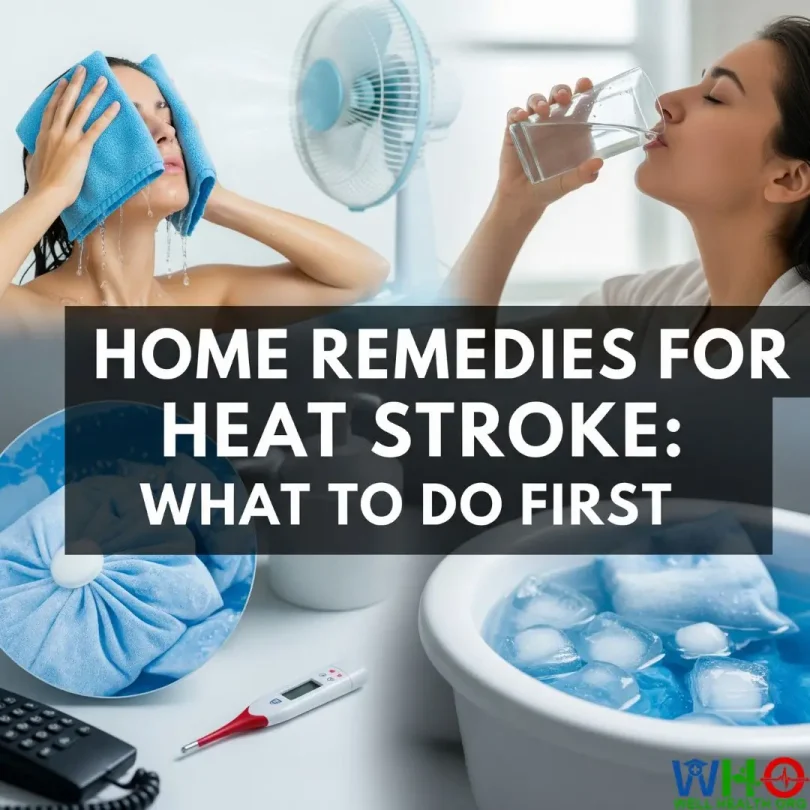
Heat Stroke
Heat stroke is not merely a bout of feeling “too hot”—it is a catastrophic failure of the body’s temperature regulation system. It is a severe, life-threatening medical emergency that demands split-second decision-making. When the body’s internal temperature skyrockets to dangerous levels—typically exceeding 104°F (40°C)—and the physiological mechanisms to cool down (like sweating) fail, the result is a systemic crisis.
- Understanding the Enemy: What Is Heat Stroke?
- The Two Types of Heat Stroke
- Recognizing the Red Flags: Signs and Symptoms
- Neurological Symptoms (The Hallmark Signs)
- Physical Symptoms
- Immediate First Aid: The “Cool First, Transport Second” Rule
- Step 1: Move and Strip
- Step 2: Aggressive Active Cooling
- A. Cold Water Immersion (The Gold Standard)
- B. The Evaporation Method (Mist and Fan)
- C. Strategic Ice Pack Placement
- Critical Mistakes: What NOT To Do
- 1. Do NOT Give Fever Medication
- 2. Do NOT Force Fluids
- 3. Do NOT Rub with Alcohol
- Traditional Home Remedies for Cooling and Recovery
- 1. Onion Juice: An Ancient Ayurvedic Remedy
- 2. Aam Panna (Green Mango Nectar)
- 3. Buttermilk and Probiotics
- 4. Tamarind Drink
- 5. Sandalwood Paste
- 6. Coconut Water
- Hydration Techniques: The Science of Rebalancing Fluids
- Why Plain Water Isn’t Enough
- Homemade Electrolyte Solution (ORS)
- The Urine Test
- Dietary Recommendations for Heat Stroke Recovery
- What to Eat
- Foods to Avoid
- Comprehensive Prevention Strategies: Staying Safe in the Future
- 1. Acclimatization is Key
- 2. Watch the “Wet Bulb” Temperature
- 3. Strategic Scheduling
- 4. Smart Clothing Choices
- 5. Car Safety (The Greenhouse Effect)
- 6. Check Your Meds
- When to Seek Follow-Up Medical Help
- Conclusion: Knowledge is Power
- Frequently Asked Questions About Heat Stroke
- 1. What is the single biggest difference between Heat Exhaustion and Heat Stroke?
- 2. Can I just sleep off heat stroke?
- 3. How long does it take to recover from heat stroke?
- 4. Why do some people stop sweating during heat stroke?
- 5. Are certain medications risky during a heatwave?
- 6. Can heat stroke cause permanent damage?
- 7. Is salt water good for heat stroke?
- The Bottom Line: Immediate Action Saves Lives
Unlike milder forms of heat illness, such as heat cramps or heat exhaustion, heat stroke directly targets the central nervous system. It can cause confusion, seizures, organ failure, and even death if not treated immediately.
This comprehensive guide is designed to equip you with deep knowledge, practical skills, and actionable steps to handle a heat stroke emergency. We will cover immediate first aid protocols, the science behind cooling the body, traditional home remedies for recovery and prevention, and essential dietary adjustments. Whether you are an athlete, a parent, a caregiver for the elderly, or someone living in a hot climate, this information could one day save a life.
Understanding the Enemy: What Is Heat Stroke?
To treat heat stroke effective, you must first understand what is happening inside the body. Humans are endotherms, meaning we regulate our own body temperature. The hypothalamus, a small region in the brain, acts as our internal thermostat. When we get hot, the hypothalamus signals the sweat glands to release moisture and blood vessels to dilate (expand) to release heat through the skin.
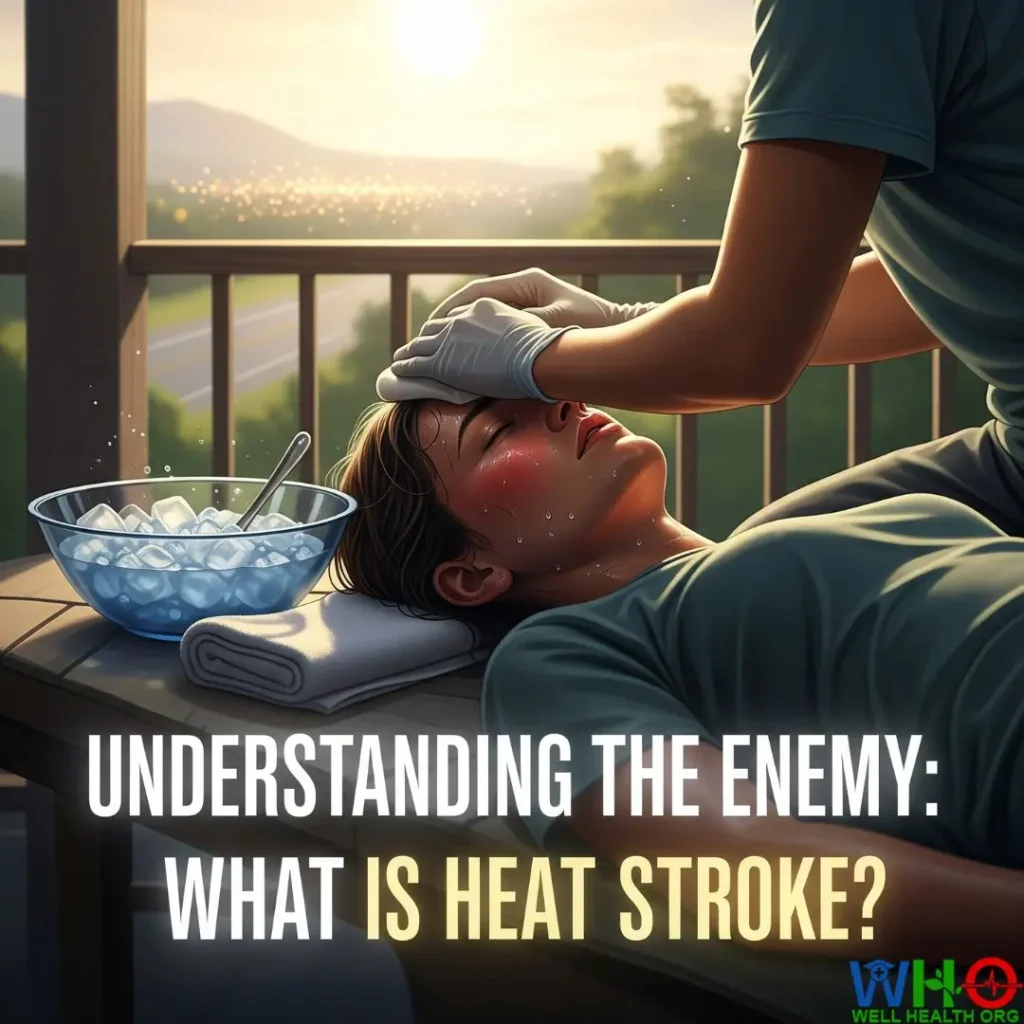
Heat stroke occurs when this system is overwhelmed. Imagine a car engine running at full speed without a radiator or coolant; eventually, the engine seizes. In the human body, this “seizure” manifests as the denaturation of proteins and the breakdown of cell membranes throughout the body.
The Two Types of Heat Stroke
It is important to distinguish between the two primary forms of this condition, as they often affect different demographics:
- Classic (Non-Exertional) Heat Stroke: This type occurs due to exposure to high environmental temperatures, often combined with high humidity. It develops slowly over several days and primarily affects the elderly, infants, and those with chronic medical conditions who cannot regulate their body temperature efficiently.
- Exertional Heat Stroke (EHS): This strikes suddenly and affects healthy, active individuals. It is caused by intense physical activity in hot weather. Athletes, military personnel, and outdoor laborers are at high risk. In EHS, the body generates heat faster than it can dissipate it.
Recognizing the Red Flags: Signs and Symptoms
Time is the enemy when dealing with heat stroke. The “Golden Hour” concept used in trauma medicine applies here: the faster you cool the victim, the higher their survival rate. Recognizing the symptoms early is critical.

Neurological Symptoms (The Hallmark Signs)
The definitive difference between heat exhaustion and heat stroke is the involvement of the brain. Look for:
- Altered Mental State: Confusion, agitation, irritability, or delirium. The person may not know where they are or what year it is.
- Slurred Speech: They may sound intoxicated despite having had no alcohol.
- Seizures: Uncontrollable shaking or convulsions.
- Coma: Loss of consciousness and unresponsiveness.
Physical Symptoms
- Core Temperature: A rectal temperature of 104°F (40°C) or higher.
- Skin Changes:
- In Classic Heat Stroke, the skin is often hot, red, and dry (sweating has stopped).
- In Exertional Heat Stroke, the skin may still be moist or slightly sweaty.
- Rapid Heart Rate: The heart beats frantically (tachycardia) to try to pump blood to the skin for cooling.
- Rapid Breathing: Shallow, fast breaths (hyperventilation).
- Nausea and Vomiting: The body diverts blood away from the stomach, causing digestive distress.
- Throbbing Headache: Often described as the worst headache of their life.
Immediate First Aid: The “Cool First, Transport Second” Rule
If you suspect heat stroke, call 911 or your local emergency services immediately. Do not wait to see if the person gets better. Heat stroke is a medical emergency comparable to a heart attack.
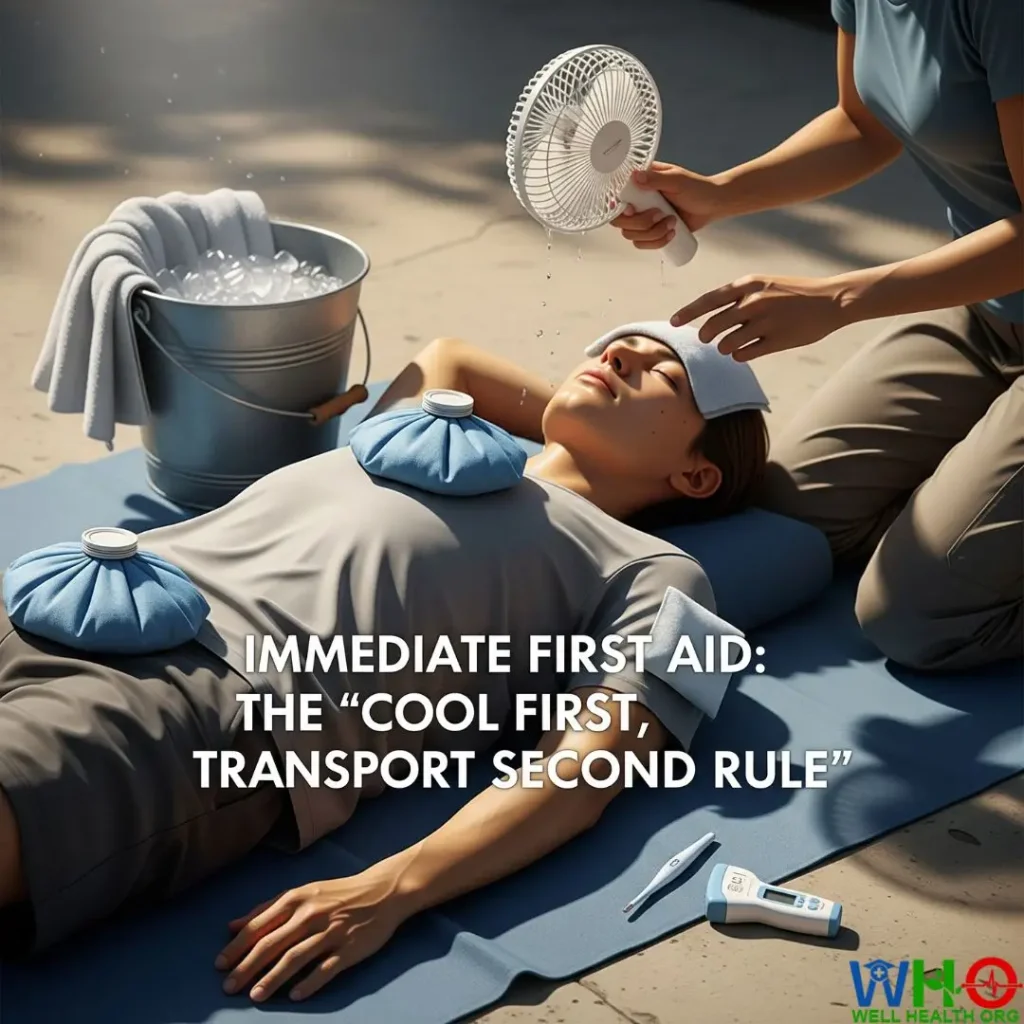
While waiting for the ambulance, your actions are the difference between life and death. The current medical consensus focuses on aggressive cooling. The goal is to lower the core temperature to approximately 102°F (38.9°C) as rapidly as possible to stop cellular damage.
Step 1: Move and Strip
- Get Out of the Sun: Immediately move the person to a shaded area or, ideally, an air-conditioned building. If you are outdoors and no building is near, move them to the deepest shade available (under a tree or a tarp).
- Remove Clothing: Modesty is not a priority here. Remove tight, heavy, or synthetic clothing. Shoes and socks act as insulators—take them off. Leave the person in their undergarments to expose as much skin surface area as possible to the air.
Step 2: Aggressive Active Cooling
You must cool the person using whatever means you have. Here is a hierarchy of the most effective methods:
A. Cold Water Immersion (The Gold Standard)
Studies on exertional heat stroke have shown that immersing the patient in a tub of ice water is the most effective treatment. It conducts heat away from the body 30 times faster than air.
- Fill a tub, kiddie pool, or large container with water and ice.
- Submerge the person from the neck down. Keep their head elevated.
- Constantly monitor their consciousness. If they are struggling or unconscious, you must hold their head up to prevent drowning.
- This method is intense but highly effective for young, healthy individuals (exertional stroke). For elderly patients (classic stroke), extreme ice shock might be too stressful for the heart; use tepid or cool water instead.
B. The Evaporation Method (Mist and Fan)
If a tub isn’t available, this is the second-best option and is standard protocol in many emergency rooms.
- Lay the person down.
- Spray or sponge their entire body with cool or lukewarm water.
- Fan them vigorously. You can use a manual fan, a piece of cardboard, or an electric fan.
- The Science: The moving air evaporates the water on the skin. Evaporation is an endothermic process, meaning it absorbs heat from the skin, effectively pulling the temperature down.
C. Strategic Ice Pack Placement
If you have ice packs or bags of frozen vegetables, place them on areas where major blood vessels are close to the skin’s surface. This cools the blood as it circulates through the body.
- Target Areas: The neck, armpits, and groin.
- Note: This method is slower than immersion or misting but is better than doing nothing. Use it in conjunction with fanning.
Critical Mistakes: What NOT To Do
In panic situations, people often resort to common knowledge that applies to fevers or flu. However, heat stroke is not a fever. A fever is the body raising its thermostat to fight infection; heat stroke is the thermostat breaking.
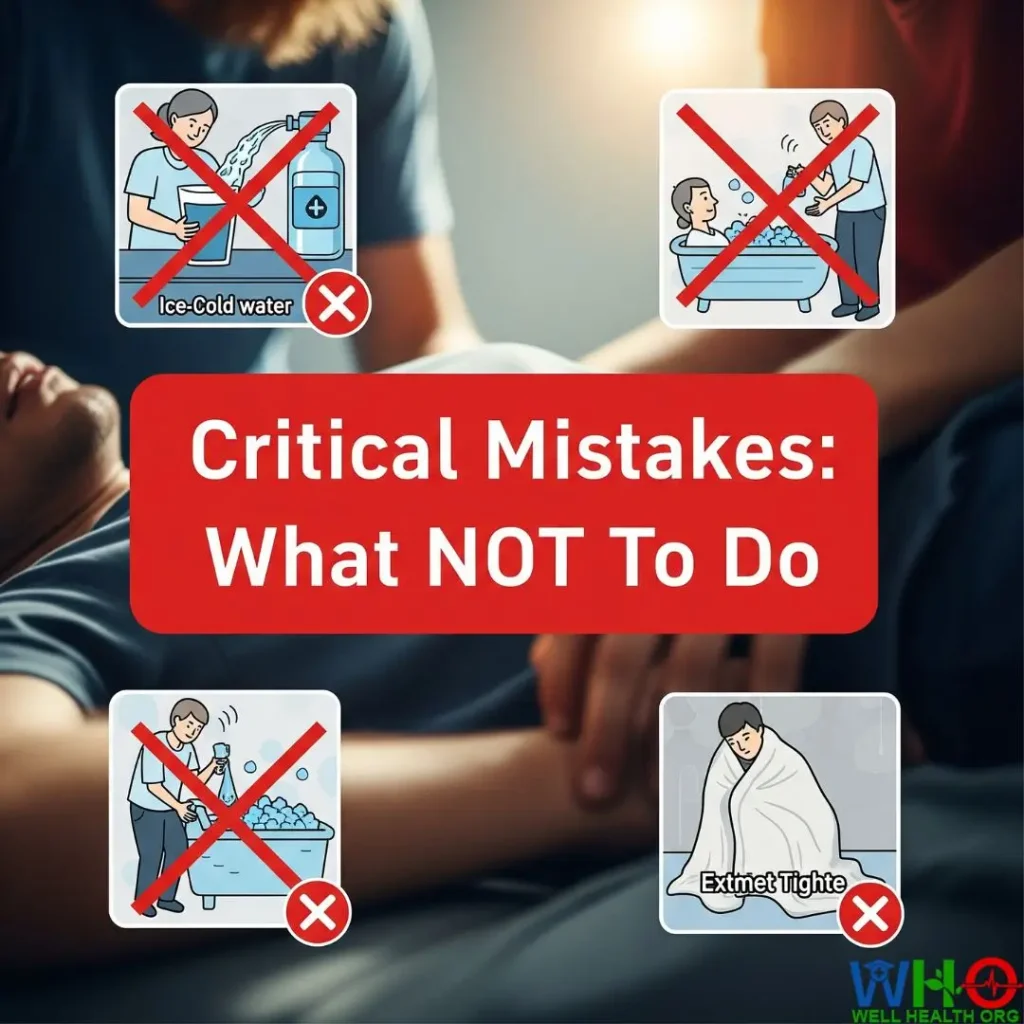
1. Do NOT Give Fever Medication
Avoid aspirin, ibuprofen (Advil), or acetaminophen (Tylenol). These drugs (antipyretics) work by adjusting the hypothalamus set-point. In heat stroke, the set-point is normal, but the body is overheating externally. These medications will not lower the temperature and can cause liver or kidney damage, as these organs are already under stress from the heat.
2. Do NOT Force Fluids
If the person is confused, semi-conscious, or unconscious, do not pour water into their mouth. Their swallowing reflex may be impaired, and the fluid could enter their lungs (aspiration), leading to pneumonia or drowning. Intravenous (IV) fluids administered by paramedics are safer.
3. Do NOT Rub with Alcohol
In the past, rubbing alcohol was suggested for cooling. This is dangerous. Alcohol can be absorbed through the skin, leading to toxicity, and it can cause shivering, which actually raises body temperature. Stick to water.
Traditional Home Remedies for Cooling and Recovery
Disclaimer: The following remedies are traditionally used to cool the body down during heat exhaustion or to aid recovery after the medical emergency of heat stroke has been stabilized by doctors. Do not rely on these instead of medical treatment during an acute crisis.
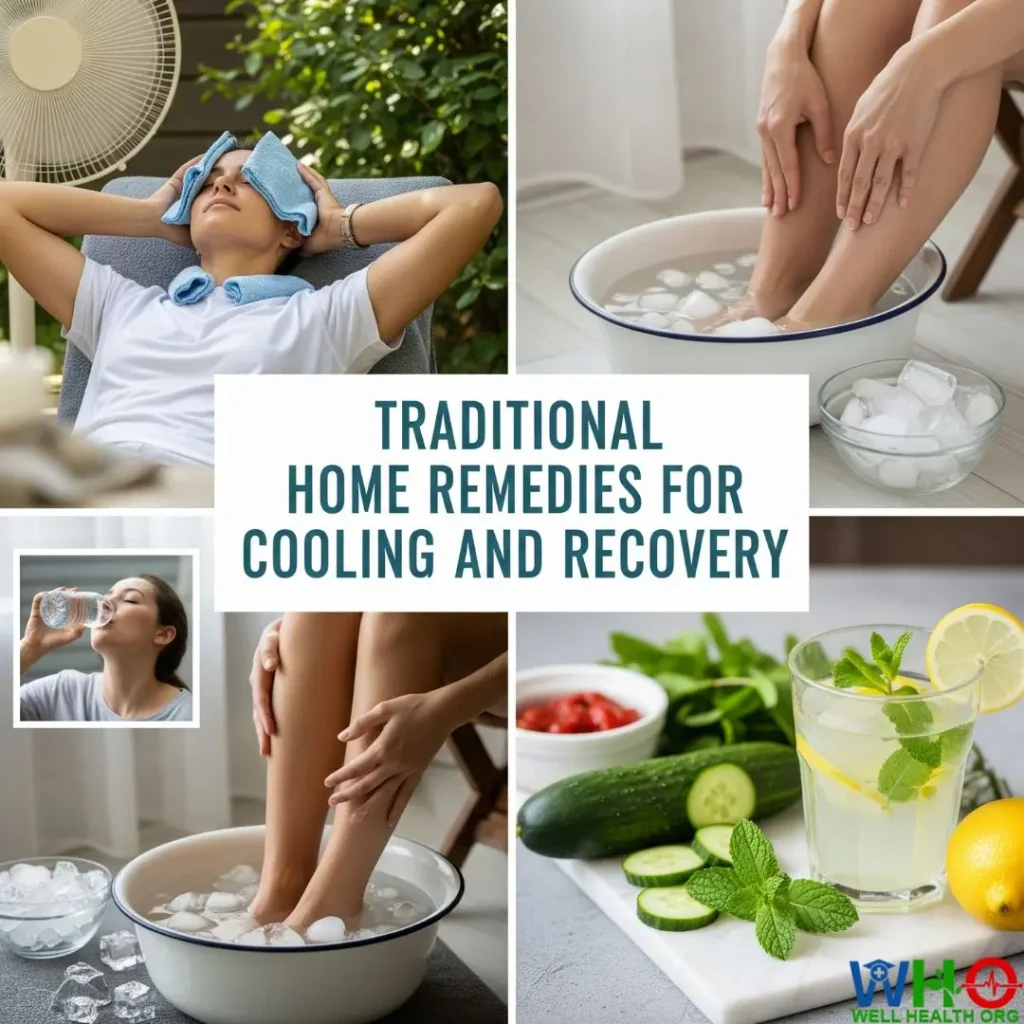
Once the immediate danger has passed and the patient is recovering at home, restoring the body’s balance is essential. Many cultures have utilized natural ingredients for centuries to combat the effects of extreme heat.
1. Onion Juice: An Ancient Ayurvedic Remedy
In Indian and Egyptian traditional medicine, onions are revered for their heat-absorbing properties.
- Topical Application: Extract juice from a raw onion and apply it behind the ears, on the chest, and on the soles of the feet. It is believed to help draw out heat.
- Internal Use (Recovery): A small amount of raw onion juice mixed with honey can be consumed to manage heat symptoms. Onions contain quercetin, which acts as an anti-allergen and can help protect against heat rashes.
2. Aam Panna (Green Mango Nectar)
Raw green mangoes are a powerhouse of electrolytes and Vitamin C. “Aam Panna” is a staple drink in South Asia to prevent heat stroke.
- How it works: It prevents the excessive loss of sodium chloride and iron during sweating.
- Preparation: Boil raw mangoes until soft. Extract the pulp and mix with water, cumin powder, black salt, and a little sugar or jaggery. This drink is far superior to many commercial sodas for rehydration.
3. Buttermilk and Probiotics
In hot climates, dairy products like buttermilk (often spiced with coriander and cumin) are preferred over heavy milk.
- Benefit: Buttermilk is rich in probiotics, vitamins, and minerals. It hydrates the body without overloading the stomach. The lactic acid helps settle digestive issues caused by heat stress.
4. Tamarind Drink
Tamarind is rich in vitamins, minerals, and electrolytes.
- Preparation: Soak tamarind in boiling water, strain it, and add a pinch of sugar.
- Benefit: It helps lower body temperature and acts as a mild laxative to treat stomach disorders that often accompany heat exhaustion.
5. Sandalwood Paste
Sandalwood has natural cooling properties.
- Application: Mix sandalwood powder with a little rose water to form a paste. Apply it to the forehead and chest.
- Effect: It provides a soothing, cooling sensation on the skin and can help alleviate the throbbing headache associated with heat exposure.
6. Coconut Water
Nature’s own sports drink. Coconut water is naturally sterile and packed with potassium and magnesium. It balances the body’s pH levels and rehydrates faster than plain water.
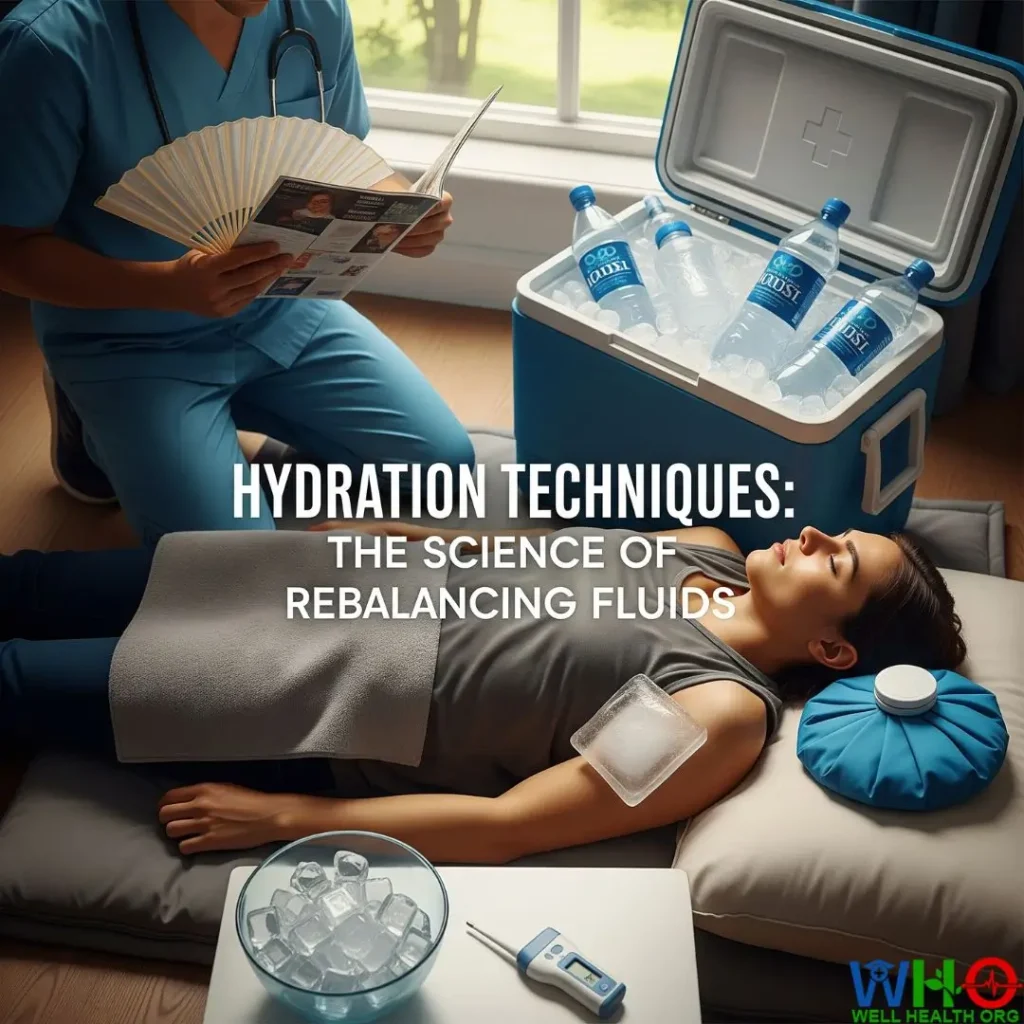
Hydration Techniques: The Science of Rebalancing Fluids
Recovery from heat stroke is not just about drinking water; it’s about fixing the chemical balance of the blood. When you sweat profusely, you lose water, but you also lose electrolytes (sodium, potassium, magnesium, chloride).
Why Plain Water Isn’t Enough
Drinking gallons of plain water without replacing salt can lead to a condition called hyponatremia (low blood sodium). This can cause brain swelling and is potentially fatal.
Homemade Electrolyte Solution (ORS)
If you don’t have access to commercial sports drinks like Gatorade or Pedialyte, you can make a World Health Organization-standard Oral Rehydration Solution (ORS) at home:
- Ingredients:
- 1 liter (approx. 4 cups) of clean, safe drinking water.
- 6 level teaspoons of sugar.
- 1/2 level teaspoon of salt.
- Instructions: Mix until fully dissolved. The sugar helps the intestines absorb the salt and water more efficiently.
The Urine Test
During recovery, monitor hydration by checking urine color.
- Pale Straw/Clear: Good hydration.
- Dark Yellow/Amber: Dehydrated—drink more fluids.
- Brown/Tea-Colored: Severe dehydration or rhabdomyolysis (muscle breakdown)—seek medical help immediately.
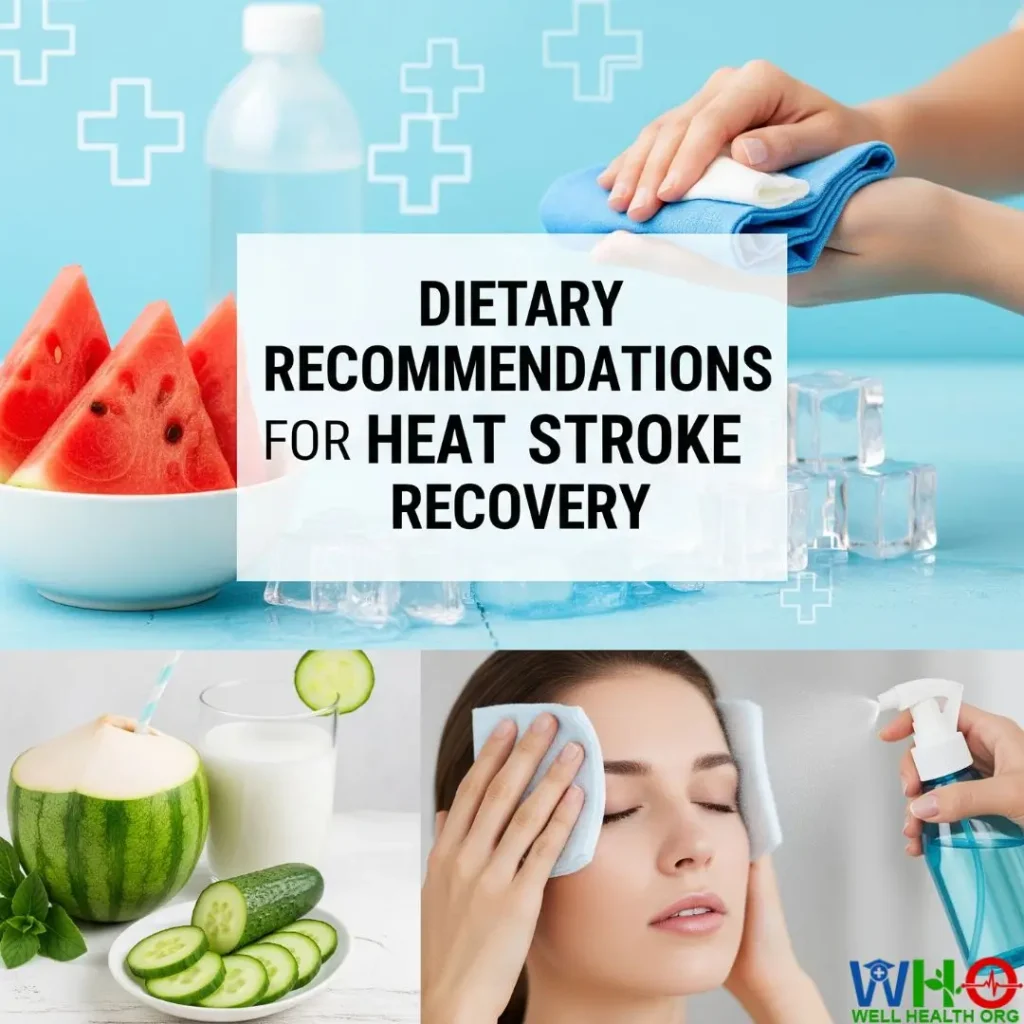
Dietary Recommendations for Heat Stroke Recovery
After a heat stroke event, the internal organs, particularly the liver and kidneys, are recovering from shock. The digestive system is likely weak. The diet for the next 48 to 72 hours should be gentle, cooling, and nutrient-dense.
What to Eat
- Water-Rich Fruits and Vegetables:
- Watermelon: Contains 92% water and lycopene, which protects skin cells from sun damage.
- Cucumber: Highly hydrating and contains diuretic properties to help flush out toxins.
- Muskmelon/Cantaloupe: Rich in potassium, which regulates heart rhythm.
- Lean Proteins:
- Stick to boiled eggs, steamed fish, or lentils. These provide the protein needed for tissue repair without the heavy fats that are hard to digest.
- Soups and Broths:
- Vegetable broths or chicken soup provide fluids and essential sodium. They are easy on the stomach and help replenish minerals.
Foods to Avoid
- Diuretics:
- Coffee, tea, soda, and alcohol are diuretics, meaning they increase urine production and dehydrate you further. Avoid them strictly for at least a week after recovery.
- High-Fat and Spicy Foods:
- Burgers, fries, and heavy curries require significant energy to digest. This digestion process generates metabolic heat (thermogenesis), which you want to avoid during recovery. Spicy foods containing capsaicin can also raise body temperature.
Comprehensive Prevention Strategies: Staying Safe in the Future
Once you have suffered from heat stroke, you are more susceptible to getting it again. Your body’s thermoregulatory center may remain sensitive for weeks or months. Prevention becomes a lifestyle necessity.
1. Acclimatization is Key
The human body is amazing at adapting, but it needs time. If you travel to a hotter climate or the season changes abruptly, do not push yourself to 100% intensity immediately.
- The Rule: Start with 20% of your normal activity level and increase it by 10-20% each day. This allows your body to increase its sweat rate and blood volume to handle the heat.
2. Watch the “Wet Bulb” Temperature
Temperature isn’t the only factor; humidity kills. When humidity is high, sweat cannot evaporate, meaning your body’s primary cooling mechanism fails.
- Check the “Heat Index” or “Wet Bulb Globe Temperature” (WBGT) before outdoor activities. If the humidity is above 60-70%, be extremely cautious even if the thermometer only reads 90°F.
3. Strategic Scheduling
Avoid the “danger zone” hours. The sun is typically strongest between 10:00 AM and 4:00 PM. Schedule jogs, gardening, or walks for early morning or late evening.
4. Smart Clothing Choices
- Material: Wear cotton or specialized moisture-wicking synthetic fabrics. Avoid polyester blends that trap heat.
- Color: Light colors reflect the sun’s radiation; dark colors absorb it.
- Fit: Loose-fitting clothes create an air layer between the fabric and skin, allowing air circulation to aid evaporation.
5. Car Safety (The Greenhouse Effect)
Never, under any circumstances, leave a child, elderly person, or pet in a parked car.
- The Fact: Even with windows cracked, the temperature inside a car can rise 20 degrees in just 10 minutes. A dashboard can reach 160°F. This is a common cause of preventable heat stroke death.
6. Check Your Meds
Certain medications increase the risk of heat stroke by affecting the body’s ability to stay hydrated or regulate temperature. These include:
- Diuretics (water pills).
- Beta-blockers (heart medication).
- Antihistamines (allergy meds).
- Antidepressants/Antipsychotics.
- Tip: If you take these, stay indoors during heatwaves and consult your doctor about precautions.
When to Seek Follow-Up Medical Help
Even if you successfully cool someone down at home and they appear to be recovering, they must see a doctor. Heat stroke can cause “silent” damage.
- Rhabdomyolysis: This is the breakdown of muscle tissue that releases a damaging protein into the blood. It can lead to kidney failure days after the event.
- Liver Damage: The liver is highly sensitive to heat and may show signs of dysfunction later.
- Electrolyte Imbalance: Persistent imbalances can cause heart arrhythmias.
A doctor will run blood tests to check kidney function, liver enzymes, and electrolyte levels to ensure the “all clear.”
Conclusion: Knowledge is Power
Heat stroke is a formidable adversary, but it is largely preventable and treatable if you act fast. The shift from a fun day in the sun to a life-threatening emergency can happen rapidly. By recognizing the confusion and lack of sweating that characterize this condition, and by remembering the mantra “Cool First, Transport Second,” you become a vital link in the chain of survival.
Remember, home remedies like onion juice and herbal drinks are excellent tools for prevention and recovery, but ice and cold water are the weapons you need in the heat of the battle. Stay hydrated, respect the sun, and listen to your body—it usually tells you when it’s time to cool down before it’s too late.
Frequently Asked Questions About Heat Stroke
Heat stroke is a complex medical event, and misinformation can be dangerous. Below are detailed answers to the most common questions regarding heat-related illnesses, designed to clarify confusion and ensure you are prepared.
1. What is the single biggest difference between Heat Exhaustion and Heat Stroke?
While both conditions are caused by the body overheating, the defining difference is brain function (mental status).
- Heat Exhaustion: The person is hot, sweaty, and may feel dizzy or nauseous, but they are still mentally “with it.” They know who they are, where they are, and can answer questions clearly.
- Heat Stroke: The central nervous system shuts down. The person will appear confused, agitated, disoriented, or may be unresponsive. If someone is talking nonsense, stumbling as if drunk, or has passed out, assume it is heat stroke immediately.
2. Can I just sleep off heat stroke?
Absolutely not. This is a dangerous misconception.
If someone is suffering from heat stroke, they may lose consciousness, which looks like sleep but is actually a coma-like state caused by brain swelling. Allowing a person with suspected heat stroke to “sleep” prevents you from monitoring their condition and delays life-saving cooling treatment.
Even if it is only mild heat exhaustion, one should not sleep until they have been cooled down, rehydrated, and their body temperature has returned to normal. Always keep the person awake and monitor them until you are sure they are stable or medical help arrives.
3. How long does it take to recover from heat stroke?
Recovery is not immediate and varies based on the severity of the incident.
- Initial Recovery: It may take 1 to 2 days in the hospital to stabilize fluids and electrolytes.
- Full Recovery: It can take 2 months to a year for the body to fully bounce back. After a heat stroke, the brain’s thermoregulatory center (the hypothalamus) is often temporarily “reset” or damaged. This means you will be much more sensitive to heat for several weeks. Doctors often recommend avoiding strenuous exercise in hot weather for at least a few weeks after discharge.
4. Why do some people stop sweating during heat stroke?
This is a classic sign of Classic (Non-Exertional) Heat Stroke.
When the body is severely dehydrated and overheated, it reaches a breaking point where it simply runs out of fluid to sweat, or the nervous system stops sending the signal to sweat glands in an attempt to preserve remaining blood volume for vital organs.
Note: In Exertional Heat Stroke (common in athletes), the person may still be sweating profusely because the condition happened so fast that the body hasn’t run out of fluids yet. Therefore, do not rule out heat stroke just because someone is wet with sweat.
5. Are certain medications risky during a heatwave?
Yes. Many prescription and over-the-counter drugs can interfere with the body’s cooling mechanisms.
- Vasoconstrictors: Medicines like decongestants (for colds/allergies) restrict blood flow to the skin, preventing heat release.
- Diuretics: Often prescribed for high blood pressure, these increase urine output, making dehydration happen much faster.
- Beta-Blockers: These limit the heart’s ability to pump blood fast enough to cool the skin.
- Antidepressants: Some classes of drugs can affect the hypothalamus directly.
If you are on these medications, you must be hyper-vigilant about hydration and staying indoors during peak heat.
6. Can heat stroke cause permanent damage?
Yes, if treatment is delayed. The high internal temperature literally “cooks” cells.
- The Brain: Can suffer permanent swelling or cerebellar atrophy, leading to coordination issues.
- The Kidneys: Rhabdomyolysis (muscle breakdown) releases toxins that can cause acute kidney failure, sometimes requiring lifelong dialysis.
- The Liver: This organ is very sensitive to heat shock and can suffer long-term dysfunction.
This is why the “Cool First, Transport Second” approach is vital—every minute above 104°F increases the risk of permanent organ failure.
7. Is salt water good for heat stroke?
No, you should never drink pure salt water (seawater) or highly concentrated salt solutions. This will severely dehydrate you further.
However, a balanced electrolyte solution (like the homemade ORS mentioned in the article: 1 liter water, 6 tsp sugar, 1/2 tsp salt) is beneficial. The key is the balance. You need a small amount of salt to help the body retain the water, but too much salt pulls water out of your cells. Stick to sports drinks, coconut water, or the specific home recipe.
The Bottom Line: Immediate Action Saves Lives
Heat stroke is a preventable tragedy, yet it remains one of the leading causes of weather-related death worldwide. The transition from a hot, uncomfortable day to a medical catastrophe can happen in minutes.
Remember the Core Rules of Heat Safety:
- Respect the Heat: Do not underestimate high humidity. If the air is saturated with moisture, your sweat cannot save you. Adjust your activities accordingly.
- Recognize the Signs: Look for the change in mental status. Confusion is the loudest warning bell the body can ring. If a teammate, family member, or friend stops making sense in the heat, act immediately.
- Cool First, Transport Second: This is the most critical takeaway. While you must call 911, do not stand idly by waiting for the ambulance. Aggressive cooling—ice baths, cold hoses, wet towels, and fanning—initiated within the first 30 minutes gives the victim nearly a 100% survival rate.
- Hydrate Smartly: Water is good; electrolytes are better during high exertion. Avoid the “anti-hydrators” like alcohol and caffeine when the mercury rises.
By keeping these home remedies, first aid protocols, and prevention tips in mind, you are not just protecting yourself—you are becoming a safeguard for your family and community. Stay cool, stay aware, and stay safe.
Medically Reviewed by Prof. Dr. Akram
Orthopedic Surgeon | Professor | Senior Medical Specialist
Prof. Dr. Akram is a distinguished surgeon with over 15 years of clinical expertise. Having served as a lead Emergency Specialist at Complex International Government Hospital, he currently leads a specialized team of 13 medical professionals at his private hospital. As a Professor at top medical universities, he ensures that every article on WellHealthOrg.com meets rigorous clinical standards.
Medical Disclaimer:
The information provided is for educational purposes only and is not a substitute for professional medical advice, diagnosis, or treatment. Always consult your physician for any medical concerns.
Our content is rigorously fact-checked by our 13-member Editorial Team under the clinical supervision of Prof. Dr. Akram.