
Natural Over The Counter Anxiety Medication
Anxiety is more than just a fleeting feeling of nervousness before a presentation or a first date. For over 40 million adults in the United States alone, it is a persistent, often debilitating companion that can cloud judgment, disrupt sleep, and drain the joy from daily life. It is the invisible weight on the chest, the racing thoughts at 3:00 AM, and the sudden, inexplicable dread that strikes in the grocery store aisle.
- Part 1: The Biology of Anxiety: What We Are Treating
- The Amygdala and the Alarm System
- The Neurotransmitter Imbalance
- Part 2: The Top Tier: Science-Backed Natural Supplements
- 1. Magnesium: The Original Chill Pill
- 2. Ashwagandha: The Cortisol Crusader
- 3. L-Theanine: Alert Relaxation
- 4. Kava Kava: The Potent Pacific Root
- 5. Passionflower: The GABA Booster
- 6. Lavender Oil: Aromatherapy and Internal Use
- 7. Valerian Root: Nature’s Sedative
- 8. Rhodiola Rosea: For “Burnout” Anxiety
- 9. Omega-3 Fatty Acids
- 10. 5-HTP (5-Hydroxytryptophan)
- Part 3: The New Frontier: CBD and Cannabinoids
- Part 4: Safety Protocols: How to Navigate the Supplement Aisle
- 1. The Importance of Third-Party Testing
- 2. The “Stacking” Risk
- 3. Drug Interactions
- Part 5: Beyond the Pill: Lifestyle as Medicine
- 1. The Gut-Brain Axis
- 2. Breathwork: The Physiological Reset
- 3. Sleep Hygiene Architecture
- 4. Exercise as a Stress Flush
- Part 6: Frequently Asked Questions (FAQs)
- Part 7: When to Seek Professional Help
- The Bottom Line
While pharmaceutical interventions like SSRIs (Selective Serotonin Reuptake Inhibitors) and benzodiazepines are the gold standard for clinical treatment, they are not the right fit for everyone. Some people worry about side effects like drowsiness, weight gain, or dependency. Others simply prefer to exhaust natural avenues before turning to prescription drugs. This has led to a massive surge in interest regarding natural Over-The-Counter (OTC) anxiety medications.
Walk down the supplement aisle of any pharmacy, and you will be bombarded with bottles promising “calm,” “stress support,” and “relaxation.” But amidst the marketing hype, what actually works? Which compounds can truly cross the blood-brain barrier to alter your neurochemistry safely?
This comprehensive guide is your roadmap to natural anxiety relief. We will move beyond the surface-level descriptions and dive deep into the biochemistry of botanicals, minerals, and amino acids. We will explore safety protocols, optimal dosages, and the lifestyle architectures necessary to support a calm mind.
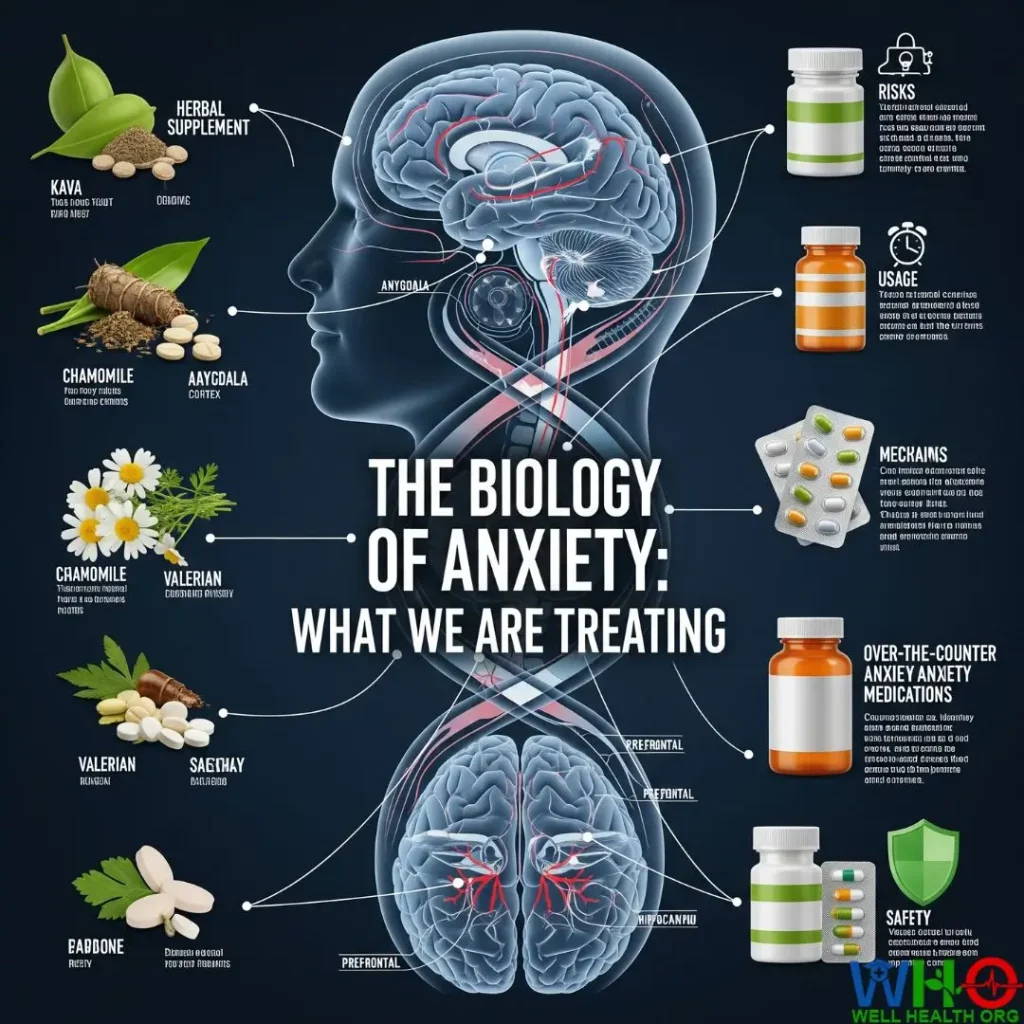
Part 1: The Biology of Anxiety: What We Are Treating
To understand how natural supplements work, we must first understand what is happening inside an anxious brain. Anxiety is not a character flaw; it is a physiological state.
The Amygdala and the Alarm System
Deep in your brain lies an almond-shaped structure called the amygdala. It is your threat detection center. In people with anxiety, the amygdala is hyperactive. It perceives threats where there are none—an unanswered text, a strange noise, a looming deadline—and hits the panic button.
The Neurotransmitter Imbalance
When the alarm sounds, your brain chemistry shifts.
- Cortisol & Adrenaline: These stress hormones flood your system, causing a racing heart and shallow breathing (the “fight or flight” response).
- GABA Deficiency: Gamma-aminobutyric acid (GABA) is your brain’s “brake pedal.” It calms neuronal activity. Anxiety is often linked to low levels of GABA.
- Glutamate Overload: Glutamate is the “gas pedal.” Too much of it leads to racing thoughts and restlessness.
- Serotonin Fluctuations: This neurotransmitter regulates mood and sleep. Low levels are associated with both depression and anxiety.
The Goal of Natural OTC Medication:
Most effective natural remedies work by targeting these specific pathways: boosting GABA, lowering cortisol, or modulating serotonin receptors to restore balance.
Part 2: The Top Tier: Science-Backed Natural Supplements
Not all supplements are created equal. The following compounds have the strongest backing in nutritional psychiatry and biochemistry for managing mild to moderate anxiety.
1. Magnesium: The Original Chill Pill
Magnesium is often called “nature’s valium,” and for good reason. It is an essential mineral involved in over 300 biochemical reactions in the body, yet studies suggest a vast majority of adults are deficient in it.
How It Works:
Magnesium acts as a gatekeeper for the NMDA receptors in the brain. When these receptors are over-stimulated, they cause anxiety and cell death. Magnesium blocks these receptors, preventing over-excitation. Furthermore, magnesium is required for the synthesis of GABA.
Choosing the Right Form:
This is where most people fail. Cheap magnesium (like Magnesium Oxide) is poorly absorbed and mostly acts as a laxative.
- Magnesium Glycinate: Highly bioavailable and bound to glycine, a calming amino acid. This is the gold standard for anxiety.
- Magnesium L-Threonate: The only form shown to effectively cross the blood-brain barrier, making it excellent for cognitive anxiety and brain fog.
Pro Tip: Take magnesium in the evening, about an hour before bed, to support sleep onset.
2. Ashwagandha: The Cortisol Crusader
Ashwagandha (Withania somnifera) is the superstar of Ayurvedic medicine. It is classified as an adaptogen—a substance that helps the body maintain homeostasis (balance) during stress.
How It Works:
Unlike sedatives that force you to relax, ashwagandha works on the endocrine system. Multiple clinical trials have shown that high-concentration ashwagandha root extract can significantly lower serum cortisol levels (the stress hormone). By lowering the body’s baseline stress response, the mind naturally follows suit.
What to Look For:
Look for “standardized root extract.” The most researched patent is often labeled as KSM-66. This ensures you are getting the full spectrum of withanolides (the active compounds) without the toxicity sometimes found in the leaves.
Warning: Ashwagandha is potent. Some users report “emotional blunting” (feeling flat) after long-term use. It is often best used in cycles—for example, taking it for three months and then taking one month off.
3. L-Theanine: Alert Relaxation
If you have ever felt a sense of calm clarity after drinking green tea, you have experienced L-Theanine. This amino acid is unique because it promotes relaxation without sedation.
How It Works:
L-Theanine increases the production of alpha brain waves. Alpha waves are associated with a state of “wakeful relaxation”—similar to the state of mind achieved during meditation. It also helps block the binding of glutamate (the excitatory chemical) to receptors in the brain.
The Synergistic Effect:
L-Theanine pairs exceptionally well with caffeine. If coffee makes you jittery and anxious, taking L-Theanine alongside it can smooth out the “edges,” giving you focus without the panic. This is a popular “stack” for those with workplace anxiety who still need to be productive.
4. Kava Kava: The Potent Pacific Root
Kava is culturally significant in the South Pacific, where it is consumed as a ceremonial drink. It is perhaps the most potent natural anxiolytic (anxiety-reducer) available OTC.
How It Works:
Kava contains compounds called kavalactones. These interact with the limbic system (the emotional brain) similarly to benzodiazepines, but without the same high risk of dependency. It provides a significant physical relaxation effect.
Crucial Safety Warning:
Kava has a controversial history regarding liver health.
- Only buy “Noble” Kava: Avoid “Tui” or unknown varieties, which can be toxic.
- Root Only: Ensure the supplement is made from the root, not the stems or leaves.
- Avoid Alcohol: Never mix kava with alcohol, as the combination puts immense strain on the liver.
- Consult a doctor before use if you have any history of liver issues.
5. Passionflower: The GABA Booster
Passionflower (Passiflora incarnata) is a beautiful vine that has been used by indigenous peoples of the Americas for centuries.
How It Works:
Passionflower appears to boost the level of GABA in the brain. One study famously compared passionflower extract to a prescription anti-anxiety medication and found them to be similarly effective for Generalized Anxiety Disorder (GAD), though passionflower took longer to start working.
Best Use Case:
Because it can be mildly sedating, passionflower is excellent for “racing mind” anxiety that prevents you from falling asleep.
6. Lavender Oil: Aromatherapy and Internal Use
We often think of lavender as just a pleasant smell, but oral lavender oil (specifically a preparation called Silexan) has impressive clinical backing.
How It Works:
Oral lavender oil preparations modulate voltage-gated calcium channels in nerve cells. This reduces the release of excitatory neurotransmitters. In head-to-head studies, specific lavender oil preparations have performed comparably to low-dose lorazepam and antidepressants for calming anxiety, with no potential for abuse or sedation.
Note: Do not drink essential oils from the fragrance aisle. You must look for pharmaceutical-grade lavender oil capsules specifically designed for ingestion.
7. Valerian Root: Nature’s Sedative
If your anxiety manifests primarily as insomnia, Valerian is the heavyweight champion.
How It Works:
Valerian inhibits the breakdown of GABA, keeping more of this calming chemical available in your brain synapses. It has a very distinct, earthy (some say unpleasant) odor, which is a sign of its potency.
Best Use Case:
Valerian is a sedative. It is not recommended for daytime use as it can cause drowsiness and slower reaction times. Use it strictly for nighttime anxiety.
8. Rhodiola Rosea: For “Burnout” Anxiety
Rhodiola is another adaptogen, often used in Russia and Scandinavia. While Ashwagandha is calming, Rhodiola is slightly more energizing.
How It Works:
It influences the levels of serotonin and dopamine. It is particularly effective for “burnout”—the specific type of exhausted anxiety that comes from chronic overwork and fatigue. If you feel tired but wired, Rhodiola may be the right choice.
9. Omega-3 Fatty Acids
While usually associated with heart health, high-dose Omega-3s are crucial for the brain. The brain is 60% fat, and it relies on these fatty acids to maintain the integrity of cell membranes.
The EPA/DHA Ratio:
For mood and anxiety, research suggests that Eicosapentaenoic Acid (EPA) is the most critical component. When buying fish oil, look for a high ratio of EPA to DHA (ideally 2:1 or higher). A daily dose of 2000mg of EPA has shown promise in reducing inflammation-linked anxiety.
10. 5-HTP (5-Hydroxytryptophan)
5-HTP is a precursor to serotonin. Your body makes it from tryptophan (found in turkey and milk) and turns it into serotonin.
The Controversy:
While 5-HTP supplements can boost mood, they are tricky.
- The Safety Trap: If you are already taking an antidepressant (SSRI or MAOI), taking 5-HTP can lead to Serotonin Syndrome, a potentially life-threatening condition caused by too much serotonin.
- Gut Health: Most serotonin is made in the gut. Sometimes 5-HTP causes significant nausea before it can help the brain.
- Verdict: Only use 5-HTP under medical supervision, and never combine it with prescription psychiatric meds.
Part 3: The New Frontier: CBD and Cannabinoids
No guide to OTC anxiety relief is complete without mentioning Cannabidiol (CBD). Since the 2018 Farm Bill in the US, CBD has exploded onto the market.
How It Works:
CBD does not get you “high” (that is THC). Instead, CBD interacts with the Endocannabinoid System (ECS), a vast network of receptors throughout your body that regulates mood, pain, and sleep. CBD seems to prevent the breakdown of your body’s own calming endocannabinoids (like anandamide), effectively boosting your natural stress resilience.
Isolate vs. Full Spectrum:
- CBD Isolate: Pure CBD. Good if you must avoid all THC for drug testing.
- Full Spectrum: Contains CBD plus terpenes and trace amounts of THC (under 0.3%). This creates an “entourage effect,” where the compounds work better together than alone. For anxiety, Full Spectrum is generally considered more effective.
Dosage:
Most people under-dose CBD. A 5mg gummy is rarely enough for an adult. Clinical studies often use doses ranging from 25mg to 300mg. Start low and go slow, but do not be afraid to titrate up if you feel nothing.
Part 4: Safety Protocols: How to Navigate the Supplement Aisle
The supplement industry is often referred to as the “Wild West.” Unlike prescription drugs, the FDA does not strictly regulate OTC supplements for safety and efficacy before they hit the shelves. This puts the burden of quality control on you, the consumer.
1. The Importance of Third-Party Testing
Since companies do not have to prove what is in the bottle, some shady manufacturers use fillers or lower dosages than advertised.
- Look for Seals: Check the bottle for seals from USP (United States Pharmacopeia), NSF International, or ConsumerLab. These independent organizations test products to ensure they contain what they claim and are free from heavy metals and contaminants.
2. The “Stacking” Risk
“Stacking” is taking multiple supplements at once. While some stacks (like L-Theanine and Magnesium) are safe and synergistic, others can be dangerous.
- Sedative Overload: Combining Kava, Valerian, and Passionflower can depress your central nervous system too much, leading to dangerous drowsiness or respiratory issues.
- Serotonin Overload: Stacking St. John’s Wort (another herb) with 5-HTP and Rhodiola can spike serotonin to dangerous levels.
3. Drug Interactions
“Natural” does not mean “neutral.”
- St. John’s Wort: This herb is notorious for inducing liver enzymes that clear drugs from your system too fast. It can render birth control pills, blood thinners, and heart medications ineffective.
- Kava and Valerian: Can potentiate the effects of anesthesia. If you are having surgery, you must stop these at least two weeks prior.
The Golden Rule: Always tell your doctor or pharmacist about every vitamin, powder, and tea you are consuming.
Part 5: Beyond the Pill: Lifestyle as Medicine
Supplements are tools, not cures. They can lower the volume of your anxiety, but they cannot change the radio station. To truly manage anxiety, you must pair these OTC remedies with lifestyle changes that alter your brain’s structure over time.
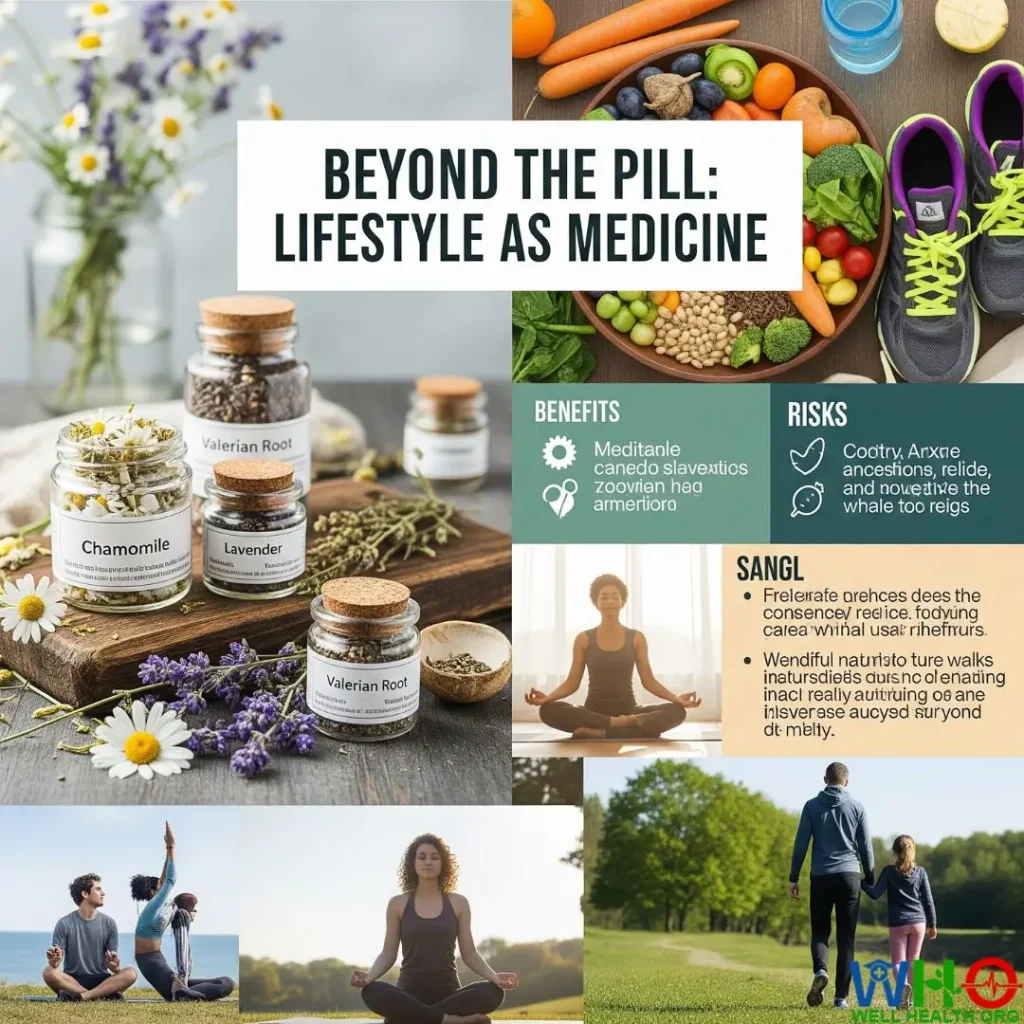
1. The Gut-Brain Axis
Your gut is often called your “second brain.” The vagus nerve connects your intestines directly to your brainstem. If your gut is inflamed, your brain will be anxious.
- Probiotics: Research suggests that specific strains of bacteria (like Lactobacillus rhamnosus) can reduce anxiety behavior. Eating fermented foods like sauerkraut, kimchi, and kefir supports this microbiome.
- Sugar Reduction: High sugar intake spikes insulin and cortisol, leading to a “crash” that mimics a panic attack.
2. Breathwork: The Physiological Reset
You cannot think your way out of anxiety, but you can breathe your way out. Anxiety forces short, shallow chest breathing.
- The 4-7-8 Technique: Inhale through the nose for 4 seconds, hold for 7 seconds, and exhale forcefully through the mouth for 8 seconds. This long exhale physically stimulates the Vagus nerve, forcing the body to switch from the Sympathetic (fight/flight) to the Parasympathetic (rest/digest) nervous system.
3. Sleep Hygiene Architecture
Anxiety causes poor sleep, and poor sleep causes anxiety. It is a vicious cycle.
- Morning Light: Get 10 minutes of sunlight in your eyes within 30 minutes of waking. This sets your circadian clock and boosts serotonin.
- The Cool Down: Your body temperature needs to drop to initiate sleep. Keep your bedroom cool (around 65°F-68°F).
- Magnesium Routine: Use the magnesium glycinate mentioned earlier as the trigger for your wind-down routine.
4. Exercise as a Stress Flush
When you are anxious, your blood is full of adrenaline and cortisol meant for running away from a tiger. If you sit on the couch, those chemicals simmer and cause damage.
- Zone 2 Cardio: Moderate exercise (where you can talk but it is difficult) helps metabolize these stress hormones.
- Yoga: Combines movement with breathwork, proven to raise GABA levels in the brain.
Part 6: Frequently Asked Questions (FAQs)
Q: How long does it take for natural anxiety medication to work?
A: It depends on the substance.
- Immediate: L-Theanine, Magnesium, and Kava can provide relief within 30 to 60 minutes.
- Cumulative: Ashwagandha, Rhodiola, and Omega-3s typically require 2 to 4 weeks of consistent daily use to build up in your system and effect change.
Q: Can I take these if I am already on Zoloft or Xanax?
A: You must proceed with extreme caution. Combining herbal sedatives (Valerian, Kava) with benzodiazepines (Xanax) can cause excessive sedation. Combining serotonin boosters (5-HTP, St. John’s Wort) with SSRIs (Zoloft) is dangerous. Always consult your prescribing physician first.
Q: Are these remedies safe for children?
A: Children’s bodies metabolize compounds differently. Magnesium and Chamomile are generally considered safe for children in age-appropriate doses, but potent herbs like Kava and Ashwagandha should generally be avoided unless directed by a pediatrician.
Q: Is it just the placebo effect?
A: The placebo effect is powerful, but the supplements listed in this guide (Magnesium, Ashwagandha, Lavender, etc.) have demonstrated efficacy better than placebo in double-blind, randomized clinical trials. There is real biochemistry at work here.
Part 7: When to Seek Professional Help
Natural remedies are fantastic for mild to moderate anxiety, situational stress, and generalized worry. However, they have limits.
You should seek professional medical help if:
- Your anxiety is preventing you from going to work, school, or leaving the house.
- You are experiencing panic attacks that feel like heart attacks.
- You are using alcohol or other substances to cope with the anxiety.
- You have thoughts of self-harm or hopelessness.
There is no shame in needing prescription medication or therapy. Cognitive Behavioral Therapy (CBT) is highly effective and can be used alongside natural supplements.
The Bottom Line
Navigating the world of natural OTC anxiety medication can feel overwhelming, but it is also empowering. You are taking charge of your mental health.
The key is personalization and patience. What works for your friend might not work for you. You might find that a combination of Magnesium Glycinate at night and L-Theanine with your morning coffee is your “magic bullet.” Or perhaps a 6-week cycle of Ashwagandha helps you get through a stressful season at work.
Start with the basics: fix your diet, move your body, and prioritize sleep. Then, introduce high-quality, third-party-tested supplements one at a time so you can monitor how they affect you. Treat these natural compounds with the same respect you would a prescription drug, and you may find the relief and calm you have been searching for.
Disclaimer: This guide is for educational purposes only and does not constitute medical advice. Always consult with a healthcare provider before starting any new supplement regimen.
Medically Reviewed by Prof. Dr. Akram
Orthopedic Surgeon | Professor | Senior Medical Specialist
Prof. Dr. Akram is a distinguished surgeon with over 15 years of clinical expertise. Having served as a lead Emergency Specialist at Complex International Government Hospital, he currently leads a specialized team of 13 medical professionals at his private hospital. As a Professor at top medical universities, he ensures that every article on WellHealthOrg.com meets rigorous clinical standards.
Medical Disclaimer:
The information provided is for educational purposes only and is not a substitute for professional medical advice, diagnosis, or treatment. Always consult your physician for any medical concerns.
Our content is rigorously fact-checked by our 13-member Editorial Team under the clinical supervision of Prof. Dr. Akram.







