Home Remedies for Impetigo
Finding a cluster of red, weeping sores on your skin—or worse, on your child’s face—is a moment of pure anxiety for any parent or individual. Is it an allergy? A bug bite? Or something more persistent? When the diagnosis comes back as impetigo, it often brings a mix of relief (it is treatable) and dread (it is highly contagious and looks alarming).
- Understanding Impetigo: More Than Just a Rash
- The Two Faces of Impetigo
- The “Golden Rules” of Hygiene: The First Line of Defense
- 1. The Quarantine Protocol
- 2. The Laundry Logic
- 3. The “No-Touch” Policy
- 4. Hand Washing 101
- Top Natural Remedies to Support Healing
- 1. Manuka Honey: The Sweet Healer
- 2. Tea Tree Oil: Nature’s Antiseptic
- 3. Turmeric: The Golden Anti-Inflammatory
- 4. Aloe Vera: The Soothing Balm
- 5. Garlic: The Pungent Antibiotic
- 6. Apple Cider Vinegar (ACV): The pH Balancer
- 7. Grapefruit Seed Extract (GSE)
- Safe Scab Removal: A Crucial Step
- Soothing the Itch: Comfort Measures
- Diet and Nutrition: Healing from the Inside Out
- The Sugar Problem
- Immune-Boosting Nutrients
- When Natural Isn’t Enough: Medical Intervention
- Complications to Watch For
- Prevention Strategies: Staying Clear in the Future
- Frequently Asked Questions (FAQ)
- The Bottom Line
Impetigo is one of the most common bacterial skin infections in the world. While it is frequently dubbed “school sores” because of its prevalence in playgrounds and classrooms, it does not discriminate by age. It can affect adults, athletes, and anyone with a compromised skin barrier.
The standard route of treatment is almost always pharmaceutical—topical or oral antibiotics prescribed by a doctor. However, in an age where antibiotic resistance is a growing concern and many people prefer a more holistic approach to health, the demand for natural supportive therapies is skyrocketing.
This comprehensive guide will walk you through everything you need to know about battling impetigo from the comfort of your home. We will explore the science behind the infection, strict hygiene protocols to stop the spread, and deep-dive into natural remedies like Manuka honey, tea tree oil, and nutritional support.
Disclaimer: Impetigo is a bacterial infection that can spread rapidly. The remedies discussed here are intended to support healing and soothe symptoms. They should complement, not replace, professional medical advice, especially in severe cases or for infants.
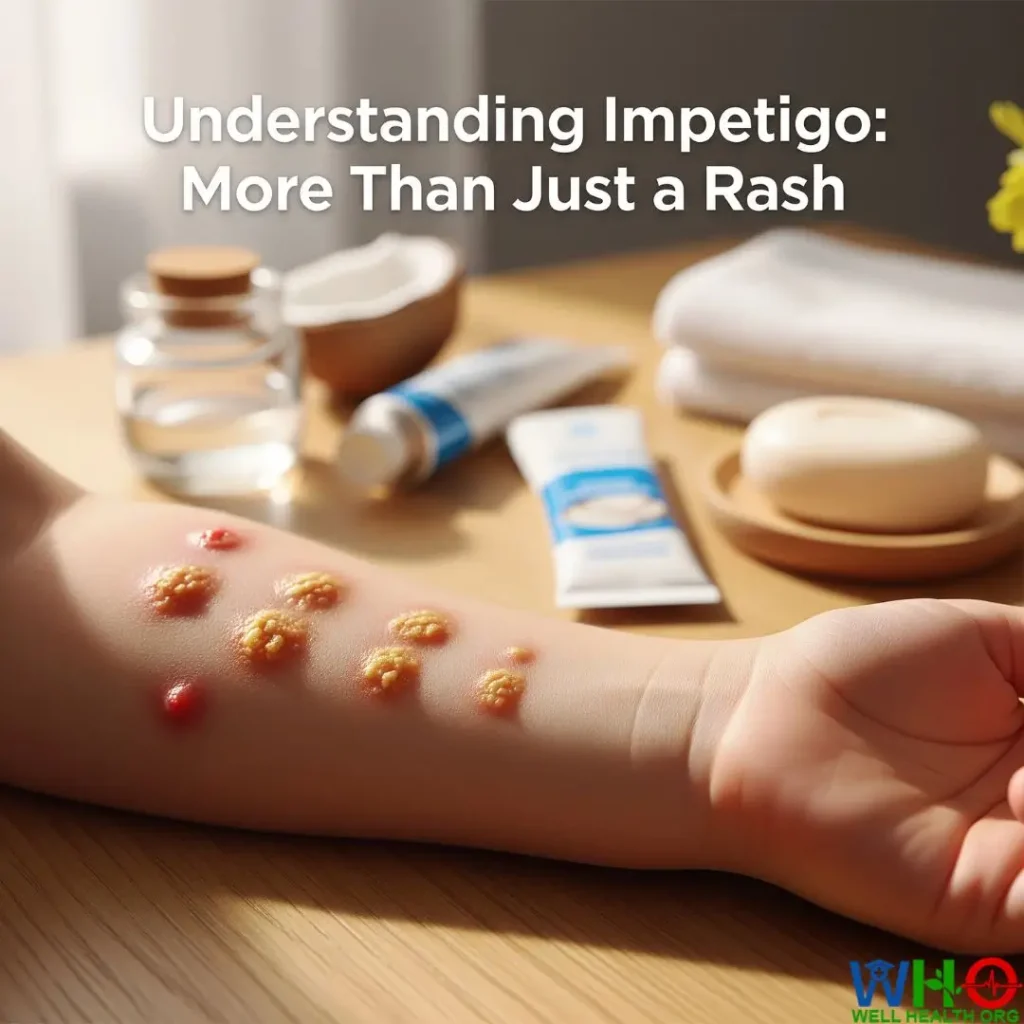
Understanding Impetigo: More Than Just a Rash
To treat impetigo effectively, you have to understand the enemy. It is not a fungus or a virus; it is bacterial. Specifically, it is caused by two notorious culprits: Staphylococcus aureus (Staph) and Streptococcus pyogenes (Strep).
These bacteria are likely living on your skin right now without causing issues. They usually hang out harmlessly on the surface. The trouble begins when there is a breach in the fortress—a cut, a scrape, an insect bite, or even raw skin from a runny nose. The bacteria invade this opening, colonize the tissue, and release toxins that break down the skin structure, leading to the characteristic blistering and crusted sores.
The Two Faces of Impetigo
Knowing which type you are dealing with can help you gauge the severity and the best approach for care.
- Non-Bullous Impetigo: This is the most common form, accounting for roughly 70% of cases. It starts as tiny red blisters that burst quickly, leaving behind wet, red skin that eventually crusts over. The crust is the hallmark sign—it looks like cornflakes or honey stuck to the skin. It is itchy, uncomfortable, but generally not painful.
- Bullous Impetigo: This form is caused exclusively by Staph bacteria that produce a toxin causing larger, fluid-filled blisters (bullae). These blisters are flaccid and clear at first but turn cloudy. Unlike the non-bullous type, these stay intact longer before bursting. This type is more common in babies and typically appears on the trunk of the body rather than the face.
The “Golden Rules” of Hygiene: The First Line of Defense
Before you even open your pantry to look for remedies, you must lock down your hygiene routine. Impetigo is notoriously contagious. It spreads through direct skin-to-skin contact and via “fomites”—inanimate objects like towels, toys, and pillowcases that carry the bacteria.
If you apply the best natural remedies but fail to contain the bacteria, the infection will continue to cycle through your household. Here is your battle plan:
1. The Quarantine Protocol
If you or your child has active, weeping sores, you are contagious. Standard medical advice suggests staying home from school, daycare, or work until 24 hours after starting antibiotic treatment or until the sores have fully crusted over and dried out. During this time, limit close contact with other family members.
2. The Laundry Logic
Bacteria love damp, warm environments. Towels and bed linens are prime real estate for Staph and Strep.
- Daily Changes: Change the infected person’s pillowcase and towel every single day.
- Don’t Share: Color-code towels if you have to. Ensure the infected person has their own designated towel that no one else touches.
- Hot Wash: Wash all linens, clothes, and towels in the hottest water setting your machine allows. The heat is necessary to kill the bacteria. If possible, dry them in a hot dryer rather than air-drying indoors.
3. The “No-Touch” Policy
The fluid inside the blisters is teeming with bacteria. Every time the patient touches a sore and then touches a doorknob, a remote control, or a sibling, the infection spreads.
- Keep it Covered: Use loose gauze or breathable bandages to cover the sores. This prevents scratching and acts as a physical barrier against transmission.
- Trim Fingernails: For children, cut fingernails short. This reduces the damage they can do if they scratch in their sleep and minimizes the amount of bacteria that can get trapped under the nails.
4. Hand Washing 101
This sounds basic, but it is the most critical step. You must wash your hands with warm, soapy water for at least 20 seconds after every interaction with the infected skin. If you are applying ointment or remedies, use a cotton swab or wear disposable gloves so your fingers never directly touch the sore.
Top Natural Remedies to Support Healing
While antibiotics kill the bacteria, natural remedies can play a vital role in soothing inflammation, reducing itching, softening the crusts, and creating an environment where bacteria struggle to survive.
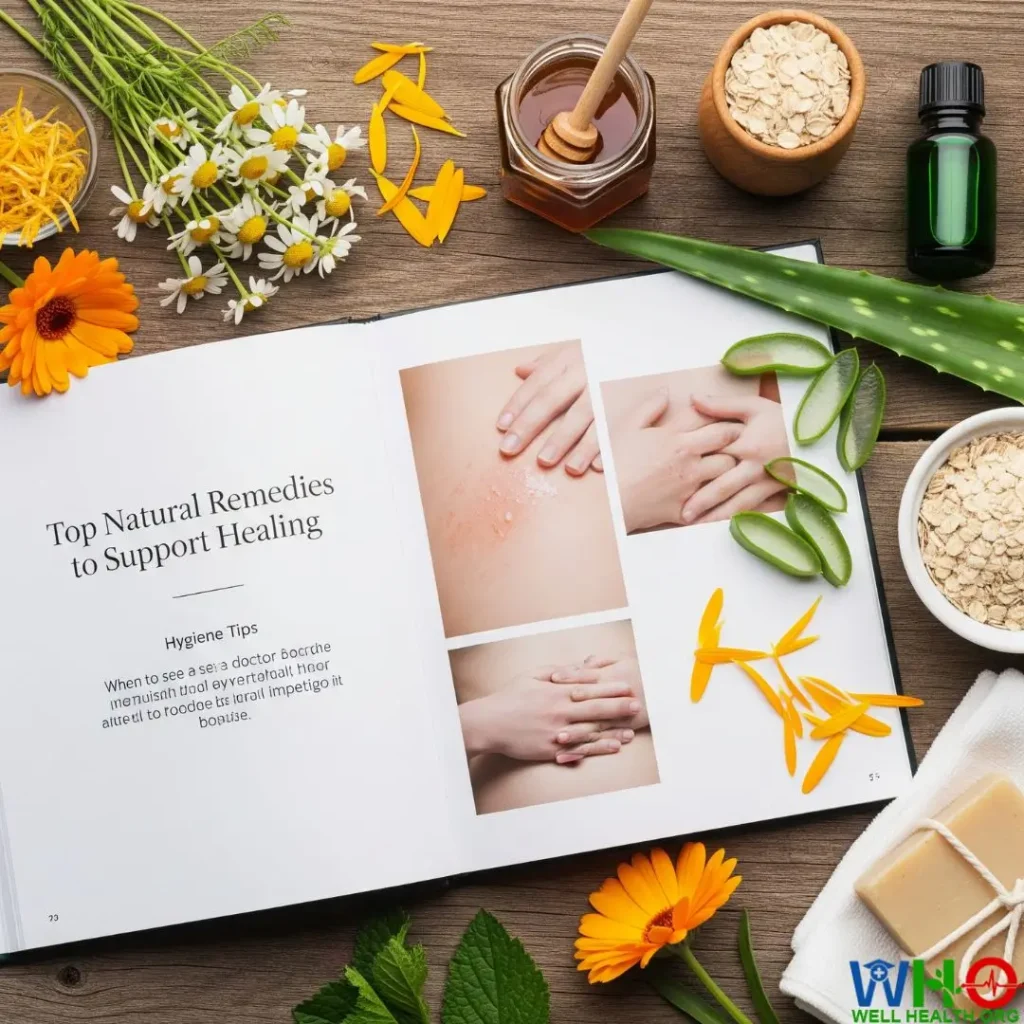
Here are the most effective natural treatments, backed by traditional use and emerging research.
1. Manuka Honey: The Sweet Healer
Honey has been used as a wound dressing for thousands of years, but not all honey is created equal. That bear-shaped bottle in your pantry is likely pasteurized, which destroys many of its healing properties.
Why It Works:
Manuka honey, produced in New Zealand by bees that pollinate the Manuka bush, contains a compound called methylglyoxal (MGO). This gives it potent antibacterial power that remains stable even when exposed to heat or light. Furthermore, the high sugar content of honey draws moisture out of the wound (osmosis), dehydrating the bacteria so they cannot reproduce. It also creates a moist barrier that prevents the bandage from sticking to the scab.
How to Use It:
- Look for Manuka honey with a UMF (Unique Manuka Factor) rating of 10+ or higher.
- Clean the area gently with water.
- Apply a thin layer of honey directly to the sores.
- Cover with a sterile bandage to prevent a sticky mess.
- Leave it on for 20 to 30 minutes, or even overnight, before gently rinsing off with warm water.
2. Tea Tree Oil: Nature’s Antiseptic
Tea tree oil (Melaleuca alternifolia) is widely respected in the dermatology world for its broad-spectrum antimicrobial properties.
Why It Works:
Studies suggest that tea tree oil can breach the cell walls of Staph bacteria, causing them to destabilize and die. It acts as a powerful antiseptic that can help dry out the weeping blisters.
Safety Warning:
Tea tree oil is potent. Never apply it undiluted to the skin, as it can cause a chemical burn, especially on the delicate skin of a child. It is also toxic if swallowed, so be extremely careful using it around the mouth.
How to Use It:
- The Dilution Rule: Mix 3 to 5 drops of high-quality tea tree oil with 1 tablespoon of a carrier oil (like coconut oil, olive oil, or almond oil).
- Apply this mixture to the sores using a clean cotton ball.
- Repeat 2–3 times a day.
- Patch Test: Before applying it to the face, test a tiny amount on the inner arm to check for allergic reactions.
3. Turmeric: The Golden Anti-Inflammatory
Turmeric is a staple in Ayurvedic medicine. Its active compound, curcumin, is a powerhouse for reducing inflammation and fighting microbes.
Why It Works:
Impetigo sores are often angry, red, and swollen. Turmeric helps bring down this inflammation while providing mild antibacterial action against Staphylococcus aureus.
How to Use It:
- The Paste Method: Mix organic turmeric powder with a little water or coconut oil to form a thick paste. Apply this directly to the sores and let it dry for 20 minutes before rinsing.
- Warning: Turmeric stains everything bright yellow—skin, clothes, and towels. Use old linens when trying this remedy.
- Internal Support: You can also boost immunity by drinking “Golden Milk” (warm milk with turmeric and black pepper) to help the body fight the infection from the inside out.
4. Aloe Vera: The Soothing Balm
While Aloe Vera is famous for treating sunburns, it is also excellent for bacterial skin infections.
Why It Works:
Aloe vera contains six antiseptic agents: Lupeol, salicylic acid, urea nitrogen, cinnamonic acid, phenols, and sulfur. These all have inhibitory action on fungi, bacteria, and viruses. Additionally, aloe is intensely hydrating, which helps stop the cracking and bleeding that can occur when impetigo scabs dry out too much.
How to Use It:
- Ideally, use fresh gel straight from the leaf of an Aloe plant.
- If buying store-bought gel, ensure it is 99-100% pure aloe with no added alcohol, dyes, or fragrances (which will sting).
- Apply liberally to the lesions and let it absorb. It does not need to be rinsed off.
5. Garlic: The Pungent Antibiotic
Garlic is one of nature’s oldest antibiotics. It contains allicin, a compound released when garlic is crushed or chopped, which has significant antimicrobial effects.
Why It Works:
Allicin has been shown to inhibit the growth of both Staph and Strep bacteria. However, raw garlic is very strong and can cause contact dermatitis if left on the skin too long.
How to Use It:
- The Infused Oil Method: Instead of placing raw garlic directly on the skin (which burns), crush 2 cloves of garlic and let them sit in 2 tablespoons of olive oil for a few hours. Strain the garlic out and apply the oil to the sores. This provides the benefits with less risk of irritation.
- Dietary: Adding extra garlic to your diet during an infection can also help the immune system.
6. Apple Cider Vinegar (ACV): The pH Balancer
Our skin has a natural acid mantle that protects it from bacteria. When we have an infection, this pH balance can be disrupted.
Why It Works:
Raw, unfiltered Apple Cider Vinegar (with “the Mother”) is acidic and contains acetic acid, which can help eliminate bacteria. It also helps restore the skin’s natural pH, making it harder for pathogens to thrive.
How to Use It:
- Never use undiluted ACV. It will sting intensely.
- Mix 1 tablespoon of ACV into 1 cup of filtered water.
- Use this solution to gently wash the infected area, or apply it as a wet compress for 10-15 minutes.
- Rinse with plain water afterward.
7. Grapefruit Seed Extract (GSE)
This is a lesser-known but potent remedy derived from the seeds and pulp of grapefruit.
Why It Works:
GSE is praised in natural health circles for its antifungal and antibacterial properties. It is often used as a natural preservative because it kills pathogens so effectively.
How to Use It:
- GSE is highly concentrated. Mix 5 drops into 2 tablespoons of water.
- Apply to the affected area with a cotton swab 2-3 times daily.
- Note: Ensure you buy GSE intended for internal/topical use, not the industrial strength version used for cleaning.
Safe Scab Removal: A Crucial Step
One of the trickiest parts of treating impetigo is dealing with the crusts. The bacteria live under the scab. If you just apply honey or antibiotic ointment on top of a hard, dry crust, it may not penetrate deep enough to kill the infection. However, picking the scabs causes bleeding and scarring.
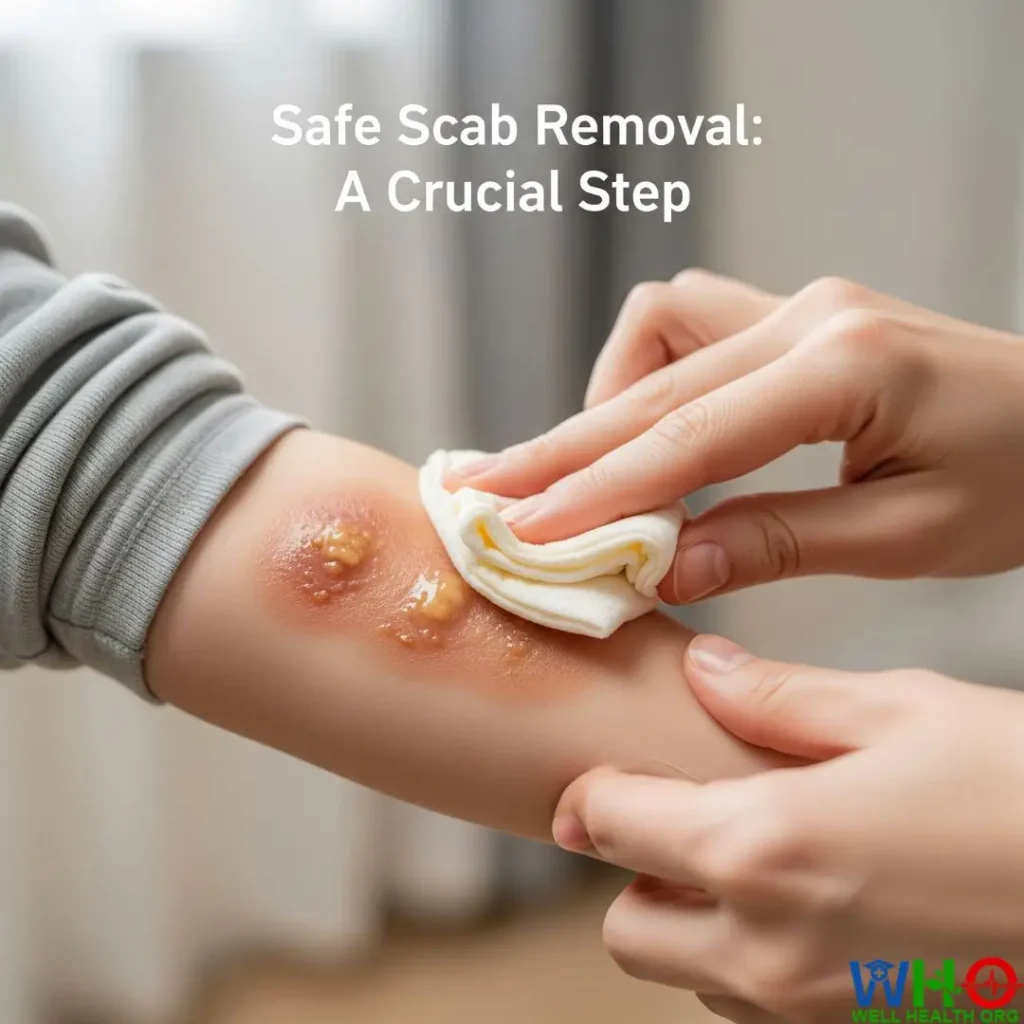
The Soak-and-Swipe Method:
- Prepare a warm compress (a clean washcloth soaked in warm water).
- Hold it gently against the crusted sores for 5–10 minutes. This softens the “honey” crusts.
- Once softened, gently wipe the area with a clean, wet cloth. The crusts should slide off easily. Do not force them.
- Immediately wash your hands and the cloth.
- Apply your natural remedy or prescribed antibiotic immediately to the raw skin.
Soothing the Itch: Comfort Measures
The itch of impetigo can be maddening, especially for children. Scratching is the number one cause of reinfection and scarring. Here is how to stop the itch:

- Oatmeal Baths: Colloidal oatmeal (finely ground oats) is incredibly soothing. If the impetigo is widespread on the body, a lukewarm oatmeal bath can provide relief.
- Cold Compresses: Ice packs or cold wet cloths can numb the area and reduce the urge to scratch.
- Distraction: For toddlers, keep their hands busy with toys or crafts during the day, and use mittens or socks on their hands at night to prevent sleep-scratching.
Diet and Nutrition: Healing from the Inside Out
While treating the skin topically is essential, your immune system needs fuel to fight the bacteria. What you eat matters.

The Sugar Problem
Bacteria feed on sugar. High blood sugar levels can impair the white blood cells’ ability to fight off infection and increase inflammation. During an active infection, cut out soda, candy, processed snacks, and excessive fruit juices.
Immune-Boosting Nutrients
- Zinc: Vital for skin repair and immune function. Found in pumpkin seeds, beef, chickpeas, and cashews.
- Vitamin C: Essential for collagen production and wound healing. Load up on bell peppers, citrus fruits, kiwi, and strawberries.
- Probiotics: If you are taking oral antibiotics, your gut bacteria will take a hit. Supplement with probiotic-rich foods like yogurt, kefir, sauerkraut, or kimchi to maintain a healthy microbiome.
When Natural Isn’t Enough: Medical Intervention
We love natural remedies, but impetigo is tricky. Staph bacteria can be dangerous if they enter the bloodstream. There is a time for honey, and there is a time for modern medicine.
Do not hesitate to see a doctor if:
- The Rule of 3 Days: If you have been diligent with hygiene and home remedies for 3 days and the sores are spreading or getting worse.
- Fever: A fever indicates the infection has become systemic.
- Red Streaks: If you see red lines streaking away from the sores, this is a sign of lymphangitis (blood poisoning) and requires immediate emergency care.
- Heat and Swelling: If the skin around the sores becomes hot, hard, painful, and extremely red, it may have developed into cellulitis, a deeper skin infection.
- Location: If the sores are very close to the eyes.
- Age: If the patient is an infant under 6 months old, do not experiment with home remedies. Their immune systems are not developed enough to handle bacterial infections alone.
Complications to Watch For
Though rare, untreated impetigo can lead to Ecthyma (a deeper, ulcerated form of impetigo that causes scarring) or Post-streptococcal Glomerulonephritis (a kidney condition). This is why monitoring the infection closely is non-negotiable.
Prevention Strategies: Staying Clear in the Future
Once the infection is gone, you want to make sure it never comes back. Some people are carriers of Staph bacteria (often in the nose) and suffer recurrent infections.
- Treat Every Scratch: The moment a child gets a mosquito bite or a scraped knee, wash it, apply antiseptic, and cover it. Don’t give bacteria an entry point.
- Hydrate the Skin: Dry, cracked skin is a welcome mat for bacteria. Use gentle, fragrance-free moisturizers daily to keep the skin barrier intact.
- Nasal Health: Since Staph often lives in the nose, keeping the inside of the nose moist with a little saline spray or petroleum jelly during dry months can prevent the micro-cracks that harbor bacteria.
- Regular Hand Washing: Make it a non-negotiable household rule, especially when coming home from school or public places.
Frequently Asked Questions (FAQ)
Q: Can impetigo go away on its own?
A: Mild cases can resolve on their own within 2 to 3 weeks, but this is risky. During those weeks, the person remains contagious and risks spreading it to others or developing complications. Treatment usually clears it up in 7 to 10 days.
Q: Is chlorine water (swimming pools) good for impetigo?
A: While chlorine kills bacteria, swimming pools are shared spaces. You should never go swimming with active impetigo as you risk infecting others. Furthermore, long exposure to pool water can soften scabs and make them fall off prematurely, delaying healing.
Q: Can I use vinegar undiluted on sores?
A: No. Vinegar is acidic and will cause significant pain and damage to the raw tissue exposed by impetigo. Always dilute it.
Q: Why does my child keep getting impetigo?
A: Recurrent impetigo suggests that a family member might be a “nasal carrier” of the Staph bacteria, reinfecting the child. It could also point to an underlying skin condition like eczema, which compromises the skin barrier. Consult a doctor for a nasal swab test if it keeps happening.
Q: Is the sun good for impetigo sores?
A: Generally, no. While UV light kills some bacteria, heat and sweat can worsen the itching and spread the infection. It is better to keep the sores covered and cool.
The Bottom Line
Impetigo is unsightly and uncomfortable, but it is highly manageable. The secret to success lies in the combination of rigourous hygiene (to stop the spread) and effective topical treatments (to stop the bacteria).
By utilizing natural powerhouses like Manuka honey, tea tree oil, and turmeric, you can soothe the skin and speed up recovery. However, always respect the bacteria. Monitor the symptoms closely, keep the area clean, and do not hesitate to call in professional medical reinforcements if the natural route isn’t winning the battle fast enough. With patience and diligence, your skin will return to its healthy, glowing state.
Medically Reviewed by Prof. Dr. Akram
Orthopedic Surgeon | Professor | Senior Medical Specialist
Prof. Dr. Akram is a distinguished surgeon with over 15 years of clinical expertise. Having served as a lead Emergency Specialist at Complex International Government Hospital, he currently leads a specialized team of 13 medical professionals at his private hospital. As a Professor at top medical universities, he ensures that every article on WellHealthOrg.com meets rigorous clinical standards.
Medical Disclaimer:
The information provided is for educational purposes only and is not a substitute for professional medical advice, diagnosis, or treatment. Always consult your physician for any medical concerns.
Our content is rigorously fact-checked by our 13-member Editorial Team under the clinical supervision of Prof. Dr. Akram.