

INTRODUCTION ANTI FUNGAL
Fungal infections are among the most frustrating, persistent, and universally annoying health issues people face. Whether it is the relentless itch of athlete’s foot, the unsightly scaling of a nail infection, or the red, circular rash of ringworm, these conditions can take a toll on your comfort and your confidence. If you are reading this, chances are you—or someone you care about—are dealing with the irritation, redness, and discomfort that comes with a fungal overgrowth.
- INTRODUCTION ANTI FUNGAL
- Understanding the Enemy: What Are Fungal Infections?
- Common Types of Fungal Intruders
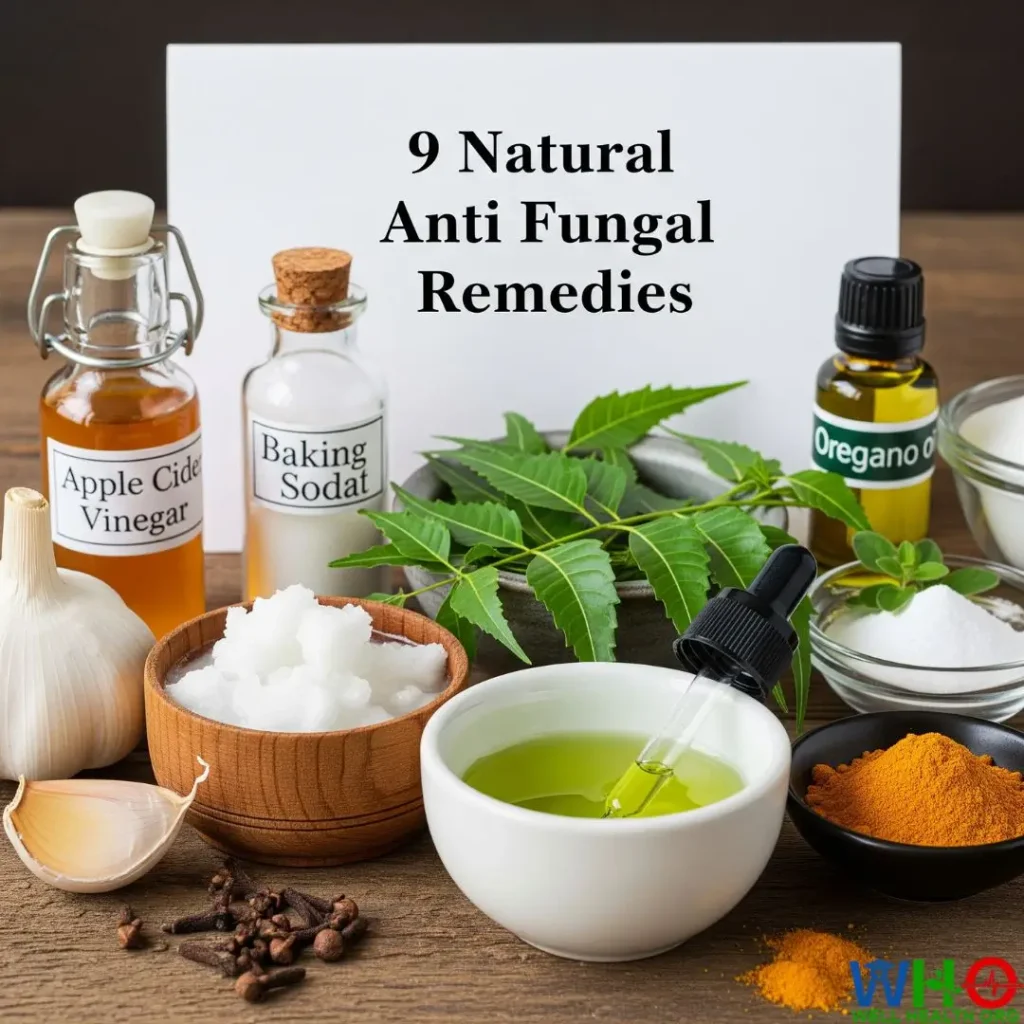
- 9 Natural Anti fungal Remedies
- 1. Tea Tree Oil: Nature’s Antiseptic Powerhouse
- Why It Works
- Step-by-Step Application Guide
- 2. Garlic: The Pungent Protector
- The Science of Allicin
- How to Use It Effectively
- 3. Apple Cider Vinegar (ACV): The pH Reset
- Why “The Mother” Matters
- Methods of Application
- 4. Coconut Oil: The Gentle Moisturizer
- The Chemistry: Fatty Acids
- How to Use It
- 5. Turmeric: The Golden Healer
- Why It Helps
- Application Techniques
- 6. Oregano Oil: The Heavy Artillery
- When to Use It
- Strict Safety Guidelines
- 7. Probiotics and Diet: The Inside-Out Approach
- The Gut-Skin Connection
- How to Repopulate Your Gut
- 8. Lifestyle Hacks: Preventing the Return
- Hygiene Best Practices
- 9. When Natural Remedies Are Not Enough: Knowing When to See a Doctor
- Red Flags
- The Steroid Trap
- Conclusion: Your Path to Resilience
- Frequently Asked Questions (FAQs) About Natural Antifungal Remedies
While these infections are rarely life-threatening, they are notoriously stubborn. You might treat them, think they are gone, and find them flaring up again weeks later. This cycle often leads people to seek alternatives to harsh chemical creams or oral medications, which can sometimes carry unwanted side effects.
Enter the world of natural remedies. Nature has provided a vast pharmacy of botanicals, oils, and kitchen staples that possess potent antifungal properties. For centuries, before modern pharmacology existed, cultures around the world used these ingredients to heal skin and restore balance.
In this comprehensive guide, we are going to move beyond simple advice. We will deep-dive into the science of why these remedies work, how to prepare them correctly for maximum safety and efficacy, and what lifestyle changes you need to make to stop the fungus from coming back. We will explore real-life applications, troubleshooting tips, and the critical “dos and don’ts” of treating fungal infections at home.
Understanding the Enemy: What Are Fungal Infections?
To effectively fight a fungal infection, you first need to understand what is happening biologically. Fungi are everywhere. They are microscopic organisms that exist in the soil, in the air, and yes, on your skin. In fact, your skin hosts a complex ecosystem of bacteria, viruses, and fungi known as the skin microbiome.

Under normal circumstances, these organisms live in harmony. Your immune system and the beneficial bacteria on your skin keep fungal populations in check. However, fungi are opportunists. They thrive in environments that are warm, dark, and moist.
When the conditions are right—perhaps you sat in sweaty gym clothes too long, or your immune system is slightly run down—these microscopic fungi begin to multiply rapidly. They invade the keratin (the protein that makes up your skin, hair, and nails), leading to the inflammatory response you recognize as an infection.
Common Types of Fungal Intruders

- Dermatophytes: These are the most common culprits behind skin, hair, and nail infections. They feed on keratin. Common conditions caused by dermatophytes include:
- Tinea Pedis (Athlete’s Foot): Peeling and itching between the toes.
- Tinea Corporis (Ringworm): Ring-shaped, red rashes on the body.
- Tinea Cruris (Jock Itch): Irritation in the groin area.
- Yeasts (Candida): Candida is naturally present on the body, but overgrowth leads to yeast infections. These thrive in moist skin folds (under breasts, armpits) and mucous membranes.
The remedies below are designed to target these organisms by disrupting their cell walls, altering the pH of your skin to make it uninhabitable for them, or boosting your local immunity.
9 Natural Anti fungal Remedies
1. Tea Tree Oil: Nature’s Antiseptic Powerhouse
If there is one superstar in the world of natural antifungals, it is Tea Tree Oil (Melaleuca alternifolia). Indigenous Australians have used the crushed leaves of the tea tree for centuries to treat wounds and infections. Modern science backs this tradition; the oil contains a compound called terpinen-4-ol, which has been proven to kill fungi and bacteria by destabilizing their cell membranes.
Why It Works
Tea tree oil doesn’t just inhibit growth; it actively kills the fungus. It is lipophilic, meaning it can penetrate the layers of the skin (and to some extent, the nail) to reach the infection where it hides.
Step-by-Step Application Guide
The Safety Rule: Tea tree oil is potent. Applying it “neat” (undiluted) can cause contact dermatitis, a red, itchy rash that mimics the fungal infection itself. Always dilute it.
For Skin Infections (Ringworm, Jock Itch, Athlete’s Foot):
- Carrier Oil Base: Take 1 tablespoon of a carrier oil (coconut oil, jojoba oil, or almond oil).
- The Mix: Add 3 to 5 drops of high-quality, 100% pure tea tree oil.
- Application: Dip a sterile cotton ball into the mixture and dab it gently onto the rash.
- Frequency: Repeat this process twice daily—once in the morning and once before bed.
For Nail Fungus (Onychomycosis): Nails are harder to penetrate. While you should still exercise caution, many users apply a slightly stronger concentration to the nail plate.
- Mix tea tree oil with olive oil in a 50/50 ratio.
- Use a clean Q-tip to paint the oil onto the nail and the cuticle.
- Let it soak in for at least 15 minutes before putting on socks. Use an old toothbrush to gently scrub the nail surface beforehand to help absorption.
Real-Life Scenario: Imagine you are a runner dealing with recurring Athlete’s Foot. You apply antifungal cream, it goes away, but returns a month later. By incorporating a Tea Tree Oil foot soak into your weekly routine (10 drops of oil in a basin of warm water) even after the infection clears, you create an environment where the fungus cannot re-establish itself.
2. Garlic: The Pungent Protector
Garlic (Allium sativum) is a kitchen staple with a medicinal history dating back to ancient Egypt. While famous for warding off “vampires” in folklore, in reality, it wards off microbes. The magic ingredient in garlic is allicin.
The Science of Allicin
Allicin is not present in whole garlic cloves. It is only created when the clove is crushed or chopped, triggering an enzymatic reaction. Allicin contains sulfur, which interferes with the enzymes that fungi need to survive and reproduce. It is particularly effective against Candida strains.
How to Use It Effectively
Topical Garlic Paste:
- Preparation: Crush two fresh cloves of garlic. Let them sit for 5 to 10 minutes. This “resting” period allows the allicin to fully develop.
- The Carrier: Mix the crushed garlic with a tablespoon of olive oil. Do not apply raw crushed garlic directly to the skin without oil, as it can cause chemical burns.
- Application: Apply the paste to the affected area. Cover with a gauze bandage or a piece of cheesecloth.
- Time Limit: Leave it on for no more than 30 minutes. If you feel intense burning, remove it immediately.
- Rinse: Wash the area thoroughly with cool water and pat dry.
Dietary Approach: Treating fungus often requires an internal approach as well. Adding raw or lightly cooked garlic to your diet can help manage systemic yeast overgrowth. Try chopping a clove of garlic and swallowing it like a pill with water, or mixing it into guacamole or hummus.
Warning: Garlic burns are real. If you have sensitive skin or are treating a child, skip the topical garlic and opt for gentler remedies like coconut oil or diluted ACV.
3. Apple Cider Vinegar (ACV): The pH Reset
Fungi love a neutral to slightly alkaline environment. Healthy skin has an “acid mantle,” a slightly acidic film that protects against pathogens. When this barrier is compromised, fungi move in. Apple Cider Vinegar is rich in acetic acid, which helps restore the skin’s natural acidity, making the terrain hostile for fungal growth.
Why “The Mother” Matters
When buying ACV, always look for the cloudy sediment at the bottom of the bottle, known as “The Mother.” This contains beneficial enzymes, proteins, and bacteria that add to the therapeutic effect.
Methods of Application
The Soaking Method (Best for Feet): If you have athlete’s foot or toenail fungus, a soak is the most comprehensive treatment.
- Fill a basin with warm (not hot) water.
- Add 1 cup of Apple Cider Vinegar.
- Soak your feet for 15 to 20 minutes. The acid helps soften the thickened skin and kill surface fungus.
- Crucial Step: Dry your feet thoroughly afterward, especially between the toes. Fungi love dampness, so skipping this step undoes the good work.
The Compress Method (For Body Rashes):
- Mix equal parts ACV and water (1:1 ratio).
- Soak a clean washcloth or cotton pad in the solution.
- Press it against the itchy rash for 10 to 15 minutes.
- Allow it to air dry or pat dry.
User Experience Tip: If the smell of vinegar bothers you, add a few drops of lavender essential oil to the mixture. Not only does it mask the scent, but lavender also possesses mild antifungal properties.
4. Coconut Oil: The Gentle Moisturizer
Many antifungal treatments are drying. Alcohol-based sprays or harsh acids can leave skin cracked and peeling, which actually creates more entry points for fungus. Coconut oil is unique because it fights the infection while simultaneously repairing the skin barrier.
The Chemistry: Fatty Acids
Coconut oil is composed of medium-chain fatty acids (MCFAs). Almost 50% of the fatty acid content in coconut oil is lauric acid. When applied to the skin, lauric acid converts to monolaurin, a compound that effectively dissolves the fatty outer coating of many fungi and bacteria. Caprylic acid, another component of coconut oil, is also a well-documented antifungal.
How to Use It
Daily Maintenance: Coconut oil is safe enough to use as a daily body lotion.
- Buy Virgin, Cold-Pressed, Organic coconut oil. Refined oils often lose their therapeutic properties during processing.
- Take a small amount (it melts at body temperature) and massage it into the affected area.
- Repeat 2–3 times a day.
The “Scalp Mask” (For Dandruff/Scalp Fungus): Fungal overgrowth on the scalp often causes dandruff (seborrheic dermatitis).
- Melt 2 tablespoons of coconut oil.
- Massage it deep into the scalp (not just the hair).
- Wrap your head in a towel and leave it for an hour, or overnight.
- Wash out with a gentle shampoo. This suffocates the fungus and moisturizes the flaking scalp.
Pro Tip: Coconut oil is excellent for treating fungal infections in sensitive areas, such as the groin (jock itch) or for diaper rash in babies (caused by yeast), because it does not sting.
5. Turmeric: The Golden Healer
Turmeric (Curcuma longa) is the bright yellow spice that gives curry its color, but in Ayurvedic and Traditional Chinese Medicine, it is a primary treatment for skin disorders. The active compound, curcumin, is a potent anti-inflammatory and antimicrobial agent.
Why It Helps
Fungal infections often come with significant inflammation—redness, swelling, and heat. Turmeric tackles the fungus and calms the angry skin response, reducing the itch-scratch cycle that often leads to secondary bacterial infections.
Application Techniques
The Turmeric Paste:
- Mix 1 teaspoon of organic turmeric powder with a small amount of water or coconut oil to form a thick paste.
- Apply the paste directly to the rash or infected nail.
- Let it dry on the skin for 20 minutes.
- Rinse with warm water.
The “Golden Milk” (Internal Support): Drinking turmeric helps lower systemic inflammation, aiding your immune system.
- Whisk 1 teaspoon of turmeric powder into a cup of warm milk (dairy or almond).
- Add a pinch of black pepper. Note: Black pepper contains piperine, which increases the absorption of curcumin by up to 2000%. Without pepper, your body struggles to utilize the turmeric.
Warning: Turmeric is a powerful dye. It will stain your skin yellow for a day or two, and it will permanently stain clothes and towels. Use old linens when applying this remedy.
6. Oregano Oil: The Heavy Artillery
If tea tree oil is a soldier, oregano oil is the special forces. Extracted from wild oregano (Origanum vulgare), this oil is extremely concentrated. Its active components, carvacrol and thymol, serve as natural fungicides that can inhibit widely prevalent fungal strains.
When to Use It
Oregano oil is best reserved for stubborn infections, such as persistent toenail fungus or ringworm that isn’t responding to milder treatments.
Strict Safety Guidelines
Never apply undiluted Oregano Oil. It is “hot” oil and can cause severe blistering if used incorrectly.
The Mixture:
- Combine 1 or 2 drops (maximum) of Oregano Essential Oil with 1 tablespoon of carrier oil (olive or almond).
- Perform a patch test: Apply a tiny amount to the inside of your elbow and wait 24 hours to check for a reaction.
- If safe, apply to the fungus with a cotton swab.
Supplements: You can also find oregano oil capsules for internal use. This can be effective for systemic yeast overgrowth, but it should be done under the guidance of a professional, as high doses can upset the stomach and interact with blood-thinning medications.
7. Probiotics and Diet: The Inside-Out Approach
You cannot scrub away a fungal problem if your internal environment is feeding it. Chronic fungal infections, particularly Candida, often signal a disruption in your gut microbiome.
The Gut-Skin Connection
Your body is populated by “good” bacteria (probiotics) and “bad” pathogens. When you take antibiotics, eat a high-sugar diet, or experience high stress, the good bacteria die off. This leaves room for opportunistic fungi to take over. Restoring this balance is critical for long-term healing.
How to Repopulate Your Gut
- Fermented Foods: Introduce foods rich in live cultures into your daily diet.
- Yogurt: Look for “live active cultures” and avoid brands loaded with sugar.
- Kefir: A fermented milk drink with a higher probiotic count than yogurt.
- Sauerkraut & Kimchi: Fermented cabbage dishes that are excellent for gut health.
- Miso: Fermented soybean paste used in soups.
- The Anti-Fungal Diet: Fungi feed on sugar. To starve the infection, you must limit its food source.
- Reduce Refined Sugars: Cut back on candy, soda, and baked goods.
- Limit Simple Carbs: White bread and white pasta break down into sugar quickly.
- Avoid Alcohol: Alcohol is fermented and high in sugar, a double whammy for fungal growth.
8. Lifestyle Hacks: Preventing the Return
You have treated the infection, and the rash is gone. How do you ensure it stays gone? Prevention requires a strategy to eliminate the “warm, moist” environments fungi love.
Hygiene Best Practices
- The “Dry Toe” Technique: After showering, take an extra minute to dry between each toe with a towel. If you are prone to athlete’s foot, use a hair dryer on the “cool” setting to ensure complete dryness before putting on socks.
- Fabric Choices: Synthetic fabrics (polyester, nylon) trap sweat against the skin. Switch to moisture-wicking socks (wool or bamboo blends) and 100% cotton underwear.
- Laundry Protocol: Fungi can survive in laundry. Wash your socks, towels, and gym clothes in hot water (at least 60°C/140°F). If you can’t use hot water, add a cup of vinegar to the rinse cycle as a disinfectant.
- Shoe Rotation: Never wear the same pair of shoes two days in a row. Shoes need at least 24 hours to dry out completely from the previous day’s sweat.
- Shower Shoes: This is non-negotiable. If you are at a public pool, gym locker room, or hotel shower, wear flip-flops. These floors are breeding grounds for athlete’s foot and plantar warts.
9. When Natural Remedies Are Not Enough: Knowing When to See a Doctor
While natural remedies are effective for mild to moderate infections, there is a time and place for modern medicine. Delaying treatment for a severe infection can lead to complications, such as cellulitis (a bacterial skin infection).
Red Flags
Seek professional medical help if:
- Diabetes: If you are diabetic, any foot issue is a medical emergency due to poor circulation and healing. Do not treat foot fungus at home without doctor approval.
- Spreading: The rash is growing rapidly despite home treatment.
- Signs of Bacterial Infection: You see pus, red streaks radiating from the area, or the area feels hot to the touch.
- Scalp Hair Loss: Scalp ringworm often requires oral medication to prevent permanent hair loss.
- Nail Bed Involvement: If the fungus has destroyed the nail matrix (the root), topical oils may not penetrate deep enough.
- Systemic Symptoms: You have a fever, chills, or extreme fatigue along with the rash.
The Steroid Trap
A common mistake people make is applying an over-the-counter anti-itch cream (hydrocortisone) to a fungal rash. While this stops the itching temporarily, steroids actually lower local immunity, allowing the fungus to grow faster and stronger. This creates a condition called Tinea Incognito, where the fungus looks different and is harder to diagnose. Always confirm it is not fungus before using steroids.
Conclusion: Your Path to Resilience
Dealing with a fungal infection is a marathon, not a sprint. Fungi are resilient organisms that have survived for millions of years; they don’t give up easily. However, with consistency and the right natural tools, you can win the battle.
The key to success with natural remedies is patience and persistence. Unlike strong pharmaceutical creams that might show results in days, natural oils and dietary changes work with your body’s rhythms. It might take a few weeks of daily tea tree oil application or a month of soaking your feet in vinegar to see total clearance. Do not get discouraged.
Start by choosing one or two remedies from this list that fit your lifestyle. Maybe it’s the simplicity of coconut oil or the potency of garlic. Combine that topical treatment with a reduction in dietary sugar and better hygiene habits. By attacking the problem from the outside (skin) and the inside (gut), you aren’t just treating a rash—you are building a body that is resilient, healthy, and inhospitable to infection.
Take charge of your skin health today. Nature has provided the tools; now it is up to you to use them.
Frequently Asked Questions (FAQs) About Natural Antifungal Remedies
To complete your guide, here are answers to common questions about using natural remedies to treat fungal infections:
Q1: How long before I see results with natural remedies?
A: Natural remedies work gradually, supporting your body’s defenses and slowly targeting fungal cells.
- Mild skin infections (e.g., ringworm, jock itch): Improvement in redness and itching usually appears within 1–2 weeks. Full recovery may take 3–4 weeks.
- Athlete’s foot: This typically clears in 4–6 weeks due to moisture issues in the feet.
- Nail fungus: Nail infections take the longest to heal since fungi live beneath the nail bed. Daily application is required for 3–12 months until a new, healthy nail grows.
Continue treatment for at least two weeks after symptoms disappear to ensure all fungal spores are eliminated and prevent recurrence.
Q2: Can I combine multiple natural remedies?
A: Yes, combining remedies can enhance results by targeting the fungus in different ways.
- Topical combinations: Mix a few drops of tea tree or oregano oil with coconut oil for a moisturizing, antifungal application.
- Internal and external support: Pair topical treatments with probiotics or dietary adjustments to manage systemic fungal overgrowth.
- Foot soak routine: Use a diluted apple cider vinegar (ACV) foot soak, then apply coconut oil to dry skin for maximum effect.
⚠️ Caution: Avoid combining two highly concentrated essential oils directly—always dilute in a carrier oil first.
Q3: Are these remedies safe for sensitive areas?
A: Skin folds, such as the groin or under the breasts, are more delicate.
- Safe options: Coconut oil is gentle and soothing for jock itch or yeast infections.
- Use with care: Dilute tea tree oil or ACV heavily before applying.
- Avoid: Raw garlic paste and concentrated oregano oil, as they can cause burns or severe irritation.
Q4: Which remedy provides fast relief from intense itching?
A: Itching and inflammation are often the most uncomfortable symptoms.
- Apple cider vinegar: A cool, diluted ACV soak or compress can temporarily numb nerve endings and reduce itching.
- Turmeric paste: Contains anti-inflammatory properties to calm redness and irritation.
- Coconut oil: Moisturizes dry, cracked skin and helps reduce the urge to scratch.
Q5: Can children use these natural remedies?
A: Yes, but only with extreme caution and proper dilution. Always consult a pediatrician first.
- Dilution is key: Children’s skin is more sensitive, so essential oils must be very diluted (e.g., 1 drop per 2 tablespoons of carrier oil).
- Best options: Coconut oil is ideal for diaper rash and mild fungal patches.
- Avoid: Highly concentrated remedies like oregano oil and garlic paste.
Q6: How can I prevent reinfection at home?
A: Fungal spores can linger on surfaces and clothing, causing recurrence.
- Laundry: Wash affected clothing, bedding, and towels in hot water with detergent. Add vinegar or borax for extra disinfecting.
- Shower hygiene: Clean showers, mats, and curtains with diluted bleach or vinegar solutions.
- Shoes: Sprinkle antifungal powder or a mixture of baking soda and tea tree oil inside shoes and let them dry completely. Consider discarding old shoes worn during severe infections.
Q7: Does baking soda help fight fungal infections?
A: Yes, baking soda can be a helpful complementary remedy.
- How it works: Baking soda is alkaline and can disrupt the acidic environment fungi need to thrive.
- Application: Make a paste with water, apply for 10–15 minutes, then rinse and pat dry. It’s also great for reducing moisture and odors in shoes and socks.
Medically Reviewed by Prof. Dr. Akram
Orthopedic Surgeon | Professor | Senior Medical Specialist
Prof. Dr. Akram is a distinguished surgeon with over 15 years of clinical expertise. Having served as a lead Emergency Specialist at Complex International Government Hospital, he currently leads a specialized team of 13 medical professionals at his private hospital. As a Professor at top medical universities, he ensures that every article on WellHealthOrg.com meets rigorous clinical standards.
Medical Disclaimer:
The information provided is for educational purposes only and is not a substitute for professional medical advice, diagnosis, or treatment. Always consult your physician for any medical concerns.
Our content is rigorously fact-checked by our 13-member Editorial Team under the clinical supervision of Prof. Dr. Akram.







