When the first signs of COVID-19 appear—fatigue, sore throat, fever, or a mild cough—it’s natural to look for ways to ease your discomfort while your body fights off the virus. Although there’s no home cure for COVID-19, many natural remedies and supportive care practices can help reduce symptoms and promote faster recovery.
- The Importance of Rest and Hydration
- The Soothing Power of Warm Liquids
- Over-the-Counter Medications for Added Comfort
- Natural Remedies for Cough Relief
- Nourishing Your Immune System with the Right Nutrition
- When to Seek Professional Medical Care
- What to Avoid When Treating COVID-19 at Home
- Monitoring Your Recovery Progress
- Creating a Recovery-Friendly Environment
- Supporting Your Body After Acute Recovery
- Holistic and Natural Practices for Enhanced Healing
- 1. Deep Breathing Exercises
- 2. Gentle Yoga or Stretching
- 3. Aromatherapy
- 4. Warm Salt Gargles
- 5. Herbal Supplements (With Caution)
- Rebuilding Strength and Immunity Post-COVID
- Moving Forward with Awareness and Confidence
- Conclusion
- FAQs
This in-depth guide explores evidence-based home remedies and practical tips for managing mild COVID-19 symptoms safely and effectively. You’ll also learn how to support your immune system, monitor your progress, and know when it’s time to seek medical care.
Important Note: Home remedies are designed to alleviate symptoms, not cure the infection. Always consult a healthcare professional if your symptoms worsen or if you belong to a high-risk group such as older adults, pregnant women, or individuals with chronic health conditions.
The Importance of Rest and Hydration
One of the most overlooked yet powerful remedies during illness is rest. When you’re sick, your immune system works overtime to combat the virus, and quality sleep helps it function at its best. During rest, the body produces cytokines—special proteins that target infection and inflammation.
Aim for at least 7–9 hours of sleep each night. If you feel drained during the day, don’t resist the urge to nap; it’s your body’s way of signaling that it needs more recovery time. Try to keep your sleep environment cool, dark, and quiet, and avoid using electronic devices right before bed, as the blue light can interfere with melatonin production.
Hydration is equally vital. Fever, a hallmark symptom of COVID-19, can cause increased sweating and fluid loss. Dehydration not only worsens fatigue and headache but can also affect the body’s ability to regulate temperature and flush out toxins.
Here are some helpful hydration tips:
- Drink 8–10 glasses of water daily, or more if you have a fever.
- Sip clear broths, herbal teas, or electrolyte drinks to replace lost minerals.
- Avoid excessive caffeine and alcohol, as both can lead to dehydration.
Adding slices of cucumber, mint, or lemon to water can make hydration more enjoyable. Remember: clear, pale-yellow urine is a good indicator that you’re drinking enough fluids.
The Soothing Power of Warm Liquids
There’s something deeply comforting about a warm cup of tea or a steaming bowl of soup when you’re unwell—and it’s not just psychological. Warm liquids provide tangible physiological benefits for common COVID-19 symptoms like sore throat, nasal congestion, and chills.
Honey and herbal teas are among the most effective natural soothers. Honey has antimicrobial and anti-inflammatory properties, and it can calm throat irritation while reducing coughing. Try chamomile, ginger, or peppermint tea:
- Chamomile promotes relaxation and better sleep.
- Ginger helps reduce inflammation and nausea.
- Peppermint clears nasal passages and eases breathing.
Chicken soup or bone broth also offers more than comfort—it’s packed with nutrients that support recovery. These broths contain amino acids, minerals, and collagen, which aid tissue repair and immune function. The warm steam helps loosen mucus, making it easier to breathe.
For an added health boost, season your soup with garlic and turmeric:
- Garlic contains allicin, a compound shown to enhance immune cell activity.
- Turmeric provides curcumin, a natural anti-inflammatory agent that may help ease muscle aches and respiratory irritation.
Warm liquids hydrate, soothe, and nourish simultaneously—a perfect trifecta for symptom relief.
Over-the-Counter Medications for Added Comfort
While natural remedies can do a lot, there are times when over-the-counter (OTC) medications provide necessary support. When fever, headaches, or body aches become hard to manage, safe use of medications like acetaminophen (Tylenol) or ibuprofen (Advil, Motrin) can help.
Choosing between the two:
- Acetaminophen is gentle on the stomach and suitable for most people.
- Ibuprofen not only reduces fever but also targets inflammation, making it ideal for muscle and joint pain.
Follow the dosage guidelines on the packaging, and never exceed the recommended limits. Avoid combining both medications unless your healthcare provider specifically instructs you to do so.
If you have pre-existing conditions—such as liver disease, kidney issues, or are taking other prescriptions—check with a pharmacist or doctor before using OTC medications. Responsible use ensures symptom relief without compromising overall health.
Natural Remedies for Cough Relief
A dry or persistent cough is among the most lingering COVID-19 symptoms. Fortunately, several natural remedies can ease coughing and promote respiratory comfort without relying on chemical suppressants.
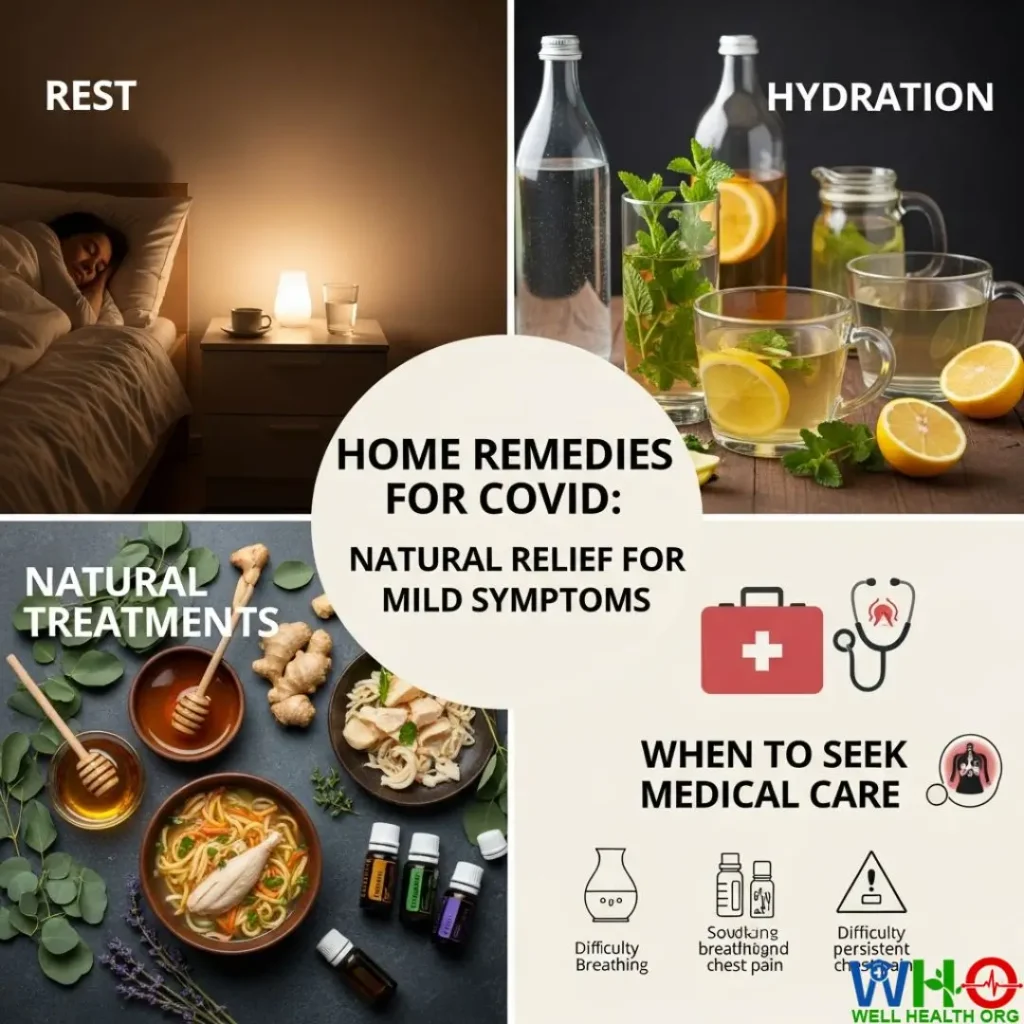
Honey tops the list once again. Studies have found that a spoonful of raw honey can be as effective as commercial cough syrups in reducing nighttime coughing. Take one to two teaspoons before bed or mix it into warm water or tea with lemon for added vitamin C.
Ginger is another powerful cough reliever. It works by relaxing airway muscles and reducing inflammation. You can make a soothing ginger infusion by boiling fresh slices of ginger root for 10–15 minutes. Add honey and a dash of lemon juice for an extra immune boost.
For congestion, steam inhalation offers quick relief:
- Fill a bowl with hot water.
- Add a few drops of eucalyptus or peppermint essential oil (optional).
- Drape a towel over your head and inhale the steam for 5–10 minutes.
This helps open nasal passages, thin mucus, and improve breathing. Always use caution with steam to avoid burns.
Nourishing Your Immune System with the Right Nutrition
Your immune system depends heavily on nutrition to function optimally. During illness, your appetite might decrease, but your body still needs essential vitamins, minerals, and antioxidants to repair tissues and fight infection.
Focus on foods rich in:
- Vitamin C: Found in oranges, lemons, and kiwis; boosts white blood cell function.
- Vitamin D: Supports immune regulation; get it from sunlight, fortified milk, or supplements if prescribed.
- Zinc: Helps immune cells work efficiently; found in nuts, seeds, and legumes.
- Probiotics: Yogurt, kefir, and fermented foods help maintain gut health, which plays a major role in immunity.
Brightly colored vegetables like bell peppers, tomatoes, and carrots are packed with antioxidants that reduce inflammation and promote faster healing.
If eating solid food feels difficult, smoothies are a great alternative. Blend fruits, leafy greens, yogurt, and a scoop of protein powder for a nutrient-dense drink. Eat small, frequent meals instead of large ones to avoid overexertion.
Recent studies suggest that multi-nutrient support—including vitamin C, D, zinc, and probiotics—may help reduce symptom duration and severity. However, avoid self-medicating with high doses of supplements without professional advice, as excessive intake can be harmful.
When to Seek Professional Medical Care
Even if most symptoms can be managed at home, it’s critical to recognize when to call for medical help. COVID-19 can escalate quickly in some individuals, and early intervention can save lives.
Seek immediate medical attention if you experience:
- Trouble breathing or persistent shortness of breath
- Chest pain or pressure that doesn’t subside
- Confusion, dizziness, or inability to stay awake
- Bluish lips or face
- Inability to keep fluids down
Those with chronic illnesses, older adults, and pregnant women should maintain regular contact with their doctor during recovery. Don’t wait for symptoms to worsen—proactive care can make a huge difference.
What to Avoid When Treating COVID-19 at Home
The internet is overflowing with misinformation about “miracle cures” for COVID-19, many of which can be dangerous. When treating yourself at home, avoid the following pitfalls:
- Taking unverified herbal remedies or supplements without medical guidance
- Consuming excessive doses of vitamins or minerals
- Using medications not approved for COVID-19 treatment
- Believing claims of “instant cures” or “detox solutions” sold online
- Ignoring worsening symptoms in the hope they’ll disappear
Always rely on credible health sources such as the CDC, WHO, or your local healthcare provider for accurate and safe information.
Monitoring Your Recovery Progress
Tracking your symptoms daily is an excellent way to understand how your body is responding to both rest and treatment. A simple symptom diary or health-tracking app can help you spot trends, identify improvement, or recognize early warning signs of worsening illness.
Record key information such as:
- Temperature: Measure it at least twice a day, morning and evening. A sustained fever over 101°F (38.3°C) for more than a few days warrants medical attention.
- Oxygen Saturation: If you have a pulse oximeter, check your blood oxygen levels daily. Readings below 95% should be discussed with your healthcare provider immediately.
- Energy Levels: Rate your daily fatigue on a scale of 1–10.
- Breathing Patterns: Note any shortness of breath, chest tightness, or wheezing.
- Appetite and hydration levels: Record how much you’re eating and drinking to ensure proper nourishment.
This consistent tracking creates a clearer picture of your recovery. If you notice any decline or new symptoms, having detailed notes will help doctors make informed treatment decisions more quickly.
Also, don’t underestimate the emotional side of recovery. Feeling frustrated or anxious during illness is normal, but maintaining a positive mindset plays a big role in healing. Celebrate small wins—like getting out of bed with more energy or regaining your sense of taste.
Creating a Recovery-Friendly Environment
Your surroundings can dramatically influence your comfort and recovery speed. Creating a clean, calm, and well-organized space allows your body and mind to focus on healing.
Here’s how to set up your ideal recovery zone:
- Keep your room well-ventilated: Open windows for fresh air, but avoid drafts if you’re feeling chilled.
- Use a humidifier: Moist air eases congestion, reduces throat dryness, and soothes irritated airways.
- Adjust temperature: Keep your environment warm but not overheated; between 68–72°F (20–22°C) is ideal.
- Stay stocked: Keep tissues, water, hand sanitizer, and a small trash bin within reach.
- Minimize stress: Have a few relaxing activities handy—watching shows, listening to podcasts, or reading can help distract from discomfort.
If you live with others, isolate yourself in a separate room and, if possible, use a dedicated bathroom. Always wear a mask when around others and disinfect frequently touched surfaces like doorknobs, remotes, and phones.
By keeping your space tidy and peaceful, you make recovery both physically and mentally easier.
Supporting Your Body After Acute Recovery
Recovering from COVID-19 doesn’t always end when your fever subsides. Many people report lingering effects such as fatigue, loss of taste or smell, and mild shortness of breath for weeks afterward. This period—often referred to as post-viral recovery—requires patience and continued self-care.
Here’s how to support your body during this stage:
- Gradually Resume Activity
Don’t rush back to your usual routine. Start with light movements like stretching or short walks. Gradually increase duration and intensity as your stamina improves. Listen to your body; if you feel exhausted, rest. - Continue Eating Nutrient-Dense Foods
Stick with a balanced diet rich in fruits, vegetables, lean proteins, and whole grains. Your body still needs plenty of vitamins and minerals to repair tissues and restore energy. - Stay Hydrated and Rested
Even if you feel better, dehydration or sleep deprivation can trigger fatigue and slow down recovery. Continue prioritizing water, herbal teas, and proper sleep routines. - Monitor Lingering Symptoms
Persistent cough, brain fog, or loss of smell should gradually improve over time. However, if these issues persist beyond a few weeks or interfere with your daily life, consult your healthcare provider. You may be experiencing long COVID symptoms that require professional evaluation. - Focus on Mental Health
Isolation, uncertainty, and physical exhaustion can take a toll on your mood. Engage in uplifting conversations, watch feel-good content, or practice meditation to calm your mind. Talking with a therapist can also be highly beneficial if you’re feeling emotionally drained.
Remember, recovery isn’t linear—some days will feel better than others. Be gentle with yourself and allow your body the time it needs to rebuild strength.
Holistic and Natural Practices for Enhanced Healing
Beyond traditional remedies, integrating gentle holistic practices can promote overall wellness and accelerate healing. These methods focus on balancing your mind, body, and immune system naturally.
1. Deep Breathing Exercises
COVID-19 often impacts the respiratory system, making deep breathing essential. Practice diaphragmatic breathing to expand your lungs and improve oxygen flow:
- Sit or lie comfortably.
- Inhale deeply through your nose for four seconds.
- Hold your breath for two seconds.
- Exhale slowly through your mouth for six seconds.
Repeat several times a day to strengthen lung function and reduce anxiety.
2. Gentle Yoga or Stretching
Light yoga poses like child’s pose, cat-cow stretch, or legs-up-the-wall can relieve body stiffness and enhance circulation. Yoga also reduces stress hormones, which supports immune function.
3. Aromatherapy
Essential oils such as lavender, eucalyptus, and tea tree oil can improve mood, ease breathing, and provide a sense of calm. Add a few drops to a diffuser or mix with carrier oil for gentle inhalation.
4. Warm Salt Gargles
Gargling with warm salt water 2–3 times daily helps relieve sore throats and kill germs in the mouth and throat. Mix half a teaspoon of salt in a glass of warm water and gargle for 20–30 seconds before spitting it out.
5. Herbal Supplements (With Caution)
Some herbs like echinacea, elderberry, and ashwagandha may support immune function. However, always consult your doctor before starting any supplement, as herbs can interact with medications.
By combining these natural therapies with rest, hydration, and nutrition, you create a powerful, well-rounded recovery plan.
Rebuilding Strength and Immunity Post-COVID
Once the acute symptoms are gone, your focus should shift toward regaining strength and long-term immunity. COVID-19 can leave your body feeling depleted, so rebuilding your physical resilience is essential.
Here are a few practical strategies:
- Start with light exercise: Begin with short walks and slowly build up to regular workouts. Physical activity improves lung capacity and boosts endorphins, helping you feel energized again.
- Eat for energy: Prioritize foods high in iron, omega-3 fatty acids, and complex carbohydrates—like salmon, lentils, and oatmeal—to rebuild stamina.
- Get sunlight exposure: Just 10–15 minutes of sunlight can boost vitamin D levels, improve mood, and strengthen immune defenses.
- Stay socially connected: Loneliness can hinder emotional and physical recovery. Use virtual calls or safe in-person interactions to stay connected.
Consistency is key. Think of recovery as retraining your body—it takes steady, gradual effort, not forceful pushes.
Moving Forward with Awareness and Confidence
Managing mild COVID-19 symptoms at home is absolutely possible when done responsibly. The combination of rest, hydration, balanced nutrition, and evidence-backed home remedies forms a solid foundation for effective self-care.
However, staying informed is equally important. Continue following updates from reputable health organizations and always consult your healthcare provider before starting any new treatment, supplement, or therapy.
Remember: healing isn’t just about getting rid of symptoms—it’s about restoring balance and strength in your body and mind. Be patient, nurture yourself, and take comfort in knowing that every day of self-care brings you closer to full recovery.
Conclusion
Recovering from COVID-19 at home can feel overwhelming, but with the right care, patience, and attention to your body’s needs, you can safely navigate the process. Prioritize rest, hydration, and nutrition, use natural remedies to manage symptoms, and stay in communication with your healthcare provider.
Your body has incredible healing power—support it with kindness, consistency, and awareness. While there’s no magic cure, a mindful, evidence-based approach to home recovery will not only help you feel better faster but also strengthen your overall health in the long run.
FAQs
1. Can home remedies cure COVID-19?
No. Home remedies help relieve symptoms and support recovery but do not cure the virus itself. Medical guidance remains essential.
2. How long do mild COVID-19 symptoms usually last?
Most mild cases resolve within 10–14 days, though fatigue or cough may persist a bit longer. Each person’s recovery timeline varies.
3. What’s the best drink for COVID-19 recovery?
Hydration is key. Drink water, warm herbal teas with honey, and clear broths. Avoid sugary or caffeinated drinks that can worsen dehydration.
4. Is steam inhalation safe for everyone?
Yes, but take care to avoid burns. Keep your face at least 12 inches from the steam and use moderate water temperature.
5. When should I contact a doctor during home recovery?
Seek immediate help if you experience breathing difficulties, chest pain, confusion, bluish skin, or persistent high fever.
Medically Reviewed by Prof. Dr. Akram
Orthopedic Surgeon | Professor | Senior Medical Specialist
Prof. Dr. Akram is a distinguished surgeon with over 15 years of clinical expertise. Having served as a lead Emergency Specialist at Complex International Government Hospital, he currently leads a specialized team of 13 medical professionals at his private hospital. As a Professor at top medical universities, he ensures that every article on WellHealthOrg.com meets rigorous clinical standards.
Medical Disclaimer:
The information provided is for educational purposes only and is not a substitute for professional medical advice, diagnosis, or treatment. Always consult your physician for any medical concerns.
Our content is rigorously fact-checked by our 13-member Editorial Team under the clinical supervision of Prof. Dr. Akram.